
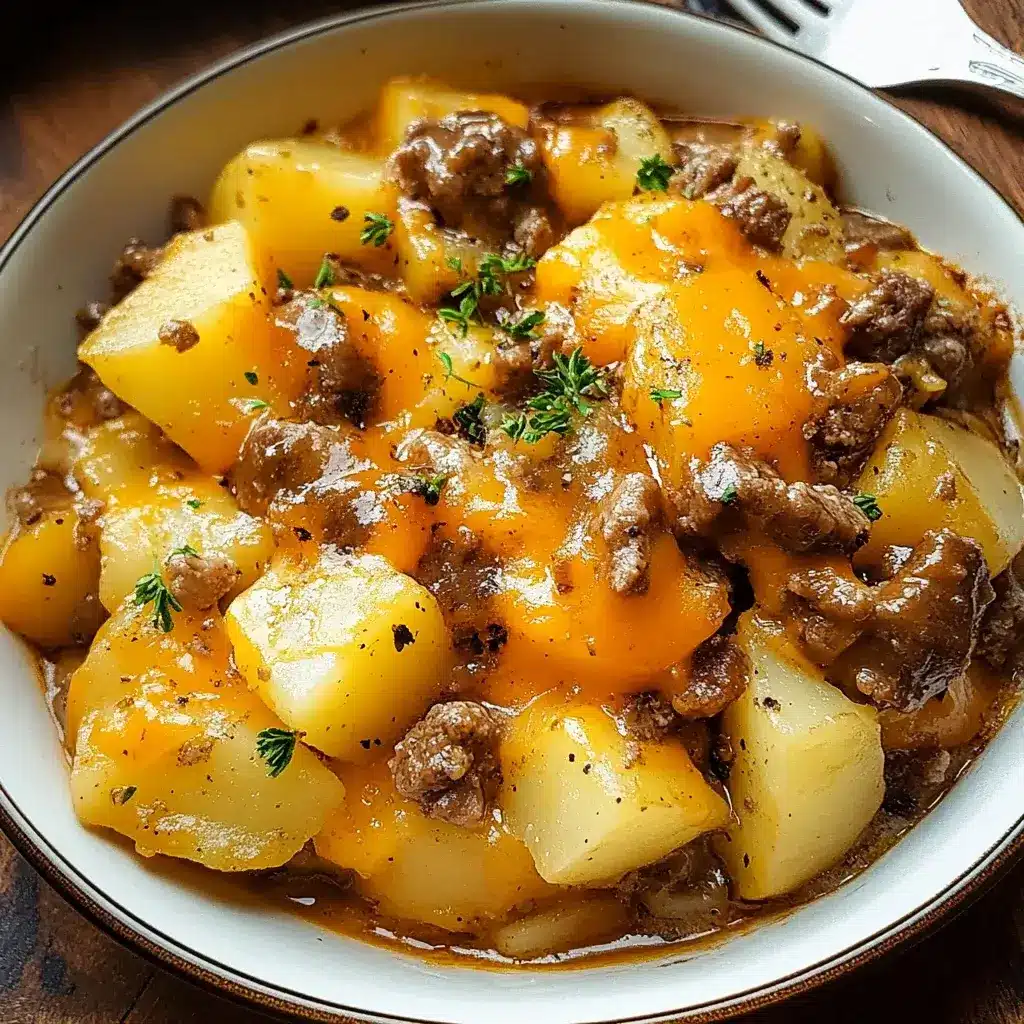
There’s something undeniably comforting about a warm, bubbling casserole, especially when the days get shorter and the evenings cooler. In my house, the Beef and Potato Casserole has become a steadfast champion of family dinners. It’s one of those recipes that just works. From the moment the rich aroma of browned beef and savory herbs starts to fill the kitchen, you know you’re in for a treat. Even my pickiest eater, who usually approaches new dishes with a healthy dose of skepticism, clears his plate every time I make this. The tender chunks of beef, the creamy potatoes, and the flavorful gravy all meld together in perfect harmony, creating a dish that’s both satisfying and utterly delicious. It’s the kind of meal that brings everyone to the table, eager to dig in, and leaves you feeling warm and content long after the last bite is gone. This isn’t just a recipe; it’s a memory maker, a family favorite, and a guaranteed crowd-pleaser for any occasion.
Ingredients
- Beef Chuck Roast: The star of the show! Choose a 2-3 pound chuck roast, as it’s perfect for slow cooking and becomes incredibly tender and flavorful as it braises. Look for a roast with good marbling for the best results.
- Potatoes: About 2 pounds of potatoes are ideal. Russet or Yukon Gold potatoes work wonderfully. Russets offer a fluffy texture, while Yukon Golds are slightly creamier and hold their shape well. They provide a hearty and comforting base to the casserole.
- Onions: Two medium yellow onions provide a foundational savory flavor. They soften and sweeten as they cook, adding depth and complexity to the casserole base.
- Carrots: Two large carrots, peeled and chopped, introduce a touch of sweetness and vibrant color. They also add a subtle earthy note that complements the beef and potatoes beautifully.
- Celery: Two stalks of celery, chopped, bring a subtle herbaceous and slightly peppery flavor. They add a layer of aromatic complexity and contribute to the overall savory profile.
- Beef Broth: 4 cups of rich beef broth form the liquid base of the casserole, creating a flavorful gravy as it simmers. Using low-sodium broth allows you to control the saltiness of the dish.
- Tomato Paste: 2 tablespoons of tomato paste add a concentrated umami richness and depth of flavor. It enhances the beefy notes and contributes to the gravy’s color and body.
- Worcestershire Sauce: 2 tablespoons of Worcestershire sauce offer a tangy, savory, and slightly sweet element. It deepens the flavor profile and adds a layer of complexity that complements the beef.
- Dried Thyme: 1 teaspoon of dried thyme brings a classic earthy and slightly minty aroma. It’s a traditional herb that pairs perfectly with beef and potatoes, adding a comforting warmth.
- Dried Rosemary: 1 teaspoon of dried rosemary introduces a piney and slightly lemony fragrance. It adds a distinctive herbal note that elevates the casserole’s flavor profile.
- Garlic Powder: 1 teaspoon of garlic powder provides a consistent and savory garlic flavor throughout the casserole. It’s a convenient way to ensure even garlic distribution.
- Onion Powder: 1 teaspoon of onion powder enhances the overall onion flavor and adds a subtle sweetness. It complements the fresh onions and deepens the savory base.
- Salt and Black Pepper: To taste, these essential seasonings enhance all the other flavors and balance the dish. Freshly ground black pepper offers a more robust and aromatic flavor.
- Olive Oil: 2 tablespoons of olive oil are used for browning the beef and sautéing the vegetables. It adds a subtle fruity note and helps prevent sticking.
- All-Purpose Flour: 2 tablespoons of all-purpose flour are used to thicken the gravy, creating a rich and luscious sauce that coats the beef and potatoes.
- Fresh Parsley (optional): Chopped fresh parsley, for garnish, adds a bright, fresh flavor and a pop of color when serving.
Instructions
- Prepare the Beef: Begin by patting the beef chuck roast dry with paper towels. This helps it brown beautifully. Cut the roast into 1-2 inch cubes. Season the beef generously with salt and freshly ground black pepper.
- Brown the Beef: Heat olive oil in a large Dutch oven or oven-safe pot over medium-high heat. Add the beef cubes in batches, ensuring not to overcrowd the pot. Overcrowding will steam the beef instead of searing it. Brown the beef on all sides until nicely browned and caramelized, about 2-3 minutes per side. Remove the browned beef from the pot and set aside.
- Sauté the Vegetables: Reduce the heat to medium. Add the chopped onions, carrots, and celery to the pot. Sauté the vegetables until they begin to soften and become fragrant, about 5-7 minutes, stirring occasionally. Scrape up any browned bits from the bottom of the pot – these are packed with flavor!
- Add Aromatics and Tomato Paste: Stir in the tomato paste, dried thyme, dried rosemary, garlic powder, and onion powder to the vegetables. Cook for another minute, stirring constantly, until the spices become fragrant and the tomato paste is slightly caramelized. This step intensifies the flavors of the spices and tomato paste.
- Deglaze the Pot: Pour in the beef broth, scraping up any remaining browned bits from the bottom of the pot. Add the Worcestershire sauce. Bring the mixture to a simmer.
- Return Beef and Add Potatoes: Return the browned beef to the pot. Add the cubed potatoes to the pot, ensuring they are mostly submerged in the liquid. Bring the mixture back to a simmer.
- Thicken the Gravy (Optional, for a thicker sauce): In a small bowl, whisk together the all-purpose flour with a few tablespoons of the hot broth from the pot until smooth, creating a slurry. Gradually whisk this slurry back into the simmering casserole. Cook for a few minutes, stirring occasionally, until the gravy thickens slightly. This step can be skipped if you prefer a thinner gravy.
- Bake the Casserole: Cover the Dutch oven or pot with a lid or tightly sealed foil. Transfer the casserole to a preheated oven at 325°F (160°C). Bake for 2.5 to 3 hours, or until the beef is fork-tender and the potatoes are cooked through. Check for tenderness after 2.5 hours; cooking time may vary depending on your oven and the size of the beef cubes.
- Rest and Serve: Once cooked, remove the casserole from the oven and let it rest for 10-15 minutes before serving. This allows the flavors to meld together and the casserole to cool slightly, making it easier to serve.
- Garnish (Optional): Garnish with freshly chopped parsley before serving, if desired, for a fresh and vibrant touch. Serve hot and enjoy your delicious and comforting Beef and Potato Casserole!
Nutrition Facts
Serving Size: Approximately 1 cup
Servings Per Recipe: 8-10 (depending on portion size)
(Please note: Nutritional values are approximate and can vary based on specific ingredients and portion sizes.)
- Calories: 350-450 kcal
- Protein: 25-35g
- Fat: 15-25g
Preparation Time
Prep Time: 30 minutes
Cook Time: 2.5 – 3 hours
Total Time: 3 – 3.5 hours
This Beef and Potato Casserole requires a bit of time, but most of it is hands-off baking time. The initial prep work involves chopping vegetables and browning the beef, which takes about 30 minutes. The long, slow baking process is what makes the beef incredibly tender and allows the flavors to develop deeply, resulting in a truly exceptional and comforting meal. It’s perfect for a weekend dinner or a day when you have time to let it simmer and bake to perfection.
How to Serve
This hearty Beef and Potato Casserole is a complete meal on its own, but you can enhance your dining experience with some complementary side dishes and serving suggestions:
- Classic Side Salad: A simple green salad with a light vinaigrette provides a refreshing contrast to the richness of the casserole. The acidity of the dressing cuts through the savory flavors and cleanses the palate.
- Crusty Bread: Serve with warm, crusty bread or rolls for soaking up the delicious gravy. Sourdough, baguette, or even soft dinner rolls are excellent choices.
- Steamed Green Vegetables: Steamed green beans, broccoli, or asparagus add a healthy and vibrant element to the meal. Their slight bitterness and fresh texture balance the richness of the casserole.
- Mashed Cauliflower: For a lighter and lower-carb alternative to mashed potatoes, consider serving mashed cauliflower alongside the casserole. It provides a creamy and satisfying side without being overly heavy.
- Cornbread: A slice of warm, buttery cornbread is a classic Southern pairing that complements the hearty flavors of the casserole beautifully. The slightly sweet and crumbly texture is a delightful contrast.
- Topped with Fresh Herbs: Garnish each serving with a sprinkle of fresh herbs like parsley, chives, or thyme for a burst of freshness and visual appeal.
- Dollop of Sour Cream or Greek Yogurt: A dollop of sour cream or Greek yogurt adds a cool and tangy creaminess that complements the warm and savory flavors of the casserole.
- Pickled Vegetables: Serve with a side of pickled vegetables like cornichons, pickled onions, or sauerkraut for a tangy and acidic counterpoint to the richness of the casserole.
Additional Tips for the Best Beef and Potato Casserole
- Choose the Right Beef Cut: Chuck roast is the best choice for this casserole because it has good marbling and becomes incredibly tender when braised. Avoid leaner cuts like sirloin or round roast, as they can become dry and tough during long cooking.
- Don’t Skip the Browning: Browning the beef is crucial for developing deep, rich flavor. It creates a caramelized crust that adds complexity to the gravy. Take your time and brown the beef in batches to ensure proper searing.
- Sauté Vegetables Properly: Sautéing the onions, carrots, and celery before adding the liquid helps to soften them and release their flavors. Don’t rush this step; allow them to become fragrant and slightly softened.
- Deglaze the Pot Thoroughly: Deglazing the pot with beef broth after browning the beef and sautéing the vegetables is essential for capturing all the flavorful browned bits stuck to the bottom. These bits add depth and richness to the gravy.
- Season Generously: Don’t be shy with salt and pepper. Seasoning the beef and vegetables at each step is crucial for building layers of flavor. Taste and adjust seasoning as needed throughout the cooking process.
- Low and Slow Baking is Key: Baking the casserole at a low temperature for a long time is what makes the beef incredibly tender and allows the flavors to meld together beautifully. Resist the urge to rush the cooking process.
- Use Quality Beef Broth: Using a good quality beef broth is essential for a flavorful gravy. Homemade broth is ideal, but a good quality store-bought low-sodium beef broth will also work well.
- Customize with Vegetables: Feel free to add other vegetables to your casserole, such as mushrooms, peas, or parsnips. Just be mindful of cooking times and add vegetables that require longer cooking times earlier in the process. You can also add frozen peas towards the end of cooking for a touch of sweetness and color.
FAQ Section
Q1: Can I make this casserole ahead of time?
A: Absolutely! Beef and Potato Casserole is a fantastic make-ahead dish. You can assemble the casserole up to 24 hours in advance and store it, covered, in the refrigerator. When ready to bake, add about 30-45 minutes to the baking time to ensure it’s heated through properly. You can also fully bake the casserole ahead of time and reheat it gently in the oven or microwave.
Q2: Can I freeze Beef and Potato Casserole?
A: Yes, this casserole freezes beautifully! Allow the cooked casserole to cool completely. Then, transfer it to a freezer-safe container or divide it into individual portions. Freeze for up to 3 months. To reheat, thaw overnight in the refrigerator and then bake in a preheated oven at 350°F (175°C) until heated through, or reheat individual portions in the microwave.
Q3: Can I use a different type of potato?
A: Yes, you can use different types of potatoes. Yukon Gold potatoes are a great alternative to Russets, offering a creamier texture. Red potatoes will also work, but they are waxier and will hold their shape more. Avoid waxy potatoes like fingerling or new potatoes, as they may not become as tender in the casserole.
Q4: Can I make this casserole in a slow cooker?
A: Yes, you can adapt this recipe for a slow cooker. Brown the beef and sauté the vegetables as instructed in a skillet. Then, transfer everything to your slow cooker. Cook on low for 6-8 hours or on high for 3-4 hours, or until the beef is tender. You may need to thicken the gravy with a cornstarch slurry (1 tablespoon cornstarch mixed with 2 tablespoons cold water) towards the end of cooking if it’s too thin.
Q5: Can I add cheese to this casserole?
A: While not traditional, you can definitely add cheese to your Beef and Potato Casserole if you like! Shredded cheddar, Monterey Jack, or a blend of cheeses would be delicious sprinkled over the top of the casserole during the last 15-20 minutes of baking.
Q6: Can I make this recipe gluten-free?
A: To make this casserole gluten-free, ensure your beef broth and Worcestershire sauce are certified gluten-free. Omit the flour slurry for thickening the gravy, or use a gluten-free flour blend or cornstarch slurry instead.
Q7: What if I don’t have dried thyme or rosemary? Can I substitute other herbs?
A: Yes, you can substitute other herbs. Dried oregano, marjoram, or bay leaf would be good alternatives. You can also use fresh herbs; use about 1 tablespoon of fresh thyme or rosemary for every teaspoon of dried. Add fresh herbs towards the end of cooking to preserve their flavor.
Q8: My gravy is too thin, how can I thicken it?
A: If your gravy is too thin after baking, you can thicken it by making a cornstarch slurry (1 tablespoon cornstarch mixed with 2 tablespoons cold water). Whisk the slurry into the hot casserole and simmer on the stovetop over medium heat, stirring constantly, until the gravy thickens to your desired consistency. You can also use a flour slurry as described in the instructions.
Print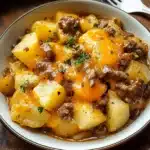
Beef and Potato Casserole
Ingredients
- Beef Chuck Roast: The star of the show! Choose a 2-3 pound chuck roast, as it’s perfect for slow cooking and becomes incredibly tender and flavorful as it braises. Look for a roast with good marbling for the best results.
- Potatoes: About 2 pounds of potatoes are ideal. Russet or Yukon Gold potatoes work wonderfully. Russets offer a fluffy texture, while Yukon Golds are slightly creamier and hold their shape well. They provide a hearty and comforting base to the casserole.
- Onions: Two medium yellow onions provide a foundational savory flavor. They soften and sweeten as they cook, adding depth and complexity to the casserole base.
- Carrots: Two large carrots, peeled and chopped, introduce a touch of sweetness and vibrant color. They also add a subtle earthy note that complements the beef and potatoes beautifully.
- Celery: Two stalks of celery, chopped, bring a subtle herbaceous and slightly peppery flavor. They add a layer of aromatic complexity and contribute to the overall savory profile.
- Beef Broth: 4 cups of rich beef broth form the liquid base of the casserole, creating a flavorful gravy as it simmers. Using low-sodium broth allows you to control the saltiness of the dish.
- Tomato Paste: 2 tablespoons of tomato paste add a concentrated umami richness and depth of flavor. It enhances the beefy notes and contributes to the gravy’s color and body.
- Worcestershire Sauce: 2 tablespoons of Worcestershire sauce offer a tangy, savory, and slightly sweet element. It deepens the flavor profile and adds a layer of complexity that complements the beef.
- Dried Thyme: 1 teaspoon of dried thyme brings a classic earthy and slightly minty aroma. It’s a traditional herb that pairs perfectly with beef and potatoes, adding a comforting warmth.
- Dried Rosemary: 1 teaspoon of dried rosemary introduces a piney and slightly lemony fragrance. It adds a distinctive herbal note that elevates the casserole’s flavor profile.
- Garlic Powder: 1 teaspoon of garlic powder provides a consistent and savory garlic flavor throughout the casserole. It’s a convenient way to ensure even garlic distribution.
- Onion Powder: 1 teaspoon of onion powder enhances the overall onion flavor and adds a subtle sweetness. It complements the fresh onions and deepens the savory base.
- Salt and Black Pepper: To taste, these essential seasonings enhance all the other flavors and balance the dish. Freshly ground black pepper offers a more robust and aromatic flavor.
- Olive Oil: 2 tablespoons of olive oil are used for browning the beef and sautéing the vegetables. It adds a subtle fruity note and helps prevent sticking.
- All-Purpose Flour: 2 tablespoons of all-purpose flour are used to thicken the gravy, creating a rich and luscious sauce that coats the beef and potatoes.
- Fresh Parsley (optional): Chopped fresh parsley, for garnish, adds a bright, fresh flavor and a pop of color when serving.
Instructions
- Prepare the Beef: Begin by patting the beef chuck roast dry with paper towels. This helps it brown beautifully. Cut the roast into 1-2 inch cubes. Season the beef generously with salt and freshly ground black pepper.
- Brown the Beef: Heat olive oil in a large Dutch oven or oven-safe pot over medium-high heat. Add the beef cubes in batches, ensuring not to overcrowd the pot. Overcrowding will steam the beef instead of searing it. Brown the beef on all sides until nicely browned and caramelized, about 2-3 minutes per side. Remove the browned beef from the pot and set aside.
- Sauté the Vegetables: Reduce the heat to medium. Add the chopped onions, carrots, and celery to the pot. Sauté the vegetables until they begin to soften and become fragrant, about 5-7 minutes, stirring occasionally. Scrape up any browned bits from the bottom of the pot – these are packed with flavor!
- Add Aromatics and Tomato Paste: Stir in the tomato paste, dried thyme, dried rosemary, garlic powder, and onion powder to the vegetables. Cook for another minute, stirring constantly, until the spices become fragrant and the tomato paste is slightly caramelized. This step intensifies the flavors of the spices and tomato paste.
- Deglaze the Pot: Pour in the beef broth, scraping up any remaining browned bits from the bottom of the pot. Add the Worcestershire sauce. Bring the mixture to a simmer.
- Return Beef and Add Potatoes: Return the browned beef to the pot. Add the cubed potatoes to the pot, ensuring they are mostly submerged in the liquid. Bring the mixture back to a simmer.
- Thicken the Gravy (Optional, for a thicker sauce): In a small bowl, whisk together the all-purpose flour with a few tablespoons of the hot broth from the pot until smooth, creating a slurry. Gradually whisk this slurry back into the simmering casserole. Cook for a few minutes, stirring occasionally, until the gravy thickens slightly. This step can be skipped if you prefer a thinner gravy.
- Bake the Casserole: Cover the Dutch oven or pot with a lid or tightly sealed foil. Transfer the casserole to a preheated oven at 325°F (160°C). Bake for 2.5 to 3 hours, or until the beef is fork-tender and the potatoes are cooked through. Check for tenderness after 2.5 hours; cooking time may vary depending on your oven and the size of the beef cubes.
- Rest and Serve: Once cooked, remove the casserole from the oven and let it rest for 10-15 minutes before serving. This allows the flavors to meld together and the casserole to cool slightly, making it easier to serve.
- Garnish (Optional): Garnish with freshly chopped parsley before serving, if desired, for a fresh and vibrant touch. Serve hot and enjoy your delicious and comforting Beef and Potato Casserole!
Nutrition
- Serving Size: one normal portion
- Calories: 450
- Fat: 25g
- Protein: 35g