
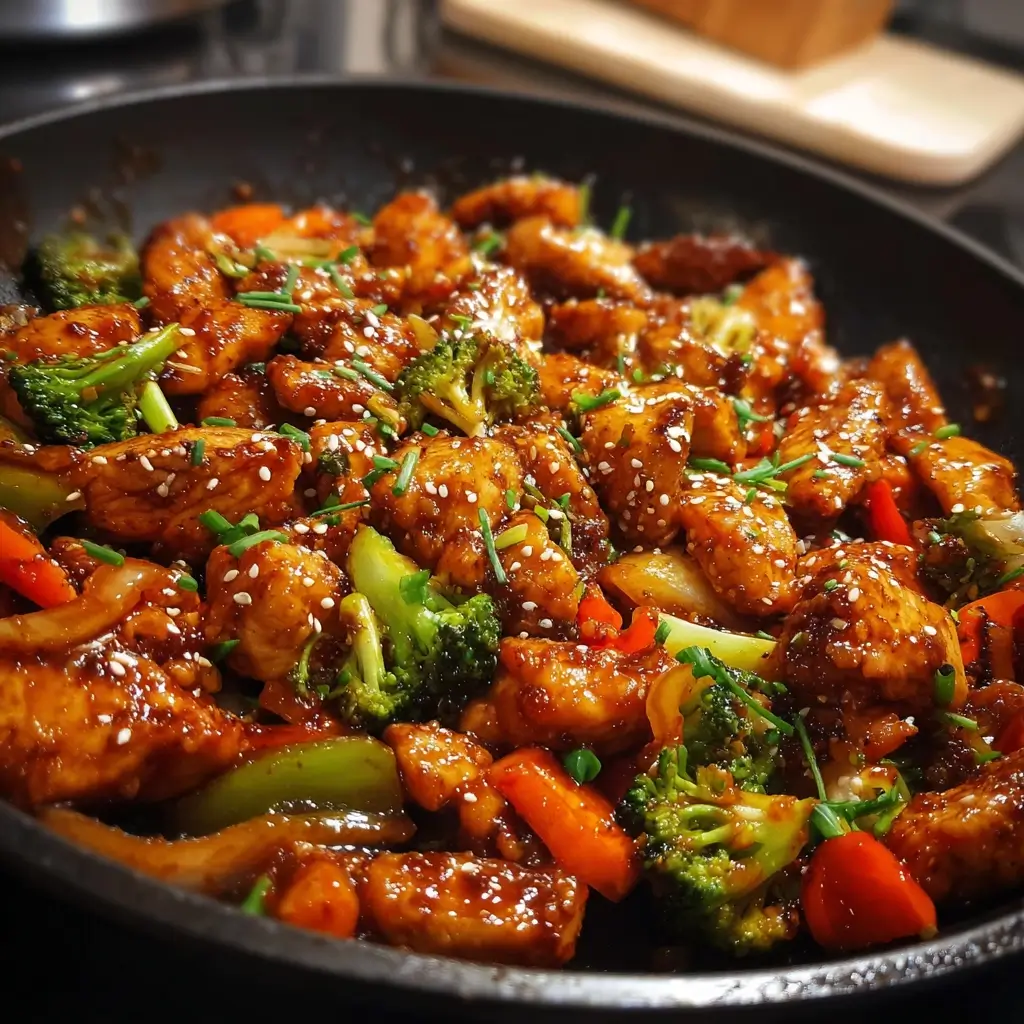
Of all the recipes that have become a permanent fixture in my weekly dinner rotation, this Quick Spicy Chicken Stir Fry holds a special place. It was born out of necessity on a chaotic weeknight when I had a hungry family, a ticking clock, and a random assortment of vegetables in the crisper. I remember thinking, “Let’s just throw something together,” with very low expectations. But what came out of the wok that night was nothing short of a revelation. The chicken was incredibly tender, the vegetables were crisp and vibrant, and the sauce… oh, that sauce! It was the perfect symphony of savory, sweet, and spicy that had everyone, even my pickiest eater, asking for seconds. It has since become our go-to “we need something delicious and fast” meal, a guaranteed win that turns a stressful evening into a moment of pure culinary satisfaction. It’s more than just a recipe; it’s a delicious, reliable solution that I’m thrilled to share with you.
Ingredients
Here is everything you will need to create this flavor-packed stir fry. The ingredients are broken down by their role in the dish: the protein, the vibrant vegetables, and the all-important signature sauce.
For the Chicken Marinade:
- 1.5 lbs (about 680g) boneless, skinless chicken breasts: Cut into 1-inch cubes. This is the lean, protein-packed star of our dish.
- 1 tablespoon soy sauce: To begin building the savory, umami foundation right in the chicken.
- 1 teaspoon cornstarch: The secret to a velvety texture that locks in moisture, ensuring tender, juicy chicken.
- 1/2 teaspoon black pepper: For a mild, earthy spice.
For the Spicy Stir Fry Sauce:
- 1/2 cup low-sodium chicken broth: Forms the base of our sauce, adding depth without excessive salt.
- 1/3 cup low-sodium soy sauce (or tamari for gluten-free): The primary source of savory, umami flavor.
- 2 tablespoons honey (or maple syrup): Provides a touch of sweetness to balance the heat and saltiness.
- 2 tablespoons Sriracha (or more, to taste): This is where the magic happens! Adjust the amount to achieve your perfect level of spicy kick.
- 1 tablespoon rice vinegar: Adds a bright, acidic note that cuts through the richness and brightens all the other flavors.
- 1 tablespoon toasted sesame oil: Lends a deep, nutty, aromatic finish that is characteristic of many Asian cuisines.
- 3 cloves garlic, minced: A foundational aromatic that provides a pungent, savory bite.
- 1 tablespoon fresh ginger, grated: Adds a warm, zesty, and slightly peppery flavor that pairs beautifully with garlic.
- 1 tablespoon cornstarch: This will be mixed with a little water to create a slurry that thickens the sauce to a perfect, glossy consistency that coats every ingredient.
For the Stir Fry:
- 2 tablespoons high-smoke-point oil (like avocado, canola, or peanut oil): Essential for high-heat cooking without burning.
- 1 large red bell pepper, sliced: Adds sweetness, a vibrant color, and a satisfying crunch.
- 1 large yellow or orange bell pepper, sliced: Complements the red pepper with its own mild sweetness and bright hue.
- 1 head of broccoli, cut into bite-sized florets: A nutritional powerhouse that soaks up the sauce beautifully while remaining tender-crisp.
- 1/2 cup shredded carrots: For a touch of sweetness, color, and texture.
- 4 green onions, chopped (whites and greens separated): The white parts are used as an aromatic during cooking, while the green parts are a fresh, mild garnish.
For Garnish (Optional):
- 1 tablespoon sesame seeds
- Fresh cilantro leaves
Instructions
Follow these steps carefully for a perfect stir fry every time. The key is preparation and speed. Have all your ingredients chopped and ready to go before you even turn on the stove. This is a process known as mise en place, and it is crucial for a successful stir fry.
Step 1: Marinate the Chicken
In a medium-sized bowl, combine the 1-inch chicken cubes with 1 tablespoon of soy sauce, 1 teaspoon of cornstarch, and 1/2 teaspoon of black pepper. Toss everything together until the chicken is evenly coated. The cornstarch will create a light coating that helps keep the chicken incredibly moist and tender during the high-heat cooking process. Set the bowl aside and let the chicken marinate for at least 15 minutes while you prepare the other components.
Step 2: Prepare the Spicy Stir Fry Sauce
In a separate small bowl or a liquid measuring cup, whisk together all the sauce ingredients: the low-sodium chicken broth, low-sodium soy sauce, honey, Sriracha, rice vinegar, toasted sesame oil, minced garlic, and grated ginger. In another tiny bowl, mix the 1 tablespoon of cornstarch with 2 tablespoons of cold water to create a smooth slurry. Set both the sauce mixture and the cornstarch slurry aside near your cooking station.
Step 3: Prepare the Vegetables
Ensure all your vegetables are washed, chopped, and ready to go. This recipe moves quickly, so you won’t have time to chop once you start cooking. Keep them in separate piles or bowls for easy access. Remember to separate the white and green parts of the green onions.
Step 4: Cook the Chicken
Place a large wok or a heavy-bottomed skillet over high heat. Let it get screaming hot. You’ll know it’s ready when a drop of water sizzles and evaporates almost instantly. Add 1 tablespoon of the high-smoke-point oil and swirl to coat the surface. Carefully add the marinated chicken to the pan in a single layer, being careful not to overcrowd it. If necessary, cook the chicken in two batches. Let it cook for 2-3 minutes without moving it to get a beautiful golden-brown sear. Then, continue to stir-fry for another 3-4 minutes, or until the chicken is cooked through and no longer pink inside. Remove the cooked chicken from the wok and set it aside on a clean plate.
Step 5: Stir-Fry the Vegetables
Wipe the wok clean if there are any burnt bits. Return it to high heat and add the remaining 1 tablespoon of oil. Add the broccoli florets and sliced bell peppers to the hot wok. Stir-fry for 3-4 minutes. You want them to become tender but still retain a slight crunch. Add the shredded carrots and the white parts of the green onions and cook for another minute until fragrant.
Step 6: Combine and Sauce
Return the cooked chicken to the wok with the vegetables. Give the sauce mixture a quick re-whisk (as the ginger and garlic may have settled) and pour it all over the chicken and vegetables. Bring the mixture to a vigorous simmer, tossing everything to coat.
Step 7: Thicken the Sauce
Give your cornstarch slurry another quick stir to ensure it’s smooth. While the stir fry is simmering, slowly pour the slurry into the wok, stirring constantly. You will see the sauce begin to thicken and turn glossy almost immediately. Continue to cook for about 30-60 seconds, until the sauce has reached your desired consistency and beautifully coats every piece of chicken and vegetable.
Step 8: Final Touches and Serving
Remove the wok from the heat. Stir in the green parts of the chopped green onions. Your Quick Spicy Chicken Stir Fry is now ready to be served immediately. Garnish with sesame seeds and fresh cilantro if desired.
Nutrition Facts
This recipe is designed to be a balanced and satisfying meal. The nutritional information is an estimate and can vary based on specific ingredients and portion sizes.
- Servings: 4-6 servings
- Calories per serving (approximate): 380-450 kcal
- Protein (approx. 35g): The chicken provides a substantial amount of high-quality protein, which is essential for muscle repair, immune function, and keeping you feeling full and satisfied.
- Carbohydrates (approx. 25g): Primarily from the vegetables and the touch of honey in the sauce. The vegetables also contribute significant fiber, which aids in digestion and overall gut health.
- Fat (approx. 15g): A mix of healthy fats from the cooking oil (especially if using avocado oil) and the toasted sesame oil, providing flavor and helping your body absorb fat-soluble vitamins.
- Sodium (approx. 700mg): Using low-sodium soy sauce and chicken broth is key to managing the sodium content. This value can be significantly higher if regular versions are used.
- Fiber (approx. 5g): The broccoli, bell peppers, and carrots are excellent sources of dietary fiber, which is crucial for digestive health and maintaining stable blood sugar levels.
Preparation Time
This recipe lives up to its “quick” name, making it perfect for busy schedules. The total time can be broken down as follows:
- Prep Time: 15-20 minutes. This includes cubing the chicken, chopping all the vegetables, mincing the garlic, grating the ginger, and whisking together the sauce. Efficient multitasking is key! You can marinate the chicken while you chop the veggies.
- Cook Time: 10-12 minutes. Stir-frying is a high-heat, fast-cooking method. From the moment the chicken hits the pan to the final toss in the sauce, the actual cooking process is incredibly swift.
- Total Time: Approximately 30 minutes. This makes it an ideal 30-minute meal that delivers incredible flavor without spending hours in the kitchen.
How to Serve
A great stir fry can be the centerpiece of a meal, and how you serve it can elevate the entire experience. Here are some classic and creative ways to serve your Quick Spicy Chicken Stir Fry:
- Classic Grain Pairings:
- Steamed Jasmine Rice: The fragrant, slightly sticky texture of jasmine rice is the perfect vessel for soaking up every last drop of the delicious spicy sauce.
- Brown Rice: For a healthier, whole-grain option, serve it with nutty brown rice. It offers more fiber and a chewier texture.
- Quinoa: A protein-packed, gluten-free seed that works wonderfully with the flavors of the stir fry, adding a fluffy, slightly earthy base.
- Low-Carbohydrate and Grain-Free Options:
- Cauliflower Rice: A fantastic low-carb alternative. You can buy it pre-riced or make your own by pulsing cauliflower florets in a food processor. Sauté it with a little garlic for extra flavor.
- Zucchini Noodles (Zoodles): Use a spiralizer to create light and healthy noodles from zucchini. A quick sauté is all they need before being topped with the stir fry.
- On a Bed of Greens: Serve the hot stir fry over a bed of fresh spinach or mixed greens. The heat will slightly wilt the greens, creating a delicious warm salad.
- Noodle Lovers’ Paradise:
- Udon Noodles: Thick, chewy Japanese wheat noodles are a fantastic choice. Cook them according to package directions and toss them directly into the stir fry at the end.
- Ramen Noodles: Discard the seasoning packet from a package of instant ramen, cook the noodles, drain, and serve the stir fry on top for a comforting and satisfying meal.
- Rice Noodles: For a gluten-free noodle option, thin rice vermicelli or wider pad thai style noodles are excellent choices.
- Don’t Forget the Garnishes:
- A final sprinkle of toasted sesame seeds adds a nutty crunch.
- A handful of fresh, chopped cilantro or sliced green onions adds a burst of freshness.
- A wedge of lime on the side allows individuals to add an extra squeeze of bright, citrusy acidity.
- A small dish of extra Sriracha or red pepper flakes for those who like it extra hot.
Additional Tips
Master the art of the stir fry with these eight essential tips that will take your dish from good to restaurant-quality.
- Mise en Place is Non-Negotiable: This French term means “everything in its place.” For a fast-cooking recipe like this, it’s the single most important tip. Have your chicken marinated, your sauce mixed, and every single vegetable chopped and ready before you turn on the heat. The cooking process is too fast to stop and chop a bell pepper.
- Get Your Pan Seriously Hot: A blistering hot wok or skillet is the key to a great stir fry. High heat sears the ingredients quickly, locking in their juices and flavor while giving them a characteristic wok hei (breath of the wok) smoky flavor. Don’t be afraid to let your pan heat up for a few minutes before adding the oil.
- Don’t Crowd the Pan: This is the most common mistake that leads to a soggy, steamed stir fry instead of a crisp, seared one. When you add too much food to the pan at once, the temperature drops dramatically. The ingredients release water and end up steaming in their own juices. Cook in batches (especially the chicken) to ensure everything stays hot and gets a proper sear.
- Try “Velveting” the Chicken: For the most tender chicken imaginable, use the velveting technique. After tossing the chicken in soy sauce and cornstarch as directed in the recipe, add one egg white and a teaspoon of oil. Mix well. This creates a protective coating that keeps the chicken incredibly succulent, a technique used in many Chinese restaurants.
- Control the Spice, Master the Flavor: The Sriracha is listed as “to taste” for a reason. Start with the recommended amount, but feel free to adjust. For more heat, add more Sriracha or a pinch of red pepper flakes. For a smokier heat, try a dash of chili garlic sauce. For less heat, reduce the Sriracha and perhaps add a bit more honey to balance the flavors.
- Fresh is Best, But Frozen is Fine: While fresh, crisp vegetables will give you the best texture, don’t hesitate to use a bag of frozen stir-fry vegetables in a pinch. The key is not to thaw them first. Add them directly to the hot wok from frozen. This helps them retain more of their texture and prevents them from becoming mushy.
- Make the Sauce Ahead of Time: To save even more time on a busy night, you can whisk together the stir fry sauce (everything except the cornstarch slurry) up to 3-4 days in advance. Store it in an airtight jar in the refrigerator. This turns a 30-minute meal into a 20-minute meal.
- Storing and Reheating for Success: Store leftovers in an airtight container in the refrigerator for up to 3 days. The best way to reheat a stir fry is in a hot skillet or wok over medium-high heat for a few minutes until warmed through. This helps to revive the texture of the vegetables. Microwaving works, but it can sometimes make the vegetables a bit softer.
FAQ Section
Here are answers to some of the most frequently asked questions about making this Quick Spicy Chicken Stir Fry.
1. Can I use chicken thighs instead of chicken breasts?
Absolutely! Chicken thighs are a fantastic choice for stir-frying. They have a higher fat content, which makes them more flavorful and forgiving—they are much harder to overcook and dry out. Simply cut them into bite-sized pieces and follow the recipe exactly as written.
2. My stir fry came out watery. What did I do wrong?
A watery sauce is a common issue with a few potential causes. First, you may have crowded the pan, which steams the vegetables instead of searing them, causing them to release excess water. Second, make sure your pan is extremely hot before adding ingredients. Third, ensure you brought the sauce to a full simmer before adding the cornstarch slurry, as the starch needs heat to activate and thicken properly. Finally, some vegetables (like mushrooms or zucchini, if you added them) contain a lot of water.
3. What are some other good vegetable substitutions?
This recipe is incredibly versatile! Feel free to use whatever you have on hand. Some excellent additions or substitutions include:
- Snap peas or snow peas for a sweet crunch.
- Sliced mushrooms (shiitake or cremini).
- Water chestnuts for a unique, crisp texture.
- Baby corn.
- Sliced zucchini or yellow squash.
- Edamame.
Just be mindful of cooking times; add harder vegetables like carrots first and quicker-cooking ones like snow peas towards the end.
4. How can I make this recipe gluten-free?
Making this stir fry gluten-free is very simple. The only ingredient containing gluten is the soy sauce. To adapt the recipe, simply substitute the regular soy sauce with an equal amount of tamari or gluten-free soy sauce. All other ingredients in the recipe are naturally gluten-free.
5. How can I make this recipe less spicy for kids or those sensitive to heat?
To make a family-friendly version, you can either reduce the Sriracha to a very small amount (like 1 teaspoon) or omit it from the sauce entirely. A great strategy is to make the full sauce on the side. Then, you can serve the kids’ portions and allow adults to drizzle the spicy sauce over their own plates to their liking.
6. What is the best kind of oil for stir-frying?
You need an oil with a high smoke point, meaning it can withstand high temperatures without burning and smoking. Excellent choices include avocado oil, peanut oil, canola oil, grapeseed oil, or sunflower oil. You should avoid oils with low smoke points like extra virgin olive oil, which will burn and impart a bitter taste at the high heat required for stir-frying.
7. Can I make this dish ahead of time or freeze it?
While a stir fry is best enjoyed fresh to preserve the crisp texture of the vegetables, you can certainly freeze it. Allow the stir fry to cool completely, then store it in a freezer-safe, airtight container or bag for up to 3 months. To reheat, let it thaw in the refrigerator overnight and then reheat in a hot wok or skillet. Be aware that the vegetables will be softer after freezing and thawing.
8. What makes a stir fry sauce thick and glossy?
The secret ingredient for a thick, glossy sauce is cornstarch. When mixed with cold water to form a slurry and then added to a simmering liquid, the starch granules swell and activate, thickening the sauce. This process, called gelatinization, is what transforms a thin, watery liquid into the rich, velvety sauce that clings perfectly to every ingredient in your stir fry.