Ingredients
Scale
Here’s what you’ll need to create this delightful and healthy pairing:
For the Whole Grain Crackers:
- 1 ½ cups (180g) Whole Wheat Flour: Provides a nutty flavor and robust structure, packed with fiber. Stone-ground is excellent if available.
- ¼ cup (35g) Flax Seeds (whole or ground): Adds Omega-3 fatty acids, fiber, and a pleasant texture. Ground flax will integrate more smoothly.
- ¼ cup (30g) Sunflower Seeds (raw, unsalted): Offer a nice bite, healthy fats, and essential nutrients. Pumpkin seeds or sesame seeds work well too.
- 1 tablespoon Chia Seeds: Tiny powerhouses of fiber, protein, and omega-3s; they also help bind the dough.
- 1 teaspoon Sea Salt (fine): Enhances all the flavors; adjust slightly based on your preference.
- ½ teaspoon Baking Powder: Gives the crackers a subtle lift, making them crisp rather than dense.
- ¼ cup (60ml) Olive Oil (Extra Virgin recommended): Adds richness, flavor, and helps create a tender-crisp texture.
- ½ cup (120ml) Water (approximately): Used to bring the dough together; you might need slightly more or less depending on your flour and humidity.
- (Optional Flavorings): 1 tsp dried rosemary, ½ tsp garlic powder, or ½ tsp paprika for added zest.
For the Classic Hummus:
- 1 can (15-ounce / 425g) Chickpeas (Garbanzo Beans): The star of the hummus, providing protein and creaminess. Reserve the liquid (aquafaba) from the can.
- ¼ cup (60ml) Reserved Chickpea Liquid (Aquafaba) or Ice Water: Helps achieve a super smooth and fluffy texture. Ice water works particularly well.
- ¼ cup (60g) Tahini (Sesame Seed Paste): Essential for authentic hummus flavor; choose a good quality, runny tahini. Stir well before measuring if separated.
- ¼ cup (60ml) Fresh Lemon Juice: Adds brightness and tang; crucial for balancing the richness of the tahini. Start with ¼ cup and add more to taste if desired.
- 1–2 cloves Garlic (minced): Provides a pungent kick. Adjust the amount based on your love for garlic. Roasting the garlic beforehand mellows the flavor beautifully.
- 2 tablespoons Extra Virgin Olive Oil: Adds richness and smoothness. Plus more for drizzling on top when serving.
- ½ teaspoon Ground Cumin: Offers a warm, earthy flavor characteristic of classic hummus.
- ½ teaspoon Sea Salt (or to taste): Brings all the flavors together.
- (Optional Garnishes): Paprika, sumac, chopped fresh parsley, toasted pine nuts, a drizzle of olive oil.
Instructions
Follow these steps carefully for perfectly crisp crackers and creamy hummus:
Making the Whole Grain Crackers:
- Preheat & Prep: Preheat your oven to 375°F (190°C). Line two large baking sheets with parchment paper. This prevents sticking and makes cleanup easier.
- Combine Dry Ingredients: In a large bowl, whisk together the whole wheat flour, flax seeds, sunflower seeds, chia seeds, salt, baking powder, and any optional dried herbs or spices you’re using. Ensure everything is evenly distributed.
- Add Wet Ingredients: Create a well in the center of the dry ingredients. Pour in the olive oil and about half of the water.
- Mix Dough: Using a fork or your hands, gradually mix the wet ingredients into the dry, adding more water little by little, until a cohesive dough forms. Be careful not to add too much water at once; the dough should be firm but pliable, not sticky.
- Knead Lightly: Turn the dough out onto a lightly floured surface. Knead gently for just a minute or two until it comes together smoothly. Don’t over-knead, as this can make the crackers tough.
- Divide and Roll: Divide the dough in half. Working with one half at a time (keep the other covered to prevent drying), place the dough between two sheets of parchment paper. Using a rolling pin, roll the dough out as thinly as possible – aim for about 1/16th inch (1-2 mm) thick. The thinner you roll, the crispier the crackers will be. Peel off the top layer of parchment paper.
- Score the Dough: Using a pizza cutter or a sharp knife, score the rolled-out dough into cracker shapes (squares, rectangles, diamonds – your choice!). You don’t need to cut all the way through, just deep enough to make them easy to break apart after baking. If desired, prick each cracker with a fork a couple of times to prevent puffing.
- Transfer and Bake: Carefully slide the parchment paper with the scored dough onto one of the prepared baking sheets. Repeat the rolling and scoring process with the second half of the dough and place it on the other baking sheet.
- Bake: Bake in the preheated oven for 12-18 minutes. Baking time will vary significantly depending on thickness. Keep a close eye on them after the 10-minute mark. They should be golden brown around the edges and feel firm. You might need to rotate the pans halfway through for even baking. If some crackers brown faster (usually the ones near the edges), you can remove them and let the others continue baking.
- Cool Completely: Once baked, slide the parchment paper off the baking sheets onto wire racks. Let the crackers cool completely on the racks. They will crisp up further as they cool. Once cool, gently break them apart along the score lines.
Whipping Up the Perfect Hummus:
- Prepare Chickpeas: Drain the canned chickpeas, making sure to reserve the liquid (aquafaba) in a separate bowl or cup. For extra smooth hummus (optional but recommended), take a few extra minutes to peel the skins off the chickpeas. Pinch each chickpea gently, and the skin should slip off easily. Rinse the peeled chickpeas under cold water.
- Initial Blend: In the bowl of a food processor, combine the tahini and fresh lemon juice. Process for 1 minute, scraping down the sides of the bowl. It might look clumpy or seized – this is normal. This step, called “whipping” the tahini, helps make the final hummus lighter and creamier.
- Add Garlic & Salt: Add the minced garlic and salt to the whipped tahini mixture. Process for another 30-60 seconds until well combined and fragrant.
- Blend Chickpeas: Add half of the prepared chickpeas to the food processor and process for about 1 minute. Scrape down the sides, then add the remaining chickpeas and process until very thick and relatively smooth, about 1-2 minutes more.
- Achieve Smoothness: While the food processor is running, slowly drizzle in 2 tablespoons of the reserved aquafaba or ice water. Continue processing, adding more liquid (1 tablespoon at a time) as needed, until the hummus reaches your desired level of creaminess. Using ice water often results in a fluffier texture. Then, drizzle in the 2 tablespoons of olive oil and the ground cumin.
- Final Blend: Continue processing for another 2-4 minutes. This extended blending time is key to achieving exceptionally smooth hummus. Stop occasionally to scrape down the sides of the bowl.
- Taste and Adjust: Taste the hummus. Add more salt, lemon juice, or cumin if needed to suit your preference. If it’s too thick, blend in a tiny bit more aquafaba or ice water.
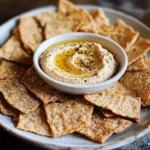
- Serve or Chill: Transfer the hummus to a serving bowl. If serving immediately, create a swirl on top with the back of a spoon and drizzle generously with extra virgin olive oil. Garnish with a sprinkle of paprika, sumac, or fresh parsley if desired. If not serving right away, cover tightly (pressing plastic wrap directly onto the surface helps prevent a skin from forming) and refrigerate. Hummus thickens slightly when chilled; you can stir in a teaspoon of water or lemon juice before serving if needed.
Nutrition
- Serving Size: one normal portion
- Calories: 250