

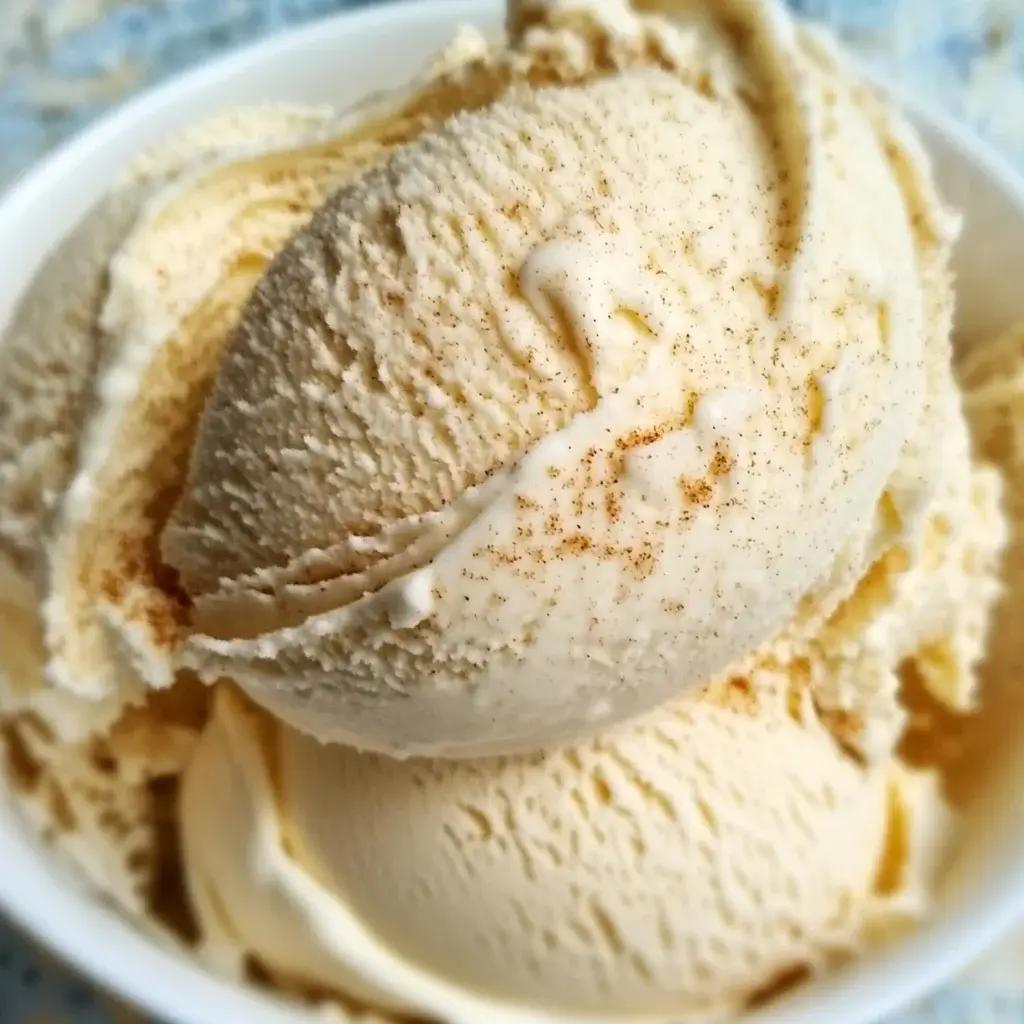

Okay, let’s embark on a delightful culinary journey to create the most exquisite Vanilla Cinnamon Ricotta Gelato you’ve ever tasted! I remember the first time I whipped up this particular concoction. It was a warm summer evening, and the family was craving something special after dinner. I’d been experimenting with ricotta in desserts, moving beyond the usual lasagna and cannoli fillings, and the idea of a creamy, subtly spiced gelato struck me. The aroma of vanilla and cinnamon wafting from the ice cream maker was intoxicating. When I finally served it, the silence around the table was golden, quickly followed by murmurs of appreciation. My usually picky youngest declared it “the best ice cream ever,” and my husband, a man of few words when it comes to sweets, actually asked for seconds. The beauty of this gelato lies in its sophisticated yet comforting flavor profile – the creamy, slightly tangy ricotta is perfectly balanced by the warm sweetness of vanilla and the gentle spice of cinnamon. It’s not just a dessert; it’s an experience, and one that has become a cherished treat in our home. I’m thrilled to share this recipe with you, confident that it will bring just as much joy to your table.
Ingredients
Here’s what you’ll need to craft this heavenly Vanilla Cinnamon Ricotta Gelato. Each ingredient plays a crucial role in achieving the perfect balance of flavor and texture:
- 1 ½ cups (360ml) Whole Milk: The foundation of our gelato base, providing essential liquid and contributing to its smooth, creamy texture. Whole milk offers a good balance of fat and water content.
- ¾ cup (150g) Granulated Sugar: This sweetens the gelato and, importantly, lowers the freezing point of the mixture, preventing it from becoming too icy and ensuring a scoopable texture.
- ½ cup (120ml) Heavy Cream: Adds richness, fat, and an incredibly luxurious mouthfeel. The higher fat content helps create smaller ice crystals for a smoother result.
- 4 Large Egg Yolks: These are natural emulsifiers and thickeners. They contribute to the gelato’s characteristic dense, creamy texture and rich flavor, setting it apart from ice cream.
- Pinch of Salt (about ⅛ teaspoon): A small amount of salt enhances the other flavors, particularly the sweetness of the sugar and the warmth of the vanilla and cinnamon. It balances the overall taste profile.
- 1 ½ cups (375g) Fresh Whole Milk Ricotta Cheese: The star ingredient! Opt for high-quality, fresh, whole milk ricotta. Its mild, slightly sweet, and tangy flavor, along with its creamy texture, defines this gelato. Drain any excess whey if it appears very watery.
- 1 ½ teaspoons Pure Vanilla Extract: A classic flavor that pairs beautifully with dairy and spices. Use good quality pure vanilla extract for the best, most authentic taste. Vanilla bean paste (1 teaspoon) or one scraped vanilla bean can also be used for a more intense flavor.
- ¾ teaspoon Ground Cinnamon: This warm spice adds a delightful aromatic complexity that complements the vanilla and ricotta perfectly. Adjust to your preference, but this amount offers a lovely, noticeable warmth.
- Optional: ¼ teaspoon Freshly Grated Nutmeg: For an extra layer of warm spice complexity, though cinnamon is the primary spice here.
Instructions
Follow these steps carefully to achieve a perfectly smooth and flavorful Vanilla Cinnamon Ricotta Gelato. The process involves making a custard base, incorporating the ricotta, and then churning to perfection.
- Prepare the Custard Base:
- In a medium, heavy-bottomed saucepan, combine the whole milk, heavy cream, granulated sugar, and salt.
- Place the saucepan over medium heat. Stir frequently with a wooden spoon or heatproof spatula to dissolve the sugar and prevent the milk from scorching on the bottom.
- Heat the mixture until it is hot and steaming, with small bubbles forming around the edges. Do not bring it to a full boil.
- Temper the Egg Yolks:
- While the milk mixture is heating, place the egg yolks in a medium-sized heatproof bowl. Whisk them lightly until just combined.
- Once the milk mixture is hot, slowly pour about ½ cup of the hot liquid into the whisked egg yolks, whisking constantly. This process, called tempering, gently raises the temperature of the yolks, preventing them from scrambling when added to the hot milk.
- Pour the tempered egg yolk mixture back into the saucepan with the remaining hot milk mixture.
- Cook the Custard:
- Return the saucepan to medium-low heat. Cook, stirring constantly and scraping the bottom of the pan, for about 5-8 minutes, or until the custard thickens enough to coat the back of a spoon. You should be able to draw a line through the custard on the spoon, and the line should hold its shape.
- The custard should reach a temperature of 170-175°F (77-79°C) on an instant-read thermometer. Be careful not to overheat, or the eggs will curdle.
- Strain and Cool the Custard:
- Immediately remove the saucepan from the heat. Pour the custard through a fine-mesh sieve into a clean, heatproof bowl. This will remove any small bits of cooked egg and ensure a perfectly smooth base.
- Stir in the pure vanilla extract and ground cinnamon (and nutmeg, if using) into the warm custard.
- Incorporate the Ricotta:
- Add the fresh whole milk ricotta cheese to the warm custard mixture.
- Use an immersion blender to blend the ricotta into the custard until completely smooth and homogenous. If you don’t have an immersion blender, you can carefully transfer the mixture to a regular blender and blend until smooth, then return it to the bowl. This step is crucial for achieving a creamy, non-gritty texture.
- Chill the Gelato Base Thoroughly:
- Cover the bowl with plastic wrap, pressing it directly onto the surface of the gelato base to prevent a skin from forming.
- Refrigerate the base for at least 4 hours, but preferably overnight (8-12 hours). This thorough chilling is vital. A very cold base will churn faster and result in smaller ice crystals, leading to a creamier gelato.
- Churn the Gelato:
- Once the base is thoroughly chilled, give it a good whisk.
- Pour the chilled gelato base into your ice cream maker.
- Churn according to the manufacturer’s instructions, typically for 20-30 minutes, or until the gelato has thickened to the consistency of soft-serve ice cream. It should be creamy and have increased in volume.
- Ripen/Harden the Gelato:
- Transfer the churned gelato to an airtight, freezer-safe container. A shallow, flat container is ideal as it helps the gelato freeze more evenly and quickly.
- Smooth the top with a spatula. You can press a piece of parchment paper or plastic wrap directly onto the surface of the gelato to prevent ice crystals from forming.
- Freeze for at least 2-4 hours, or until firm enough to scoop. This “ripening” stage allows the flavors to meld further and the texture to set properly.
Nutrition Facts
- Servings: This recipe makes approximately 1 quart (about 8 servings).
- Calories per serving (approximate): Around 280-320 kcal.
- Fat: Approximately 18-22g per serving. Primarily from the heavy cream, egg yolks, and whole milk ricotta, contributing to the gelato’s rich texture and satiety.
- Protein: Approximately 7-9g per serving. Mainly from the ricotta cheese and egg yolks, making this a more protein-rich dessert compared to some other ice creams.
- Carbohydrates: Approximately 25-30g per serving. Predominantly from the granulated sugar, providing sweetness and essential for the gelato’s texture.
- Calcium: A good source of calcium, thanks to the milk and ricotta cheese, important for bone health.
- Saturated Fat: Contains saturated fats from dairy ingredients, which should be consumed in moderation as part of a balanced diet.
Disclaimer: Nutritional information is an estimate and can vary based on specific ingredients and portion sizes.
Preparation Time
Understanding the time commitment will help you plan your gelato-making adventure:
- Active Preparation Time: Approximately 25-35 minutes. This includes measuring ingredients, making the custard, blending in the ricotta, and setting up the ice cream maker.
- Inactive Chilling Time (Custard Base): Minimum 4 hours, but preferably 8-12 hours (overnight). This is crucial for the texture.
- Churning Time: Approximately 20-30 minutes, depending on your ice cream maker.
- Final Freezing/Ripening Time: Minimum 2-4 hours, or until firm.
Total Time (from start to scoopable gelato): Approximately 6.5 hours minimum, but ideally closer to 12-18 hours to allow for proper overnight chilling of the base.
How to Serve
Serving this Vanilla Cinnamon Ricotta Gelato is an art in itself. Here are some delightful ways to present and enjoy your homemade creation:
- Classic Scoop:
- Allow the gelato to sit at room temperature for 5-10 minutes before scooping. This slightly softens it, making it easier to scoop and enhancing its creamy texture.
- Serve in chilled bowls or classic gelato cups.
- Use a proper gelato spade or a sturdy ice cream scoop dipped in warm water for perfect globes.
- With Accompaniments:
- Dusting of Spice: A light extra dusting of ground cinnamon or freshly grated nutmeg on top just before serving enhances the aroma.
- Crunchy Toppings:
- Crushed amaretti cookies or biscotti for an Italian touch.
- Toasted chopped almonds, pecans, or pistachios for nutty crunch.
- Mini chocolate chips or chocolate shavings.
- Sauces:
- A drizzle of high-quality honey.
- A light caramel sauce.
- A rich espresso or coffee reduction for an affogato-style treat (pour hot espresso over a scoop).
- Fresh Fruit:
- Sliced fresh figs or a fig compote.
- Berries like raspberries or blueberries.
- Poached pears or apples seasoned with similar warm spices.
- In Cones:
- Serve in good quality waffle cones or sugar cones for a nostalgic treat.
- Alongside Other Desserts:
- A scoop next to a warm slice of apple pie, pear tart, or a simple pound cake.
- With a rich chocolate brownie or lava cake for a delightful contrast.
- As a Gelato Sandwich:
- Sandwich a scoop between two pizzelle cookies, gingersnaps, or your favorite thin cookies.
- Gourmet Presentation:
- For a fancier presentation, garnish with a cinnamon stick or a small sprig of mint.
Additional Tips
To ensure your Vanilla Cinnamon Ricotta Gelato is an absolute triumph, consider these extra pointers:
- Quality Ingredients are Key: Especially for the ricotta. Use fresh, whole milk ricotta for the best flavor and creamiest texture. The better your ingredients, the more exceptional your gelato will be. Avoid watery, overly processed, or skim-milk varieties.
- Don’t Skip Chilling the Base: This is perhaps the most crucial non-active step. A thoroughly chilled base (ideally overnight) freezes faster in the ice cream maker, resulting in smaller ice crystals and a much smoother, creamier gelato. A warm base will take longer to churn and can lead to an icier texture.
- Properly Temper Eggs: Rushing the tempering process can result in scrambled eggs in your custard. Add the hot milk mixture to the yolks very slowly at first, whisking constantly, to gently raise their temperature.
- Strain the Custard: Even if you think you’ve perfectly cooked your custard, always strain it through a fine-mesh sieve. This catches any tiny bits of cooked egg or undissolved sugar, guaranteeing an ultra-smooth final product.
- Don’t Over-Churn: Churn only until the gelato reaches the consistency of thick soft-serve ice cream. Over-churning can incorporate too much air (making it more like American ice cream) or can start to break down the fat structure if the gelato gets too stiff in the machine.
- Optimal Freezing Container: Use a shallow, flat, airtight container for the final freeze (ripening). This helps the gelato freeze more quickly and evenly, further preventing large ice crystal formation. Pre-chilling the container in the freezer also helps.
- Allow to Soften Before Serving: Homemade gelato freezes quite hard due to lower overrun (air content) compared to commercial ice cream. Let it sit at room temperature for 5-10 minutes (or a bit longer if very solidly frozen) to soften slightly. This brings out its creamy texture and makes it easier to scoop.
- Experiment with Spice Levels: The ¾ teaspoon of cinnamon provides a noticeable but balanced warmth. If you are a huge cinnamon fan, you could slightly increase it to 1 teaspoon. Conversely, if you prefer a more subtle spice, reduce it to ½ teaspoon. Taste the chilled base before churning and adjust if necessary, keeping in mind flavors can be slightly muted when frozen.
FAQ Section
Here are answers to some frequently asked questions about making Vanilla Cinnamon Ricotta Gelato:
- Q: Can I make this gelato without an ice cream maker?
A: Yes, you can! While an ice cream maker yields the creamiest results, you can use the “still-freezing” method. Pour the chilled base into a freezer-safe shallow pan. Freeze for 45 minutes. Remove and stir vigorously with a fork or whisk, breaking up ice crystals. Repeat this process every 30-45 minutes for 3-4 hours, or until it reaches a scoopable consistency. The texture will be slightly icier than churned gelato but still delicious. - Q: How long will homemade Vanilla Cinnamon Ricotta Gelato last in the freezer?
A: For the best taste and texture, consume homemade gelato within 1-2 weeks. Store it in an airtight container, pressed with parchment paper on the surface to minimize ice crystal formation. After two weeks, it’s still safe to eat but might develop some iciness or lose some flavor intensity. - Q: Can I use low-fat or skim milk ricotta cheese?
A: It’s highly recommended to use whole milk ricotta. The fat content is crucial for the creamy texture and rich flavor characteristic of gelato. Using low-fat or skim ricotta will likely result in a less creamy, more icy, and potentially grainier texture. - Q: Why do I need to temper the egg yolks? What happens if I skip this step?
A: Tempering egg yolks involves gradually raising their temperature by slowly whisking in a small amount of the hot milk mixture. If you add cold egg yolks directly to the hot milk, they will cook too quickly and scramble, resulting in little bits of cooked egg in your custard. Tempering ensures a smooth, homogenous base. - Q: My gelato is too hard to scoop straight from the freezer. What can I do?
A: This is normal for homemade gelato, which has less air than commercial ice cream. Simply let the container sit at room temperature for 5-15 minutes before scooping. This will soften it to the perfect consistency. Dipping your scoop in hot water also helps. - Q: Can I substitute the vanilla extract with a vanilla bean?
A: Absolutely! Using a vanilla bean will impart an even richer, more complex vanilla flavor. Split one vanilla bean lengthwise, scrape out the seeds, and add both the seeds and the pod to the milk mixture while it’s heating. Remove the pod before chilling the custard. You can rinse, dry, and save the pod to make vanilla sugar. - Q: What’s the difference between gelato and ice cream?
A: The main differences lie in fat content, air content (overrun), and serving temperature. Gelato typically uses more milk than cream, resulting in a lower fat percentage than American ice cream. It’s also churned at a slower speed, incorporating less air, which makes it denser. Gelato is traditionally served at a slightly warmer temperature than ice cream, which allows its flavors to shine and its texture to be softer. This recipe, with its egg yolks and cream, leans towards a richer style of gelato. - Q: My ricotta seems very watery. Should I drain it?
A: Yes. If your ricotta has a lot of visible liquid whey, it’s a good idea to drain it for about 15-30 minutes. You can do this by placing it in a fine-mesh sieve lined with cheesecloth set over a bowl. Removing excess water will prevent your gelato from being too icy and will concentrate the ricotta flavor.

Vanilla Cinnamon Ricotta Gelato
Ingredients
Here’s what you’ll need to craft this heavenly Vanilla Cinnamon Ricotta Gelato. Each ingredient plays a crucial role in achieving the perfect balance of flavor and texture:
- 1 ½ cups (360ml) Whole Milk: The foundation of our gelato base, providing essential liquid and contributing to its smooth, creamy texture. Whole milk offers a good balance of fat and water content.
- ¾ cup (150g) Granulated Sugar: This sweetens the gelato and, importantly, lowers the freezing point of the mixture, preventing it from becoming too icy and ensuring a scoopable texture.
- ½ cup (120ml) Heavy Cream: Adds richness, fat, and an incredibly luxurious mouthfeel. The higher fat content helps create smaller ice crystals for a smoother result.
- 4 Large Egg Yolks: These are natural emulsifiers and thickeners. They contribute to the gelato’s characteristic dense, creamy texture and rich flavor, setting it apart from ice cream.
- Pinch of Salt (about ⅛ teaspoon): A small amount of salt enhances the other flavors, particularly the sweetness of the sugar and the warmth of the vanilla and cinnamon. It balances the overall taste profile.
- 1 ½ cups (375g) Fresh Whole Milk Ricotta Cheese: The star ingredient! Opt for high-quality, fresh, whole milk ricotta. Its mild, slightly sweet, and tangy flavor, along with its creamy texture, defines this gelato. Drain any excess whey if it appears very watery.
- 1 ½ teaspoons Pure Vanilla Extract: A classic flavor that pairs beautifully with dairy and spices. Use good quality pure vanilla extract for the best, most authentic taste. Vanilla bean paste (1 teaspoon) or one scraped vanilla bean can also be used for a more intense flavor.
- ¾ teaspoon Ground Cinnamon: This warm spice adds a delightful aromatic complexity that complements the vanilla and ricotta perfectly. Adjust to your preference, but this amount offers a lovely, noticeable warmth.
- Optional: ¼ teaspoon Freshly Grated Nutmeg: For an extra layer of warm spice complexity, though cinnamon is the primary spice here.
Instructions
Follow these steps carefully to achieve a perfectly smooth and flavorful Vanilla Cinnamon Ricotta Gelato. The process involves making a custard base, incorporating the ricotta, and then churning to perfection.
- Prepare the Custard Base:
- In a medium, heavy-bottomed saucepan, combine the whole milk, heavy cream, granulated sugar, and salt.
- Place the saucepan over medium heat. Stir frequently with a wooden spoon or heatproof spatula to dissolve the sugar and prevent the milk from scorching on the bottom.
- Heat the mixture until it is hot and steaming, with small bubbles forming around the edges. Do not bring it to a full boil.
- Temper the Egg Yolks:
- While the milk mixture is heating, place the egg yolks in a medium-sized heatproof bowl. Whisk them lightly until just combined.
- Once the milk mixture is hot, slowly pour about ½ cup of the hot liquid into the whisked egg yolks, whisking constantly. This process, called tempering, gently raises the temperature of the yolks, preventing them from scrambling when added to the hot milk.
- Pour the tempered egg yolk mixture back into the saucepan with the remaining hot milk mixture.
- Cook the Custard:
- Return the saucepan to medium-low heat. Cook, stirring constantly and scraping the bottom of the pan, for about 5-8 minutes, or until the custard thickens enough to coat the back of a spoon. You should be able to draw a line through the custard on the spoon, and the line should hold its shape.
- The custard should reach a temperature of 170-175°F (77-79°C) on an instant-read thermometer. Be careful not to overheat, or the eggs will curdle.
- Strain and Cool the Custard:
- Immediately remove the saucepan from the heat. Pour the custard through a fine-mesh sieve into a clean, heatproof bowl. This will remove any small bits of cooked egg and ensure a perfectly smooth base.
- Stir in the pure vanilla extract and ground cinnamon (and nutmeg, if using) into the warm custard.
- Incorporate the Ricotta:
- Add the fresh whole milk ricotta cheese to the warm custard mixture.
- Use an immersion blender to blend the ricotta into the custard until completely smooth and homogenous. If you don’t have an immersion blender, you can carefully transfer the mixture to a regular blender and blend until smooth, then return it to the bowl. This step is crucial for achieving a creamy, non-gritty texture.
- Chill the Gelato Base Thoroughly:
- Cover the bowl with plastic wrap, pressing it directly onto the surface of the gelato base to prevent a skin from forming.
- Refrigerate the base for at least 4 hours, but preferably overnight (8-12 hours). This thorough chilling is vital. A very cold base will churn faster and result in smaller ice crystals, leading to a creamier gelato.
- Churn the Gelato:
- Once the base is thoroughly chilled, give it a good whisk.
- Pour the chilled gelato base into your ice cream maker.
- Churn according to the manufacturer’s instructions, typically for 20-30 minutes, or until the gelato has thickened to the consistency of soft-serve ice cream. It should be creamy and have increased in volume.
- Ripen/Harden the Gelato:
- Transfer the churned gelato to an airtight, freezer-safe container. A shallow, flat container is ideal as it helps the gelato freeze more evenly and quickly.
- Smooth the top with a spatula. You can press a piece of parchment paper or plastic wrap directly onto the surface of the gelato to prevent ice crystals from forming.
- Freeze for at least 2-4 hours, or until firm enough to scoop. This “ripening” stage allows the flavors to meld further and the texture to set properly.
Nutrition
- Serving Size: one normal portion
- Calories: 320
- Fat: 22g
- Carbohydrates: 30g
- Protein: 9g