
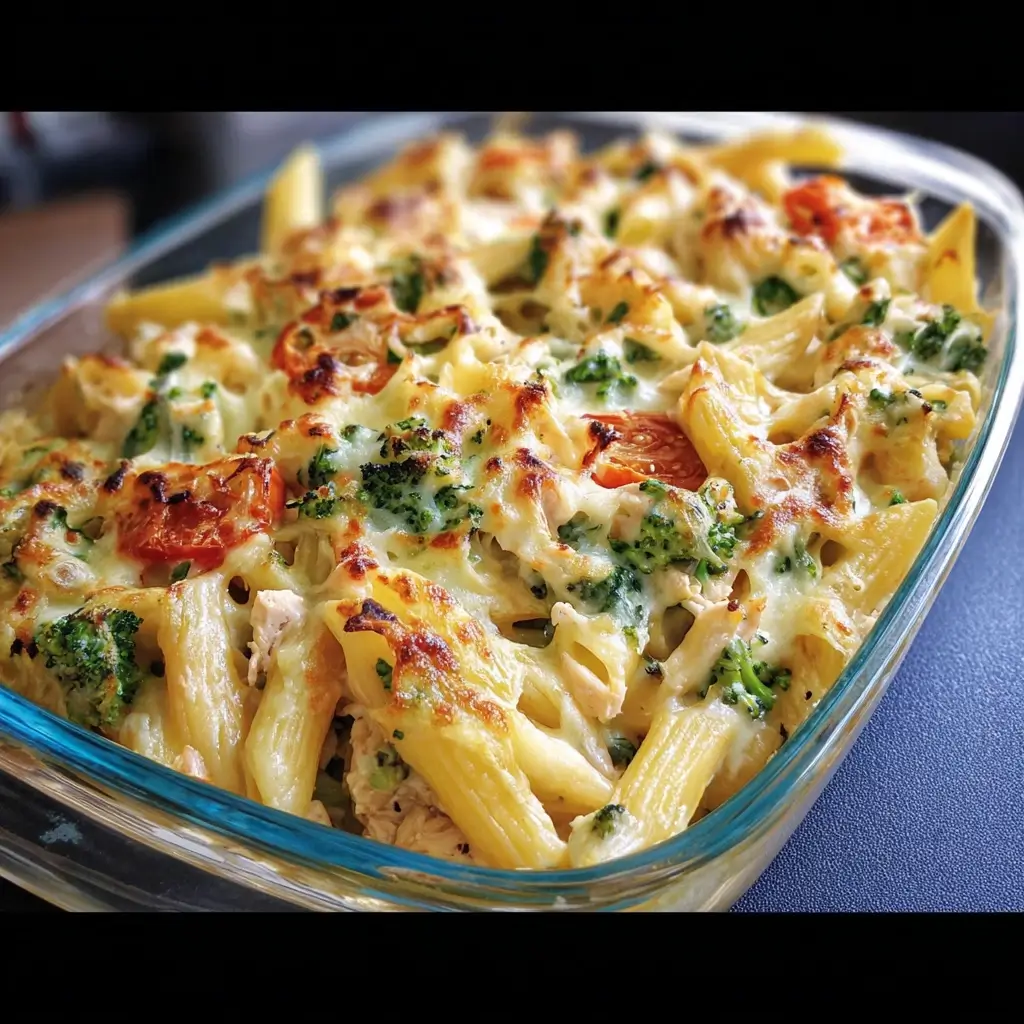
Of all the dishes in my weekly rotation, there are few that bring as much universal joy and comfort to my dinner table as this Tuna and Veggie Pasta Bake. It was born out of necessity on a chilly Tuesday evening when I needed something hearty, wholesome, and, most importantly, something the entire family would eat without complaint. I rummaged through the pantry and fridge, pulling out a can of tuna, some forgotten pasta, a block of cheese, and a handful of colorful vegetables. What emerged from the oven an hour later was nothing short of magic. The aroma of bubbling cheese and savory herbs filled the kitchen, and the sight of that golden, crispy crust was enough to make everyone’s stomach rumble in anticipation. That first bite was a revelation—creamy, cheesy, packed with tender vegetables, savory tuna, and perfectly cooked pasta. It wasn’t just a meal; it was a hug in a casserole dish. Since that day, this recipe has become our go-to comfort food. It’s the dish I make when someone has had a tough day, the one I bring to friends who’ve just had a baby, and the one that reliably disappears in minutes at family gatherings. It’s a testament to the fact that the most memorable meals are often the simplest, created from humble ingredients and a little bit of love. This Tuna and Veggie Pasta Bake is more than just a recipe; it’s a cornerstone of our family’s culinary story, and I’m so excited to share it with you.
Ingredients
- Pasta (1 lb / 450g): Short, tubular pasta shapes like penne, fusilli, rigatoni, or macaroni are ideal. Their ridges and hollows are perfect for trapping the creamy sauce and small pieces of tuna and vegetables, ensuring a flavourful bite every time. Whole wheat or gluten-free pasta can be substituted following package directions.
- Canned Tuna (2 cans, 5 oz / 142g each): Choose high-quality tuna packed in water or olive oil, drained very well to prevent a watery sauce. Chunk light tuna provides a great texture that flakes nicely into the sauce, while solid white albacore offers larger, firmer pieces.
- Unsalted Butter (1/4 cup / 57g): This is the foundation of our rich and creamy béchamel sauce, providing flavour and the necessary fat to cook the flour.
- All-Purpose Flour (1/4 cup / 30g): Flour acts as the thickener for the sauce. When cooked with the butter to form a roux, it loses its raw taste and creates a smooth, velvety consistency.
- Whole Milk (3 cups / 720ml): Warmed slightly before use, whole milk creates the creamiest, most luxurious sauce. You can use 2% milk, but the result will be slightly less rich. For a dairy-free version, unsweetened almond or soy milk can work.
- Yellow Onion (1 medium): Finely chopped, the onion provides a sweet, aromatic base flavour that elevates the entire dish.
- Garlic (3 cloves): Minced garlic adds a pungent, savory depth that complements both the tuna and the cheese.
- Red Bell Pepper (1 medium): Diced into small pieces, the bell pepper adds a touch of sweetness, a vibrant color, and a pleasant, tender crunch.
- Frozen or Fresh Spinach (1 cup / 150g): If using frozen, thaw it completely and squeeze out all excess water. This step is crucial to avoid a watery bake. Fresh spinach can be wilted directly in the pan. It adds essential nutrients and a beautiful green fleck throughout the casserole.
- Sharp Cheddar Cheese (2 cups / 225g): Freshly grated cheese melts far better than pre-shredded varieties, which often contain anti-caking agents. Sharp cheddar provides a robust, tangy flavour that stands up to the other ingredients.
- Mozzarella Cheese (1 cup / 113g): Mozzarella brings that glorious, stretchy “cheese pull” that everyone loves. Its milder flavour balances the sharpness of the cheddar.
- Parmesan Cheese (1/4 cup / 25g): Grated Parmesan adds a salty, nutty finish to the topping, helping it to brown beautifully in the oven.
- Dried Oregano (1 teaspoon): This herb adds a classic, earthy Mediterranean flavour that pairs wonderfully with tuna and tomato notes (even though we’re using peppers).
- Salt and Black Pepper: To taste. Essential for seasoning every layer of the dish, from the pasta water to the final sauce.
- Optional Breadcrumb Topping (1/2 cup Panko breadcrumbs + 1 tablespoon olive oil): For an extra crispy, golden-brown crust that provides a delightful textural contrast to the creamy interior.
Instructions
- Preheat and Prep: Begin by preheating your oven to 375°F (190°C). Lightly grease a 9×13 inch (or equivalent 3-quart) baking dish. This will prevent the pasta bake from sticking and make cleanup much easier.
- Cook the Pasta: Bring a large pot of heavily salted water to a rolling boil. Add the pasta and cook according to package directions, but undercook it by 2 minutes. You are aiming for a very firm al dente texture. The pasta will continue to cook in the oven, and this step prevents it from becoming mushy. Once cooked, drain the pasta and set it aside. Do not rinse it.
- Sauté the Aromatics and Vegetables: While the pasta is cooking, place a large saucepan or Dutch oven over medium heat. Melt the butter. Once the butter is melted and foamy, add the finely chopped onion and diced red bell pepper. Sauté for 5-7 minutes, stirring occasionally, until the vegetables have softened and the onion is translucent. Add the minced garlic and dried oregano and cook for another minute until fragrant. Be careful not to burn the garlic.
- Create the Creamy Béchamel Sauce: Sprinkle the all-purpose flour over the sautéed vegetables. Stir constantly for about 1-2 minutes to cook out the raw flour taste. This mixture of fat and flour is called a roux, and it’s the key to a thick, stable sauce. Slowly begin to pour in the warmed milk, a little at a time, while whisking vigorously. Continuing to add the milk gradually while whisking will prevent any lumps from forming.
- Simmer and Thicken the Sauce: Once all the milk has been incorporated, bring the sauce to a gentle simmer. Continue to cook, stirring frequently, for about 5-8 minutes, until the sauce has thickened enough to coat the back of a spoon. Season generously with salt and black pepper. Taste and adjust seasoning as needed.
- Incorporate the Cheese and Key Ingredients: Turn off the heat. Add 1.5 cups of the shredded cheddar cheese and all of the shredded mozzarella cheese to the sauce. Stir until the cheese is completely melted and the sauce is smooth and velvety. Now, gently fold in the well-drained flaked tuna and the squeezed-dry spinach. Stir until everything is evenly distributed throughout the creamy sauce.
- Combine and Assemble: Add the drained, undercooked pasta to the saucepan with the sauce. Gently stir everything together until every piece of pasta is generously coated. The mixture should be thick and creamy. Pour the entire mixture into your prepared baking dish and spread it into an even layer.
- Add the Topping and Bake: In a small bowl, combine the remaining 1/2 cup of cheddar cheese, the 1/4 cup of Parmesan cheese, and the optional Panko breadcrumbs. If using breadcrumbs, drizzle with 1 tablespoon of olive oil and toss to coat. Sprinkle this topping mixture evenly over the pasta in the baking dish.
- Bake to Perfection: Place the baking dish in the preheated oven and bake for 25-30 minutes. The Tuna and Veggie Pasta Bake is done when the sauce is bubbling around the edges and the cheesy topping is melted, golden brown, and slightly crispy.
- Rest and Serve: Remove the pasta bake from the oven and let it rest for at least 10-15 minutes before serving. This crucial step allows the sauce to set up and thicken slightly, making it easier to serve and preventing it from being too runny. Garnish with fresh parsley if desired, and serve warm.
Nutrition Facts
- Servings: 8 servings
- Calories per Serving: Approximately 550-650 kcal
- Protein (Approx. 30g): A significant source of high-quality protein from the tuna, milk, and cheese, which is essential for muscle repair, satiety, and keeping you feeling full and satisfied.
- Carbohydrates (Approx. 55g): Primarily from the pasta, providing the necessary energy to fuel your body and brain. Choosing whole wheat pasta can increase the fiber content.
- Fat (Approx. 25g): A mix of fats from the butter, cheese, and tuna (if using oil-packed). Fat is crucial for flavour and the absorption of fat-soluble vitamins.
- Fiber (Approx. 4g): Contributed by the vegetables (spinach, peppers, onion) and whole wheat pasta (if used). Fiber is vital for digestive health and helps in regulating blood sugar levels.
- Calcium (Approx. 400mg): Thanks to the generous amount of milk and cheese, this dish is an excellent source of calcium, which is critical for strong bones and teeth.
Preparation Time
This family-friendly Tuna and Veggie Pasta Bake is designed for busy weeknights. The total time from start to finish is approximately 1 hour and 15 minutes. This includes about 25 minutes of active preparation (chopping vegetables, making the sauce, assembling the casserole) and 30 minutes of baking time, plus an essential 15 minutes for the dish to rest and set before serving.
How to Serve
This creamy and satisfying Tuna and Veggie Pasta Bake is a complete meal on its own, but pairing it with a few simple sides can elevate it to a spectacular feast. Here are some wonderful ways to serve it:
- With a Crisp Green Salad:
- A simple salad of mixed greens, cherry tomatoes, and cucumber tossed in a light lemon vinaigrette is the perfect counterpoint. The acidity and freshness of the salad cut through the richness of the cheesy pasta, cleansing the palate between bites.
- Alongside Steamed or Roasted Vegetables:
- Enhance the veggie content of your meal by serving with a side of steamed broccoli, green beans, or roasted asparagus. A light sprinkle of salt and a squeeze of lemon is all they need.
- With a Side of Garlic Bread:
- For the ultimate comfort food experience, serve slices of warm, buttery garlic bread. It’s perfect for scooping up any delicious, creamy sauce left on the plate.
- Garnished for Presentation:
- Make the dish look as good as it tastes. Just before serving, sprinkle the top with freshly chopped parsley or chives for a pop of color and a hint of fresh, herbaceous flavour.
- A final drizzle of high-quality extra virgin olive oil can add a touch of peppery sophistication.
Additional Tips
- The Secret to a Non-Watery Bake: The most common pitfall with tuna bakes is a watery sauce. To prevent this, you must be diligent about removing excess moisture. Squeeze every last drop of water from the thawed frozen spinach and drain the canned tuna meticulously.
- Make-Ahead Masterpiece: This casserole is perfect for meal prep. You can assemble the entire dish (without the topping) up to 24 hours in advance. Cover it tightly with plastic wrap or foil and store it in the refrigerator. When ready to eat, add the topping and bake, adding 10-15 minutes to the initial baking time to account for the chill.
- Freezer-Friendly Instructions: Double the recipe and freeze one for a future meal. For best results, freeze the unbaked casserole. Assemble as directed in a freezer-safe dish, but leave off the breadcrumb topping. Cover tightly with a layer of plastic wrap followed by a layer of heavy-duty foil. It can be frozen for up to 3 months. To bake, thaw overnight in the refrigerator, then add the topping and bake as directed.
- Customize Your Vegetables: This recipe is incredibly versatile. Feel free to swap or add vegetables based on what you have on hand. Sautéed mushrooms, steamed broccoli florets, frozen peas, or chopped zucchini all work wonderfully. Just be sure to cook any hard vegetables until tender before adding them to the sauce.
- Achieve the Perfect Golden Crust: For an extra crispy, deeply golden-brown topping, switch the oven to the broiler setting for the last 1-2 minutes of cooking. Watch it very carefully, as the topping can go from golden to burnt in a matter of seconds.
- Spice It Up: If you prefer a little heat, add 1/4 to 1/2 teaspoon of red pepper flakes along with the garlic and oregano. A dash of hot sauce or a teaspoon of Dijon mustard stirred into the finished sauce can also add a wonderful, zesty kick.
- Protein Variations: While tuna is the star, this recipe works beautifully with other proteins. Try using two cans of drained, flaked salmon for a richer flavour, or substitute with 2-3 cups of shredded rotisserie chicken for a completely different but equally delicious casserole.
- The Importance of Resting: Do not skip the 10-15 minute resting period after the bake comes out of the oven. This time is essential for the molten sauce to cool slightly and set up. If you cut into it immediately, it will be runny and won’t hold its shape. Patience is rewarded with perfectly portioned, creamy slices.
FAQ Section
1. Q: Why did my pasta bake turn out dry?
A: Dryness in a pasta bake usually stems from two issues: not enough sauce or overcooked pasta. Ensure you follow the sauce-to-pasta ratio in the recipe. Crucially, only cook your pasta to a very firm al dente (2 minutes less than the package directs). The pasta will absorb a significant amount of liquid as it bakes, so starting with slightly undercooked pasta and a very generous amount of sauce is key.
2. Q: Can I use a different type of cheese?
A: Absolutely! While cheddar and mozzarella are a classic combination for flavour and meltiness, you can easily experiment. Gruyère, Monterey Jack, Fontina, or a Colby blend would all be delicious. For a richer flavour, try using a mix of smoked and regular Gouda. Just be sure to use a good melting cheese for the sauce and topping.
3. Q: My béchamel sauce is lumpy. How can I fix it?
A: Lumps usually form when cold milk is added to the hot roux too quickly. To fix a lumpy sauce, you can either use an immersion blender directly in the pot for a few seconds or carefully transfer the sauce to a standard blender and pulse until smooth. To prevent it in the first place, always add warmed milk very slowly, especially at the beginning, and whisk constantly.
4. Q: How do I store and reheat leftovers?
A: Store any leftover pasta bake in an airtight container in the refrigerator for up to 4 days. The best way to reheat it is in the oven. Place the desired portion in an oven-safe dish, cover with foil to prevent drying out, and bake at 350°F (175°C) for 15-20 minutes, or until heated through. For a quicker option, you can microwave individual portions, but the texture will be softer.
5. Q: Can I make this Tuna and Veggie Pasta Bake gluten-free?
A: Yes, this recipe adapts well to be gluten-free. Simply substitute your favorite brand of gluten-free pasta (corn, rice, or lentil-based work well). For the sauce, use a gluten-free all-purpose flour blend in place of the regular flour to create the roux. Ensure your canned tuna and other ingredients are certified gluten-free.
6. Q: Is this recipe considered kid-friendly?
A: This is a quintessentially kid-friendly recipe! The creamy, cheesy sauce and familiar pasta are usually a big hit with children. The vegetables are chopped finely and mixed into the sauce, making them less intimidating for picky eaters. If your children are very sensitive to textures, you can dice the onions and peppers even smaller or even puree them before adding.
7. Q: Can I use fresh tuna instead of canned?
A: Yes, you can use fresh tuna, but it requires an extra step. You would need to cook the tuna first. Season two 6-ounce tuna steaks with salt and pepper, then pan-sear them for 2-3 minutes per side until just cooked through. Let them cool slightly, then flake the cooked tuna with a fork and fold it into the sauce as you would with the canned version.
8. Q: Why is it important to use freshly grated cheese?
A: Pre-shredded cheese from a bag contains additives like potato starch and cellulose to prevent the shreds from clumping. These additives can inhibit melting and result in a slightly grainy or greasy sauce. Grating a block of cheese yourself takes only a few extra minutes and guarantees a much smoother, creamier, and more flavourful cheese sauce.
Tuna and Veggie Pasta Bake
Ingredients
- Pasta (1 lb / 450g): Short, tubular pasta shapes like penne, fusilli, rigatoni, or macaroni are ideal. Their ridges and hollows are perfect for trapping the creamy sauce and small pieces of tuna and vegetables, ensuring a flavourful bite every time. Whole wheat or gluten-free pasta can be substituted following package directions.
- Canned Tuna (2 cans, 5 oz / 142g each): Choose high-quality tuna packed in water or olive oil, drained very well to prevent a watery sauce. Chunk light tuna provides a great texture that flakes nicely into the sauce, while solid white albacore offers larger, firmer pieces.
- Unsalted Butter (1/4 cup / 57g): This is the foundation of our rich and creamy béchamel sauce, providing flavour and the necessary fat to cook the flour.
- All-Purpose Flour (1/4 cup / 30g): Flour acts as the thickener for the sauce. When cooked with the butter to form a roux, it loses its raw taste and creates a smooth, velvety consistency.
- Whole Milk (3 cups / 720ml): Warmed slightly before use, whole milk creates the creamiest, most luxurious sauce. You can use 2% milk, but the result will be slightly less rich. For a dairy-free version, unsweetened almond or soy milk can work.
- Yellow Onion (1 medium): Finely chopped, the onion provides a sweet, aromatic base flavour that elevates the entire dish.
- Garlic (3 cloves): Minced garlic adds a pungent, savory depth that complements both the tuna and the cheese.
- Red Bell Pepper (1 medium): Diced into small pieces, the bell pepper adds a touch of sweetness, a vibrant color, and a pleasant, tender crunch.
- Frozen or Fresh Spinach (1 cup / 150g): If using frozen, thaw it completely and squeeze out all excess water. This step is crucial to avoid a watery bake. Fresh spinach can be wilted directly in the pan. It adds essential nutrients and a beautiful green fleck throughout the casserole.
- Sharp Cheddar Cheese (2 cups / 225g): Freshly grated cheese melts far better than pre-shredded varieties, which often contain anti-caking agents. Sharp cheddar provides a robust, tangy flavour that stands up to the other ingredients.
- Mozzarella Cheese (1 cup / 113g): Mozzarella brings that glorious, stretchy “cheese pull” that everyone loves. Its milder flavour balances the sharpness of the cheddar.
- Parmesan Cheese (1/4 cup / 25g): Grated Parmesan adds a salty, nutty finish to the topping, helping it to brown beautifully in the oven.
- Dried Oregano (1 teaspoon): This herb adds a classic, earthy Mediterranean flavour that pairs wonderfully with tuna and tomato notes (even though we’re using peppers).
- Salt and Black Pepper: To taste. Essential for seasoning every layer of the dish, from the pasta water to the final sauce.
- Optional Breadcrumb Topping (1/2 cup Panko breadcrumbs + 1 tablespoon olive oil): For an extra crispy, golden-brown crust that provides a delightful textural contrast to the creamy interior.
Instructions
- Preheat and Prep: Begin by preheating your oven to 375°F (190°C). Lightly grease a 9×13 inch (or equivalent 3-quart) baking dish. This will prevent the pasta bake from sticking and make cleanup much easier.
- Cook the Pasta: Bring a large pot of heavily salted water to a rolling boil. Add the pasta and cook according to package directions, but undercook it by 2 minutes. You are aiming for a very firm al dente texture. The pasta will continue to cook in the oven, and this step prevents it from becoming mushy. Once cooked, drain the pasta and set it aside. Do not rinse it.
- Sauté the Aromatics and Vegetables: While the pasta is cooking, place a large saucepan or Dutch oven over medium heat. Melt the butter. Once the butter is melted and foamy, add the finely chopped onion and diced red bell pepper. Sauté for 5-7 minutes, stirring occasionally, until the vegetables have softened and the onion is translucent. Add the minced garlic and dried oregano and cook for another minute until fragrant. Be careful not to burn the garlic.
- Create the Creamy Béchamel Sauce: Sprinkle the all-purpose flour over the sautéed vegetables. Stir constantly for about 1-2 minutes to cook out the raw flour taste. This mixture of fat and flour is called a roux, and it’s the key to a thick, stable sauce. Slowly begin to pour in the warmed milk, a little at a time, while whisking vigorously. Continuing to add the milk gradually while whisking will prevent any lumps from forming.
- Simmer and Thicken the Sauce: Once all the milk has been incorporated, bring the sauce to a gentle simmer. Continue to cook, stirring frequently, for about 5-8 minutes, until the sauce has thickened enough to coat the back of a spoon. Season generously with salt and black pepper. Taste and adjust seasoning as needed.
- Incorporate the Cheese and Key Ingredients: Turn off the heat. Add 1.5 cups of the shredded cheddar cheese and all of the shredded mozzarella cheese to the sauce. Stir until the cheese is completely melted and the sauce is smooth and velvety. Now, gently fold in the well-drained flaked tuna and the squeezed-dry spinach. Stir until everything is evenly distributed throughout the creamy sauce.
- Combine and Assemble: Add the drained, undercooked pasta to the saucepan with the sauce. Gently stir everything together until every piece of pasta is generously coated. The mixture should be thick and creamy. Pour the entire mixture into your prepared baking dish and spread it into an even layer.
- Add the Topping and Bake: In a small bowl, combine the remaining 1/2 cup of cheddar cheese, the 1/4 cup of Parmesan cheese, and the optional Panko breadcrumbs. If using breadcrumbs, drizzle with 1 tablespoon of olive oil and toss to coat. Sprinkle this topping mixture evenly over the pasta in the baking dish.
- Bake to Perfection: Place the baking dish in the preheated oven and bake for 25-30 minutes. The Tuna and Veggie Pasta Bake is done when the sauce is bubbling around the edges and the cheesy topping is melted, golden brown, and slightly crispy.
- Rest and Serve: Remove the pasta bake from the oven and let it rest for at least 10-15 minutes before serving. This crucial step allows the sauce to set up and thicken slightly, making it easier to serve and preventing it from being too runny. Garnish with fresh parsley if desired, and serve warm.
Nutrition
- Serving Size: one normal portion
- Calories: 650
- Fat: 25g
- Carbohydrates: 55g
- Fiber: 4g
- Protein: 30g