
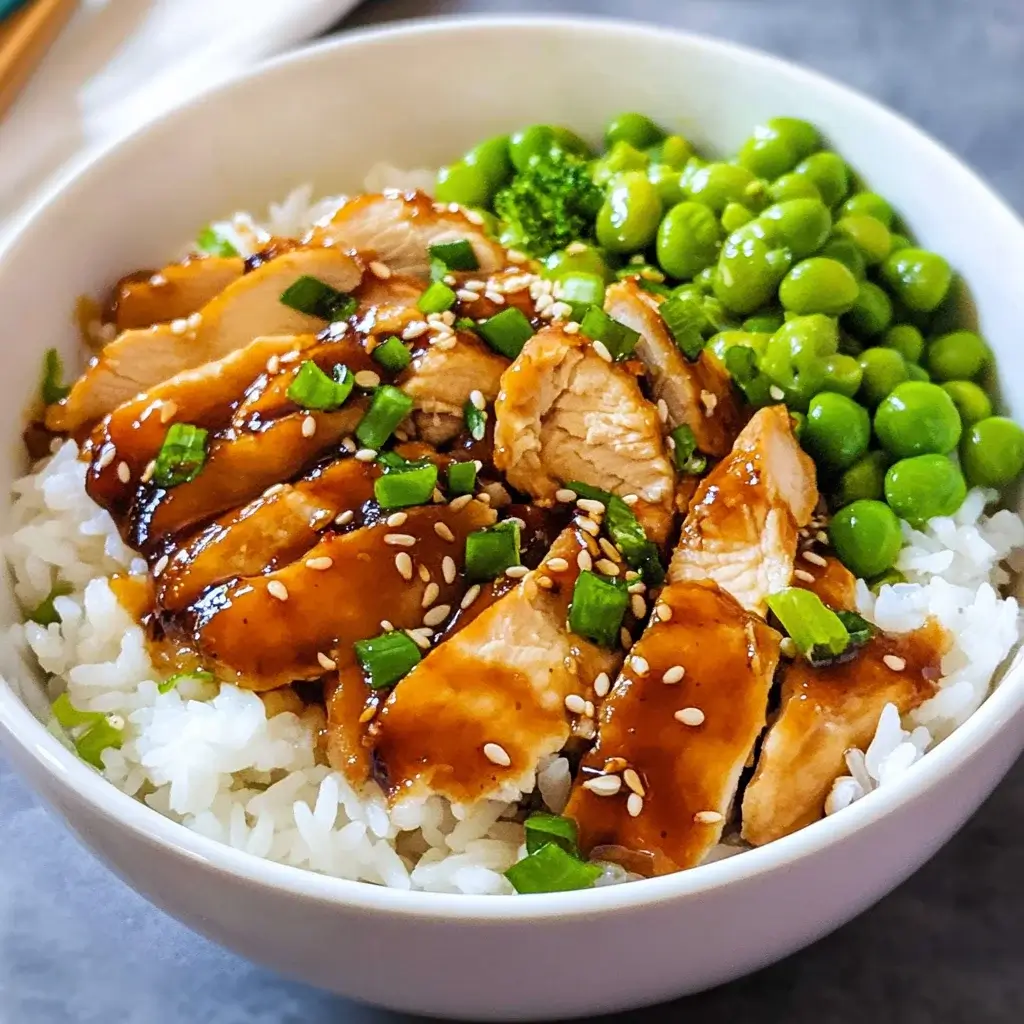
In our house, weeknight dinners need to be three things: quick, easy, and delicious. Finding meals that satisfy all three, especially with picky eaters in the mix, can feel like a constant culinary tightrope walk. That’s where this Teriyaki Chicken Rice Bowl recipe comes in as a true lifesaver. From the moment the savory-sweet aroma of the homemade teriyaki sauce starts to fill the kitchen, everyone knows they’re in for a treat. What I love most about this recipe is its incredible versatility. You can easily adapt it to include your favorite vegetables, swap proteins, and tailor it to individual tastes. My kids are big fans of the tender, glazed chicken and fluffy rice, while my husband and I appreciate the fresh veggies and the satisfying, balanced meal it provides. Honestly, this Teriyaki Chicken Rice Bowl has become a regular fixture in our dinner rotation, and I’m excited to share this foolproof recipe with you so you can experience the same weeknight dinner win in your own home. Get ready to ditch the takeout menus and embrace the deliciousness of homemade teriyaki chicken bowls!
Ingredients You’ll Need for the Perfect Teriyaki Chicken Rice Bowl
Here’s a breakdown of all the fresh and flavorful ingredients you’ll need to create this mouthwatering Teriyaki Chicken Rice Bowl. We’ve made sure to include precise measurements and short descriptions to guide you through each step of the recipe.
- Chicken Thighs (1.5 lbs): Boneless, skinless chicken thighs are recommended for their juiciness and flavor. They hold up beautifully to the teriyaki marinade and stay tender even when cooked at higher temperatures. You can also use chicken breasts, but thighs tend to be more forgiving.
- Soy Sauce (½ cup): Use low-sodium soy sauce to control the saltiness of the teriyaki sauce. Soy sauce is the foundation of the teriyaki flavor, providing umami and depth.
- Mirin (¼ cup): Mirin is a sweet rice wine essential for authentic teriyaki sauce. It adds sweetness and a subtle tang, balancing the saltiness of the soy sauce and contributing to the glaze’s glossy texture. If you can’t find mirin, you can substitute with dry sherry or rice vinegar with a teaspoon of sugar.
- Sake (¼ cup): Sake, Japanese rice wine, enhances the flavor profile of the teriyaki sauce, adding complexity and depth. If you don’t have sake, you can substitute with dry white wine or even chicken broth for a non-alcoholic option.
- Brown Sugar (¼ cup, packed): Brown sugar provides sweetness and a molasses-like richness to the teriyaki sauce. The molasses helps to create a beautiful caramelized glaze when the sauce cooks down. You can adjust the amount to your sweetness preference.
- Ginger (1 tbsp, grated): Fresh ginger adds a zesty, warm spice that is crucial for authentic teriyaki flavor. Grate it finely to release its aromatic oils and ensure it blends seamlessly into the sauce.
- Garlic (2 cloves, minced): Garlic provides a pungent, savory base note to the teriyaki sauce. Mince it finely to distribute its flavor evenly throughout the sauce and prevent any large pieces from burning.
- Sesame Oil (1 tbsp): Toasted sesame oil adds a distinct nutty aroma and flavor that is characteristic of Asian cuisine and complements the teriyaki sauce beautifully. A little goes a long way, so just a tablespoon is enough to infuse the sauce with its signature fragrance.
- Cornstarch (1 tbsp): Cornstarch is used as a thickening agent to create the glossy, syrupy texture of the teriyaki glaze. It helps the sauce cling to the chicken and rice, making each bite incredibly flavorful.
- Water (2 tbsp): Water is mixed with cornstarch to create a slurry, which is then added to the simmering sauce to thicken it smoothly and prevent lumps.
- Cooked Rice (4 cups): Cooked white rice, brown rice, or even quinoa works perfectly as the base for this bowl. Choose your favorite grain! We recommend short-grain white rice for its slightly sticky texture, which holds the sauce well.
- Broccoli Florets (1 head, cut into bite-sized pieces): Broccoli adds a healthy dose of vegetables and a pleasant crunch to the bowl. Florets are easy to roast or steam and provide a vibrant green color to the dish.
- Carrots (2 medium, julienned or thinly sliced): Carrots provide sweetness, color, and a satisfying crunch. Julienne or thinly sliced carrots cook quickly and add visual appeal to the bowl.
- Edamame (1 cup, shelled): Shelled edamame adds a pop of vibrant green color, a slightly nutty flavor, and a boost of protein and fiber. You can use frozen edamame, just thaw it before adding to the bowl.
- Green Onions (2-3, thinly sliced, for garnish): Green onions provide a fresh, mild onion flavor and a vibrant green garnish. They add a final touch of freshness and visual appeal to the finished bowls.
- Sesame Seeds (for garnish): Sesame seeds, especially toasted sesame seeds, add a nutty flavor and a delightful crunch to the bowls. They also enhance the visual appeal, adding a sprinkle of texture and color.
- Optional Toppings (as desired): Feel free to get creative with toppings! Consider adding sriracha for heat, avocado for creaminess, pickled ginger for tang, or nori seaweed flakes for umami.
Step-by-Step Instructions to Create Your Teriyaki Chicken Rice Bowl Masterpiece
Follow these easy-to-understand instructions to create your own delicious and satisfying Teriyaki Chicken Rice Bowls. We’ve broken down each step to ensure success, even for beginner cooks.
- Prepare the Teriyaki Marinade: In a medium-sized bowl, whisk together the soy sauce, mirin, sake, brown sugar, grated ginger, minced garlic, and sesame oil. Ensure the brown sugar is fully dissolved by whisking thoroughly. This flavorful mixture will not only marinate the chicken but also form the base of our delicious teriyaki sauce. Take a moment to smell the aromatic blend of ginger, garlic, and sesame – it’s a preview of the deliciousness to come!
- Marinate the Chicken: Place the chicken thighs in a resealable plastic bag or a shallow dish. Pour the teriyaki marinade over the chicken, ensuring each piece is well coated. Seal the bag or cover the dish and marinate in the refrigerator for at least 30 minutes, or up to 4 hours for even more intense flavor. The longer the chicken marinates, the more flavorful and tender it will become, as the marinade works its magic, breaking down the proteins and infusing the chicken with its savory-sweetness.
- Cook the Rice: While the chicken is marinating, prepare your rice according to package instructions. Whether you prefer white rice, brown rice, or even quinoa, get it cooking so it’s ready to serve when the chicken is done. Fluffy, perfectly cooked rice is the ideal foundation for your teriyaki chicken bowl, absorbing the delicious sauce and complementing the savory chicken.
- Prepare the Vegetables (Optional): If you are using roasted vegetables, preheat your oven to 400°F (200°C). Toss the broccoli florets and julienned carrots with a drizzle of olive oil, salt, and pepper. Spread them in a single layer on a baking sheet and roast for 15-20 minutes, or until tender-crisp and slightly caramelized. Alternatively, you can steam or sauté your vegetables for a quicker cooking method. Preparing your vegetables while the chicken marinates and the rice cooks streamlines the cooking process and ensures everything is ready around the same time.
- Cook the Chicken: Heat a large skillet or grill pan over medium-high heat. Remove the chicken from the marinade, letting any excess marinade drip off (reserve the marinade – we’ll use it for the sauce!). Cook the chicken for about 5-7 minutes per side, or until cooked through and nicely browned. The internal temperature should reach 165°F (74°C). The high heat will help to create a beautiful sear on the chicken, locking in the juices and adding a slightly crispy exterior. Avoid overcrowding the pan; cook in batches if necessary to ensure even browning.
- Make the Teriyaki Sauce: While the chicken is cooking, pour the reserved marinade into a small saucepan. In a separate small bowl, whisk together the cornstarch and water to create a slurry. Bring the marinade to a simmer over medium heat. Gradually whisk in the cornstarch slurry. Continue to simmer, stirring constantly, for 2-3 minutes, or until the sauce thickens to your desired consistency. The cornstarch slurry will transform the marinade into a luscious, glossy teriyaki glaze. Stirring constantly prevents lumps from forming and ensures a smooth, velvety sauce.
- Glaze the Chicken: Once the chicken is cooked through, pour the teriyaki sauce over the chicken in the skillet (or in a separate bowl). Toss to coat the chicken evenly with the glaze. Let it simmer for another minute or two, allowing the sauce to further thicken and cling to the chicken, creating a beautiful, shiny glaze. The final simmer in the teriyaki sauce ensures the chicken is fully infused with flavor and coated in a delectable glaze that will make your taste buds sing.
- Assemble the Bowls: Divide the cooked rice among bowls. Top with the glazed teriyaki chicken, roasted (or steamed/sautéed) vegetables, and shelled edamame. Garnish with sliced green onions and sesame seeds. Encourage everyone to customize their bowls with their favorite toppings, like sriracha for a kick or avocado for creaminess.
- Serve and Enjoy! Serve your Teriyaki Chicken Rice Bowls immediately while the chicken is warm and the rice is fluffy. Get ready for a flavor explosion! Each bite is a perfect balance of savory, sweet, and umami, with tender chicken, flavorful rice, and fresh vegetables. Enjoy the fruits of your labor and savor this delicious and healthy homemade meal!
Nutrition Facts for Your Teriyaki Chicken Rice Bowl (per serving, approximate)
This Teriyaki Chicken Rice Bowl is not only delicious but also packed with nutrients. Here’s a snapshot of the approximate nutritional information per serving. Please note that these values are estimates and can vary based on specific ingredients and portion sizes.
- Serving Size: 1 bowl (approximately 1.5-2 cups total volume) – This recipe is designed to comfortably serve 4-6 people, depending on portion sizes.
- Calories: Approximately 550-650 calories per serving – This range is a moderate estimate and can vary depending on the type of rice used, the amount of sauce, and added toppings.
- Protein (40-50g): Chicken thighs are a fantastic source of lean protein, essential for muscle building and repair, as well as satiety. Protein helps you feel fuller for longer, making this a satisfying and balanced meal.
Note: These values are estimates and may vary. For precise nutritional information, use a nutrition calculator with the specific brands and quantities of ingredients you use.
Preparation Time Breakdown for Your Teriyaki Chicken Rice Bowl
Planning is key to a smooth cooking process. Here’s a breakdown of the approximate time you’ll need to prepare this Teriyaki Chicken Rice Bowl, making it a perfect weeknight dinner option.
- Prep Time: 20 minutes: This includes time for chopping vegetables (if using fresh), grating ginger, mincing garlic, measuring ingredients for the marinade, and marinating the chicken. Efficient knife skills can significantly reduce prep time.
- Marination Time: 30 minutes (minimum) to 4 hours (maximum): While this isn’t active cooking time, it’s an essential step for flavor development. You can use this time to prepare your rice and vegetables or simply relax while the flavors meld.
- Cook Time: 25 minutes: This includes the time to cook the rice (if cooking from scratch), roast or cook vegetables (if using), and cook and glaze the chicken. The chicken cooks relatively quickly, especially when using boneless, skinless thighs.
- Total Time: 1 hour 15 minutes (minimum) to 4 hours 25 minutes (maximum, including longer marination): From start to finish, including the minimum marination time, you can have a delicious Teriyaki Chicken Rice Bowl on the table in just over an hour. Even with the maximum marination time, the active cooking time remains relatively short, making it manageable for a weeknight meal.
How to Serve Your Teriyaki Chicken Rice Bowl for Maximum Enjoyment
Serving is just as important as cooking! Here are some delicious and creative ways to serve your Teriyaki Chicken Rice Bowl, ensuring everyone enjoys every bite.
- Classic Bowl Style:
- Layer a generous portion of cooked rice in the bottom of each bowl.
- Top with glazed teriyaki chicken, arranging it attractively over the rice.
- Distribute the roasted or steamed vegetables around the chicken.
- Sprinkle with shelled edamame, green onions, and sesame seeds for garnish.
- Deconstructed Bowl (Great for Picky Eaters):
- Serve each component separately in serving dishes or sections of a plate.
- Allow everyone to build their own bowl, choosing exactly what they want and how much.
- This is perfect for families with varying preferences or children who like to have control over their meals.
- Family-Style Platter:
- Arrange the cooked rice on a large platter.
- Place the glazed teriyaki chicken in the center of the platter.
- Surround the chicken and rice with bowls or piles of roasted vegetables, edamame, and garnishes.
- Let everyone serve themselves from the platter, creating a communal and interactive dining experience.
- With Sides:
- Enhance your meal with complementary side dishes.
- Consider serving a side of miso soup for a traditional Japanese touch.
- A refreshing cucumber salad or seaweed salad would add a light and tangy counterpoint to the richness of the teriyaki.
- Kimchi or pickled vegetables can provide a spicy and fermented element to the meal.
Additional Tips for Teriyaki Chicken Rice Bowl Perfection
Want to take your Teriyaki Chicken Rice Bowls to the next level? Here are 8 essential tips to ensure success every time and customize the recipe to your liking.
- Don’t Skip the Marination: Marinating the chicken is crucial for flavor and tenderness. Even a short 30-minute marinade makes a significant difference. For the most intense flavor, marinate for up to 4 hours or even overnight in the refrigerator.
- Use Quality Soy Sauce: Opt for low-sodium soy sauce to control the saltiness and allow the other flavors to shine. High-quality soy sauce will also have a richer, more complex flavor profile.
- Adjust Sweetness to Your Preference: The recipe calls for ¼ cup of brown sugar, but you can adjust this to your liking. If you prefer a less sweet teriyaki sauce, start with 2 tablespoons and taste as you go, adding more if desired. You can also experiment with other sweeteners like honey or maple syrup.
- Don’t Overcook the Chicken: Overcooked chicken will be dry and tough. Cook chicken thighs until they reach an internal temperature of 165°F (74°C) and are no longer pink in the center. Use a meat thermometer for accuracy.
- Control the Sauce Consistency: The cornstarch slurry thickens the teriyaki sauce. If you prefer a thinner sauce, use slightly less cornstarch. For a thicker glaze, use slightly more or simmer the sauce for a longer time to reduce it further.
- Get Creative with Vegetables: Feel free to substitute or add other vegetables to your rice bowl. Bell peppers, snap peas, mushrooms, bok choy, or zucchini would all be delicious additions. Roast, steam, or sauté them to your liking.
- Make it Spicy: If you like a little heat, add a pinch of red pepper flakes to the marinade or teriyaki sauce. You can also drizzle sriracha or chili garlic sauce over the finished bowls for an extra kick.
- Meal Prep Master: Teriyaki Chicken Rice Bowls are perfect for meal prepping! Cook the chicken, rice, and vegetables separately and store them in airtight containers in the refrigerator. Assemble the bowls just before serving. The chicken and sauce can be reheated gently in a skillet or microwave.
Frequently Asked Questions About Teriyaki Chicken Rice Bowl
Got questions? We’ve got answers! Here are 8 frequently asked questions about making Teriyaki Chicken Rice Bowl, ensuring you have all the information you need for a successful and delicious meal.
Q1: Can I use chicken breasts instead of chicken thighs?
A: Yes, you can definitely use chicken breasts. However, chicken thighs are generally more forgiving and tend to stay juicier, especially when cooked at higher temperatures. If using chicken breasts, be careful not to overcook them, as they can become dry. You may also want to cut them into smaller pieces to ensure even cooking.
Q2: I don’t have mirin or sake. What can I substitute?
A: For mirin, you can substitute with dry sherry or rice vinegar. If using rice vinegar, add a teaspoon of sugar to compensate for the sweetness of mirin. For sake, dry white wine or even chicken broth can be used as a non-alcoholic substitute. While these substitutions won’t perfectly replicate the flavor of mirin and sake, they will still contribute to a delicious teriyaki sauce.
Q3: Can I make the teriyaki sauce ahead of time?
A: Yes, you can prepare the teriyaki sauce in advance. Store it in an airtight container in the refrigerator for up to 3-4 days. When ready to use, simply reheat it gently in a saucepan or microwave until warmed through. You may need to add a splash of water if it has thickened too much upon refrigeration.
Q4: How do I store leftover Teriyaki Chicken Rice Bowls?
A: Store leftover components separately for best results. Place the cooked chicken, rice, and vegetables in separate airtight containers in the refrigerator. They will keep well for up to 3-4 days. Reheat the chicken and vegetables in a skillet or microwave until warmed through. Reheat the rice separately to maintain its texture.
Q5: Can I freeze Teriyaki Chicken Rice Bowls?
A: While you can freeze the cooked teriyaki chicken and sauce, the texture of the rice and vegetables may change upon thawing. For best results, freeze only the cooked chicken and sauce in an airtight container for up to 2-3 months. Thaw overnight in the refrigerator and reheat thoroughly before serving over freshly cooked rice and vegetables.
Q6: What kind of rice is best for Teriyaki Chicken Rice Bowls?
A: Short-grain white rice, like sushi rice, is a popular choice because of its slightly sticky texture, which holds the sauce well. Brown rice is a healthier option with more fiber and a nuttier flavor. You can also use jasmine rice or basmati rice for a different texture and aroma. Ultimately, the best rice is the one you enjoy the most!
Q7: Can I grill the chicken instead of cooking it in a skillet?
A: Absolutely! Grilling the chicken is a fantastic option for adding a smoky flavor. Preheat your grill to medium-high heat. Grill the marinated chicken for about 4-5 minutes per side, or until cooked through and nicely grill-marked. Then, glaze the grilled chicken with the teriyaki sauce as instructed.
Q8: How can I make this recipe vegetarian or vegan?
A: To make this recipe vegetarian, substitute the chicken with firm or extra-firm tofu or tempeh. Press the tofu to remove excess water, cube it, and marinate and cook it in the same way as the chicken. For a vegan version, ensure all ingredients are vegan-friendly, and consider using maple syrup or agave instead of honey if you are strict about veganism. You can also add more plant-based protein sources like chickpeas or lentils to the bowl.
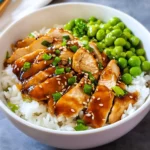
Teriyaki Chicken Rice Bowl
Ingredients
Here’s a breakdown of all the fresh and flavorful ingredients you’ll need to create this mouthwatering Teriyaki Chicken Rice Bowl. We’ve made sure to include precise measurements and short descriptions to guide you through each step of the recipe.
- Chicken Thighs (1.5 lbs): Boneless, skinless chicken thighs are recommended for their juiciness and flavor. They hold up beautifully to the teriyaki marinade and stay tender even when cooked at higher temperatures. You can also use chicken breasts, but thighs tend to be more forgiving.
- Soy Sauce (½ cup): Use low-sodium soy sauce to control the saltiness of the teriyaki sauce. Soy sauce is the foundation of the teriyaki flavor, providing umami and depth.
- Mirin (¼ cup): Mirin is a sweet rice wine essential for authentic teriyaki sauce. It adds sweetness and a subtle tang, balancing the saltiness of the soy sauce and contributing to the glaze’s glossy texture. If you can’t find mirin, you can substitute with dry sherry or rice vinegar with a teaspoon of sugar.
- Sake (¼ cup): Sake, Japanese rice wine, enhances the flavor profile of the teriyaki sauce, adding complexity and depth. If you don’t have sake, you can substitute with dry white wine or even chicken broth for a non-alcoholic option.
- Brown Sugar (¼ cup, packed): Brown sugar provides sweetness and a molasses-like richness to the teriyaki sauce. The molasses helps to create a beautiful caramelized glaze when the sauce cooks down. You can adjust the amount to your sweetness preference.
- Ginger (1 tbsp, grated): Fresh ginger adds a zesty, warm spice that is crucial for authentic teriyaki flavor. Grate it finely to release its aromatic oils and ensure it blends seamlessly into the sauce.
- Garlic (2 cloves, minced): Garlic provides a pungent, savory base note to the teriyaki sauce. Mince it finely to distribute its flavor evenly throughout the sauce and prevent any large pieces from burning.
- Sesame Oil (1 tbsp): Toasted sesame oil adds a distinct nutty aroma and flavor that is characteristic of Asian cuisine and complements the teriyaki sauce beautifully. A little goes a long way, so just a tablespoon is enough to infuse the sauce with its signature fragrance.
- Cornstarch (1 tbsp): Cornstarch is used as a thickening agent to create the glossy, syrupy texture of the teriyaki glaze. It helps the sauce cling to the chicken and rice, making each bite incredibly flavorful.
- Water (2 tbsp): Water is mixed with cornstarch to create a slurry, which is then added to the simmering sauce to thicken it smoothly and prevent lumps.
- Cooked Rice (4 cups): Cooked white rice, brown rice, or even quinoa works perfectly as the base for this bowl. Choose your favorite grain! We recommend short-grain white rice for its slightly sticky texture, which holds the sauce well.
- Broccoli Florets (1 head, cut into bite-sized pieces): Broccoli adds a healthy dose of vegetables and a pleasant crunch to the bowl. Florets are easy to roast or steam and provide a vibrant green color to the dish.
- Carrots (2 medium, julienned or thinly sliced): Carrots provide sweetness, color, and a satisfying crunch. Julienne or thinly sliced carrots cook quickly and add visual appeal to the bowl.
- Edamame (1 cup, shelled): Shelled edamame adds a pop of vibrant green color, a slightly nutty flavor, and a boost of protein and fiber. You can use frozen edamame, just thaw it before adding to the bowl.
- Green Onions (2-3, thinly sliced, for garnish): Green onions provide a fresh, mild onion flavor and a vibrant green garnish. They add a final touch of freshness and visual appeal to the finished bowls.
- Sesame Seeds (for garnish): Sesame seeds, especially toasted sesame seeds, add a nutty flavor and a delightful crunch to the bowls. They also enhance the visual appeal, adding a sprinkle of texture and color.
- Optional Toppings (as desired): Feel free to get creative with toppings! Consider adding sriracha for heat, avocado for creaminess, pickled ginger for tang, or nori seaweed flakes for umami.
Instructions
Follow these easy-to-understand instructions to create your own delicious and satisfying Teriyaki Chicken Rice Bowls. We’ve broken down each step to ensure success, even for beginner cooks.
- Prepare the Teriyaki Marinade: In a medium-sized bowl, whisk together the soy sauce, mirin, sake, brown sugar, grated ginger, minced garlic, and sesame oil. Ensure the brown sugar is fully dissolved by whisking thoroughly. This flavorful mixture will not only marinate the chicken but also form the base of our delicious teriyaki sauce. Take a moment to smell the aromatic blend of ginger, garlic, and sesame – it’s a preview of the deliciousness to come!
- Marinate the Chicken: Place the chicken thighs in a resealable plastic bag or a shallow dish. Pour the teriyaki marinade over the chicken, ensuring each piece is well coated. Seal the bag or cover the dish and marinate in the refrigerator for at least 30 minutes, or up to 4 hours for even more intense flavor. The longer the chicken marinates, the more flavorful and tender it will become, as the marinade works its magic, breaking down the proteins and infusing the chicken with its savory-sweetness.
- Cook the Rice: While the chicken is marinating, prepare your rice according to package instructions. Whether you prefer white rice, brown rice, or even quinoa, get it cooking so it’s ready to serve when the chicken is done. Fluffy, perfectly cooked rice is the ideal foundation for your teriyaki chicken bowl, absorbing the delicious sauce and complementing the savory chicken.
- Prepare the Vegetables (Optional): If you are using roasted vegetables, preheat your oven to 400°F (200°C). Toss the broccoli florets and julienned carrots with a drizzle of olive oil, salt, and pepper. Spread them in a single layer on a baking sheet and roast for 15-20 minutes, or until tender-crisp and slightly caramelized. Alternatively, you can steam or sauté your vegetables for a quicker cooking method. Preparing your vegetables while the chicken marinates and the rice cooks streamlines the cooking process and ensures everything is ready around the same time.
- Cook the Chicken: Heat a large skillet or grill pan over medium-high heat. Remove the chicken from the marinade, letting any excess marinade drip off (reserve the marinade – we’ll use it for the sauce!). Cook the chicken for about 5-7 minutes per side, or until cooked through and nicely browned. The internal temperature should reach 165°F (74°C). The high heat will help to create a beautiful sear on the chicken, locking in the juices and adding a slightly crispy exterior. Avoid overcrowding the pan; cook in batches if necessary to ensure even browning.
- Make the Teriyaki Sauce: While the chicken is cooking, pour the reserved marinade into a small saucepan. In a separate small bowl, whisk together the cornstarch and water to create a slurry. Bring the marinade to a simmer over medium heat. Gradually whisk in the cornstarch slurry. Continue to simmer, stirring constantly, for 2-3 minutes, or until the sauce thickens to your desired consistency. The cornstarch slurry will transform the marinade into a luscious, glossy teriyaki glaze. Stirring constantly prevents lumps from forming and ensures a smooth, velvety sauce.
- Glaze the Chicken: Once the chicken is cooked through, pour the teriyaki sauce over the chicken in the skillet (or in a separate bowl). Toss to coat the chicken evenly with the glaze. Let it simmer for another minute or two, allowing the sauce to further thicken and cling to the chicken, creating a beautiful, shiny glaze. The final simmer in the teriyaki sauce ensures the chicken is fully infused with flavor and coated in a delectable glaze that will make your taste buds sing.
- Assemble the Bowls: Divide the cooked rice among bowls. Top with the glazed teriyaki chicken, roasted (or steamed/sautéed) vegetables, and shelled edamame. Garnish with sliced green onions and sesame seeds. Encourage everyone to customize their bowls with their favorite toppings, like sriracha for a kick or avocado for creaminess.
- Serve and Enjoy! Serve your Teriyaki Chicken Rice Bowls immediately while the chicken is warm and the rice is fluffy. Get ready for a flavor explosion! Each bite is a perfect balance of savory, sweet, and umami, with tender chicken, flavorful rice, and fresh vegetables. Enjoy the fruits of your labor and savor this delicious and healthy homemade meal!
Nutrition
- Serving Size: one normal portion
- Calories: 650
- Protein: 50g