
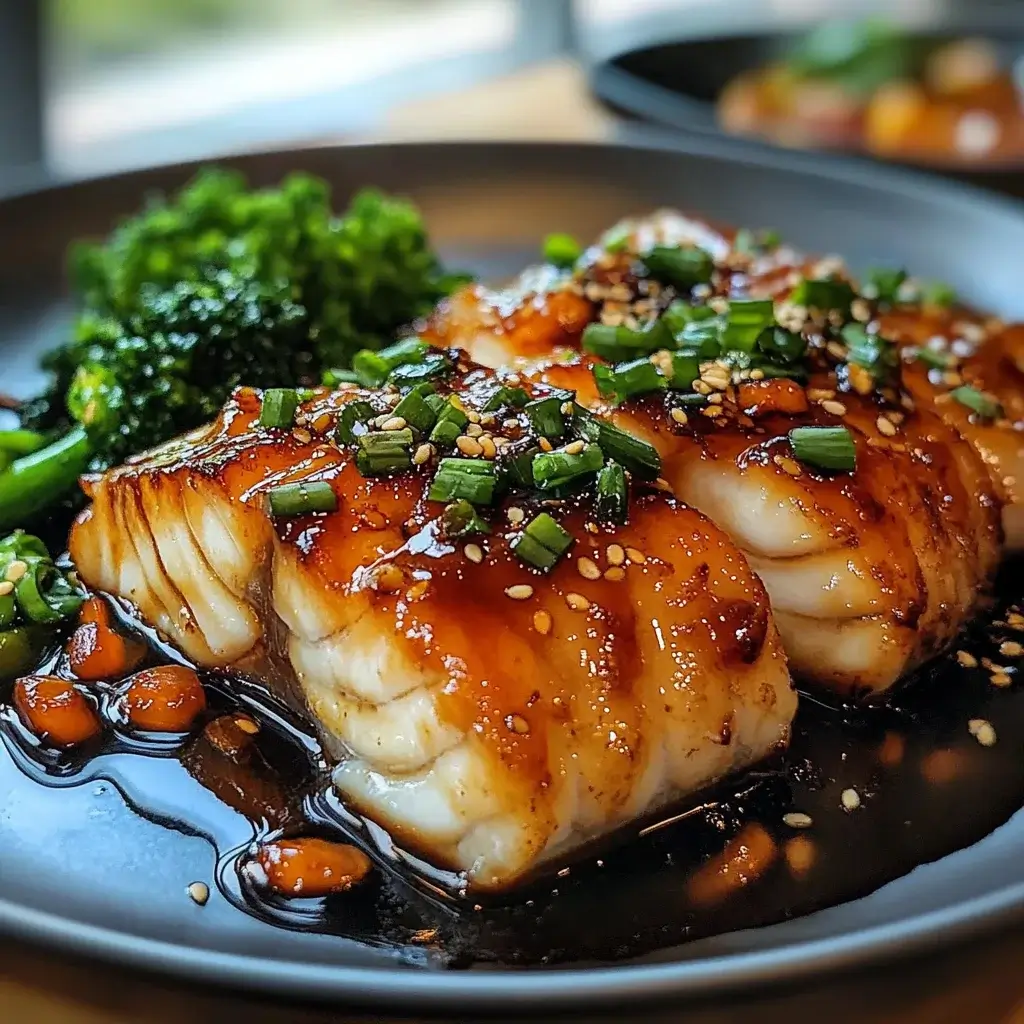

My family are self-proclaimed fish fanatics, but sometimes even we fall into the trap of relying on the same old lemon-herb baked salmon routine. Don’t get me wrong, it’s a classic for a reason, but recently, I was craving something bolder, something that would really wake up our taste buds. That’s when I stumbled upon this Sticky Ginger Soy Glazed Fish Feast recipe, and let me tell you, it was a game-changer. From the moment the aroma of ginger and soy started wafting through the kitchen, I knew we were in for a treat. The glaze, a perfect balance of savory, sweet, and spicy, caramelized beautifully over the flaky white fish, creating a truly irresistible dish. Even my pickiest eater, who usually shies away from anything remotely “saucy,” devoured every last bite. The sticky, flavorful coating is so addictive, and the best part? It’s surprisingly easy to make. This recipe has quickly become a weeknight staple in our home, and I’m excited to share it with you so you can experience the same joy and flavor explosion! It’s not just a meal; it’s a culinary adventure that’s both healthy and utterly satisfying. Get ready to elevate your fish game!
Ingredients
To create this Sticky Ginger Soy Glazed Fish Feast, you’ll need a selection of fresh, high-quality ingredients. The magic of this recipe lies in the harmonious blend of flavors, so using fresh and flavorful components is key to achieving that perfect balance. Let’s break down each ingredient and explore why it plays a vital role in this dish:
- Fish Fillets (1.5 – 2 lbs): The star of the show! For this recipe, you have a wonderful array of fish options to choose from. Firm white fish fillets work exceptionally well as they hold their shape and texture beautifully during cooking and absorb the glaze without becoming mushy. Excellent choices include:
- Cod: A classic choice, cod is mild, flaky, and readily available. Its delicate flavor allows the glaze to truly shine. Look for thicker fillets for the best results, as they tend to stay moister.
- Halibut: A premium option, halibut boasts a firm, meaty texture and a slightly sweeter flavor. It’s a bit more expensive but worth the splurge for a special occasion. Halibut fillets are typically thicker and can handle the glaze and cooking process perfectly.
- Sea Bass: Known for its buttery texture and rich flavor, sea bass is another fantastic choice. Its slightly oily nature keeps it moist and succulent even when baked or grilled. Both Chilean sea bass (Patagonian toothfish) and black sea bass work well, though be mindful of sustainability concerns when choosing Chilean sea bass.
- Snapper: A versatile and flavorful fish, snapper offers a slightly sweet and nutty taste. It cooks quickly and has a lovely flaky texture that complements the sticky glaze. Red snapper and lane snapper are great options.
- Mahi-Mahi (Dorado): This tropical fish has a mild, slightly sweet flavor and a firm texture that holds up well to grilling or baking. Mahi-mahi is a good source of lean protein and omega-3 fatty acids.
- Salmon (for a richer flavor profile): While white fish is traditionally recommended, salmon can also be used for a richer, oilier, and more intensely flavored dish. The glaze works beautifully with the richness of salmon, creating a delightful contrast. If using salmon, consider using slightly less soy sauce to balance the stronger fish flavor.
- Soy Sauce (1/2 cup): The foundation of our savory glaze! Soy sauce provides that essential umami depth and saltiness.
- Regular Soy Sauce: Offers a robust, classic soy sauce flavor.
- Low-Sodium Soy Sauce: A healthier option if you’re watching your sodium intake. The flavor difference is minimal, and you can always adjust the saltiness to your preference later.
- Tamari (Gluten-Free): For those with gluten sensitivities, tamari is a fantastic gluten-free alternative to soy sauce, made from fermented soybeans. It often has a richer, slightly less salty flavor than traditional soy sauce.
- Fresh Ginger (2 tablespoons, grated): The star of the aromatic show! Fresh ginger brings a warm, spicy, and slightly citrusy note that is crucial for the glaze’s complexity. Use a microplane or fine grater to grate the ginger finely. Avoid using powdered ginger as a direct substitute, as it lacks the fresh, vibrant flavor of fresh ginger. If you must use powdered ginger in a pinch, start with 1 teaspoon and adjust to taste, but fresh is always superior.
- Garlic (2 cloves, minced): Garlic is a flavor enhancer that adds depth and pungency to the glaze, complementing the ginger and soy sauce beautifully. Freshly minced garlic is recommended for the best flavor. You can use a garlic press, mince it finely with a knife, or use pre-minced garlic from a jar for convenience (though fresh is always preferable).
- Honey or Maple Syrup (1/4 cup): The touch of sweetness that balances the savory elements! Honey or maple syrup adds a delightful sweetness to the glaze and helps it caramelize beautifully during cooking, creating that irresistible sticky texture.
- Honey: Provides a floral sweetness and a slightly thicker consistency to the glaze.
- Maple Syrup: Offers a more nuanced, caramel-like sweetness. Use pure maple syrup for the best flavor. Agave nectar can also be used as a vegan alternative, though it is sweeter than honey or maple syrup, so you might want to reduce the amount slightly.
- Rice Vinegar (2 tablespoons): A touch of acidity to brighten the glaze! Rice vinegar adds a subtle tanginess that cuts through the richness of the soy sauce and honey/maple syrup, creating a more balanced flavor profile. Rice vinegar is milder than other types of vinegar, making it perfect for this glaze. If you don’t have rice vinegar, you can use apple cider vinegar or white wine vinegar as substitutes, but use them sparingly as they are more acidic.
- Sesame Oil (1 tablespoon): Toasted sesame oil adds a nutty aroma and flavor that enhances the Asian-inspired profile of the glaze. A little goes a long way with sesame oil, so just a tablespoon is enough to impart its distinctive flavor. Use toasted sesame oil, not regular sesame oil, for the best results.
- Red Pepper Flakes (1/2 teaspoon, or to taste): A hint of heat to add complexity! Red pepper flakes provide a gentle warmth that balances the sweetness and savory notes. Adjust the amount to your spice preference. If you prefer a spicier dish, you can add more red pepper flakes or a pinch of cayenne pepper. For a milder flavor, reduce or omit the red pepper flakes altogether.
- Cornstarch (1 tablespoon): The thickening agent for our sticky glaze! Cornstarch helps to thicken the glaze to that perfect sticky consistency. We will create a cornstarch slurry by mixing it with a bit of cold water to prevent lumps.
- Water (2 tablespoons, for cornstarch slurry): Used to create the cornstarch slurry. Cold water is essential to prevent the cornstarch from clumping when added to the hot glaze.
- Optional Garnish:
- Sesame Seeds: Toasted sesame seeds add a nutty crunch and visual appeal.
- Chopped Green Onions (Scallions): Fresh green onions provide a mild oniony flavor and a pop of color.
- Fresh Cilantro or Parsley: Chopped fresh herbs add a fresh, vibrant finish.
- Lemon or Lime Wedges: A squeeze of citrus juice at the end brightens the flavors and adds a final touch of freshness.
Instructions
Creating this Sticky Ginger Soy Glazed Fish Feast is surprisingly straightforward. Follow these step-by-step instructions to achieve perfectly glazed and flavorful fish every time:
- Prepare the Glaze: In a medium saucepan, whisk together the soy sauce, grated fresh ginger, minced garlic, honey or maple syrup, rice vinegar, sesame oil, and red pepper flakes. This is the flavor base of our dish, so ensure all ingredients are well combined.
- Simmer the Glaze: Place the saucepan over medium heat and bring the glaze to a gentle simmer. Simmer for about 5-7 minutes, allowing the flavors to meld and deepen. You’ll notice the aroma become more pronounced as the glaze heats up. Stir occasionally to prevent sticking.
- Thicken the Glaze: In a small bowl, whisk together the cornstarch and cold water until smooth to create a cornstarch slurry. This slurry will thicken our glaze to that desirable sticky consistency. Gradually pour the cornstarch slurry into the simmering glaze, whisking constantly to prevent lumps from forming.
- Continue Simmering: Continue to simmer the glaze for another 2-3 minutes, or until it has thickened slightly and coats the back of a spoon. The glaze should become glossy and have a slightly syrupy texture. Be careful not to over-thicken it, as it will continue to thicken slightly as it cools. Remove the saucepan from the heat and set aside.
- Prepare the Fish: Preheat your oven to 400°F (200°C). Line a baking sheet with parchment paper or foil for easy cleanup. Pat the fish fillets dry with paper towels. This removes excess moisture and helps the glaze adhere better to the fish. Arrange the fish fillets in a single layer on the prepared baking sheet.
- Glaze the Fish: Generously brush the sticky ginger soy glaze over the top and sides of each fish fillet, ensuring they are well coated. Reserve some of the glaze for basting later and for serving. Don’t be shy with the glaze – it’s what makes this dish so flavorful!
- Bake the Fish: Place the baking sheet in the preheated oven and bake for 12-15 minutes, or until the fish is cooked through and flakes easily with a fork. The cooking time will vary slightly depending on the thickness of your fish fillets. Check for doneness around the 12-minute mark and adjust the baking time accordingly. Avoid overcooking, as fish can become dry.
- Baste and Finish: During the last 5 minutes of baking, brush the fish fillets with more of the reserved glaze. This will create a beautiful, glossy, and extra flavorful finish. If you want a slightly caramelized top, you can broil the fish for the last 1-2 minutes, watching carefully to prevent burning.
- Serve and Garnish: Carefully remove the baking sheet from the oven. Garnish the Sticky Ginger Soy Glazed Fish Feast with sesame seeds, chopped green onions, and fresh cilantro or parsley, if desired. Serve immediately with your favorite side dishes and lemon or lime wedges for squeezing over the fish. Drizzle any remaining glaze over the fish just before serving for extra flavor.
Nutrition Facts
This Sticky Ginger Soy Glazed Fish Feast is not only delicious but also a relatively healthy meal option, packed with lean protein and flavorful ingredients. Please note that these are estimated values and can vary based on the specific ingredients used and portion sizes.
- Servings: Approximately 4-6 servings
- Calories per Serving (estimated): 350-450 calories (depending on the type of fish and serving size)Approximate Nutritional Breakdown per Serving (estimated):
- Protein: 30-40g (Excellent source of lean protein from the fish)
- Fat: 15-25g (Varies depending on the type of fish; includes healthy fats, especially if using salmon or sea bass. Fat content will be lower with leaner white fish like cod.)
- Excellent Source of Lean Protein: Fish is a fantastic source of high-quality protein, essential for muscle building, repair, and overall health.
- Rich in Omega-3 Fatty Acids: Many types of fish, especially salmon, sea bass, and mackerel, are rich in omega-3 fatty acids, which are beneficial for heart health, brain function, and reducing inflammation.
- Good Source of Vitamins and Minerals: Fish provides various vitamins and minerals, including vitamin D, vitamin B12, selenium, and iodine.
- Lower in Calories and Saturated Fat (compared to red meat): Choosing fish as your protein source is generally a healthier option compared to red meat, especially when prepared with a flavorful glaze rather than deep-frying.
- Ginger and Garlic Benefits: Ginger and garlic are known for their anti-inflammatory and antioxidant properties, adding extra health benefits to this dish.
- Use low-sodium soy sauce to reduce sodium content.
- Serve with whole grains like brown rice or quinoa for added fiber.
- Pair with plenty of non-starchy vegetables like broccoli, asparagus, or green beans to increase fiber, vitamins, and minerals while keeping calories relatively low.
- Control portion sizes to manage calorie intake effectively.
Preparation Time
The beauty of this Sticky Ginger Soy Glazed Fish Feast is that it’s both incredibly flavorful and relatively quick to prepare, making it perfect for weeknight dinners or weekend gatherings.
- Prep Time: 15-20 minutes (This includes grating ginger, mincing garlic, measuring ingredients, and making the glaze)
- Cook Time: 12-15 minutes (Baking time in the oven, may vary slightly depending on fish thickness)
- Total Time: 27-35 minutes (From start to finish, ready to serve)
Breakdown of Preparation Steps:
- Glaze Preparation (5-7 minutes): Whisking together glaze ingredients and simmering on the stovetop. This is the most time-consuming part of the prep but is crucial for developing the flavor.
- Fish Preparation (5 minutes): Patting fish dry, arranging on baking sheet. Quick and easy.
- Oven Preheating (5-10 minutes): While the oven preheats, you can finish preparing any side dishes or garnishes.
- Baking (12-15 minutes): Hands-off time while the fish bakes in the oven. Perfect time to set the table or finalize side dishes.
Tips for Faster Preparation:
- Use pre-minced garlic and ginger from a jar: While fresh is always best, using pre-minced options can save a few minutes of prep time, especially on busy weeknights.
- Prepare side dishes while the fish bakes: Maximize your time by preparing side dishes while the fish is cooking in the oven.
- Assemble glaze ingredients in advance: If you are very short on time, you can measure out all the glaze ingredients ahead of time and store them together, ready to whisk and simmer when you’re ready to cook.
- Choose thinner fish fillets: Thinner fillets will cook faster, reducing the overall cook time. However, be mindful not to overcook them.
How to Serve
The Sticky Ginger Soy Glazed Fish Feast is incredibly versatile and pairs wonderfully with a variety of side dishes and accompaniments. Here are some delicious serving suggestions to create a complete and satisfying meal:
Classic Asian-Inspired Sides:
- Steamed Rice: Jasmine rice, basmati rice, or even sticky rice are all excellent choices to soak up the flavorful glaze. Rice is a simple and perfect base to complement the richness of the fish.
- Noodles: Consider serving with stir-fried noodles like lo mein, chow mein, or udon noodles. You can add vegetables to the noodles for a more substantial side dish.
- Stir-Fried Vegetables: A medley of colorful stir-fried vegetables like broccoli, bok choy, snap peas, bell peppers, and carrots adds freshness, crunch, and nutritional value. A light soy sauce or garlic sauce would complement the glaze on the fish beautifully.
- Edamame: Steamed or pan-fried edamame (soybeans in pods) sprinkled with sea salt is a healthy and easy side dish.
- Asian Slaw: A refreshing Asian-inspired slaw made with shredded cabbage, carrots, and a light sesame ginger dressing provides a crisp and tangy contrast to the rich fish.
Other Delicious Side Dish Options:
- Roasted Vegetables: Roasted vegetables like asparagus, Brussels sprouts, broccoli, sweet potatoes, or green beans are always a healthy and flavorful choice. Roasting brings out the natural sweetness of vegetables and adds a nice textural contrast to the flaky fish.
- Quinoa or Couscous: For a healthier grain option, serve with quinoa or couscous. These grains are light, fluffy, and absorb flavors well.
- Salad: A simple green salad with a light vinaigrette or a more substantial salad with avocado, tomatoes, and cucumbers can provide a refreshing counterpoint to the richness of the glaze.
- Mashed Sweet Potatoes: Creamy mashed sweet potatoes offer a touch of sweetness and a comforting texture.
Garnishes and Finishing Touches:
- Sesame Seeds: Sprinkle toasted sesame seeds over the fish just before serving for added texture and nutty flavor.
- Chopped Green Onions (Scallions): Freshly chopped green onions add a pop of color and a mild oniony flavor.
- Fresh Cilantro or Parsley: A sprinkle of chopped fresh herbs brightens the dish and adds a touch of freshness.
- Lemon or Lime Wedges: Always offer lemon or lime wedges for squeezing over the fish. The citrus juice enhances the flavors and adds a final touch of brightness.
- Extra Glaze: Serve any remaining glaze on the side for drizzling over the fish and side dishes as desired.
Serving Style:
- Family Style: Place the glazed fish fillets on a platter in the center of the table and arrange side dishes around it. This encourages sharing and creates a convivial dining experience.
- Individual Plates: Plate each serving individually with a fish fillet and portions of your chosen side dishes. This is a more elegant and controlled serving style, perfect for dinner parties or formal occasions.
Additional Tips for Success
To ensure your Sticky Ginger Soy Glazed Fish Feast is a resounding success, consider these helpful tips and tricks:
- Don’t Overcook the Fish: Fish cooks quickly, and overcooked fish can become dry and tough. Bake just until the fish flakes easily with a fork and is opaque throughout. The internal temperature should reach 145°F (63°C). Use a thermometer to check if you’re unsure. It’s better to slightly undercook fish than to overcook it, as it will continue to cook slightly after being removed from the oven.
- Marinate for Deeper Flavor (Optional): While not strictly necessary for this recipe, marinating the fish in a portion of the glaze for 30 minutes to an hour can enhance the flavor even further. If marinating, reserve some fresh glaze for basting and serving, as the marinade will have come into contact with raw fish. Don’t marinate for too long, especially with delicate fish, as the acidity in the glaze can start to break down the fish texture.
- Adjust Spice Level to Your Preference: The recipe calls for 1/2 teaspoon of red pepper flakes, which provides a mild warmth. If you prefer a spicier dish, increase the amount of red pepper flakes or add a pinch of cayenne pepper to the glaze. For a milder flavor, reduce or omit the red pepper flakes entirely. You can also add a dash of Sriracha or chili garlic sauce for extra heat.
- Customize the Glaze: Feel free to experiment with the glaze to create your own signature flavor profile. Try adding a squeeze of orange or lemon juice for extra citrus notes. A teaspoon of grated orange or lemon zest can also add brightness. For a deeper umami flavor, add a teaspoon of fish sauce or oyster sauce (if not vegetarian). You can also adjust the sweetness by slightly increasing or decreasing the honey or maple syrup.
- Make it Ahead (Partially): You can prepare the glaze up to 2-3 days in advance and store it in an airtight container in the refrigerator. This can save time on busy weeknights. When ready to cook, simply reheat the glaze gently on the stovetop or in the microwave. You can also chop vegetables or prepare side dishes ahead of time to streamline the cooking process. However, it’s best to cook the fish fresh for optimal texture and flavor.
FAQ Section
Q1: Can I use frozen fish for this recipe?
A: Yes, you can absolutely use frozen fish. However, it is crucial to thaw the fish completely before cooking. The best way to thaw frozen fish is to place it in the refrigerator overnight. For a quicker thaw, you can place the sealed fish in a zip-top bag and submerge it in cold water for about 30-60 minutes, changing the water every 20 minutes. Never thaw fish at room temperature, as this can promote bacterial growth. Once thawed, pat the fish fillets thoroughly dry with paper towels before marinating or glazing to remove excess moisture and ensure the glaze adheres properly.
Q2: What if I don’t have fresh ginger? Can I use ground ginger?
A: Fresh ginger is highly recommended for this recipe as it provides a vibrant, spicy, and slightly citrusy flavor that is essential to the glaze. However, if you are in a pinch, you can use ground ginger as a substitute. Start with 1 teaspoon of ground ginger for every 2 tablespoons of fresh grated ginger called for in the recipe. Keep in mind that ground ginger has a different flavor profile – it is less bright and more pungent. Taste the glaze and adjust the amount of ground ginger to your preference. If possible, try to use fresh ginger for the best flavor experience.
Q3: How do I make the glaze spicier?
A: If you like your food with a kick, there are several ways to increase the spice level of this glaze. You can:
- Increase the amount of red pepper flakes: Add more than the 1/2 teaspoon called for in the recipe. Start with a small increase and taste as you go.
- Add cayenne pepper: A pinch of cayenne pepper will add a significant amount of heat. Be cautious and add a very small amount at first, tasting and adjusting as needed.
- Include fresh chili peppers: Finely minced fresh chili peppers like jalapeño, serrano, or Thai bird chilies can be added to the glaze for a fresh heat. Remove the seeds for less heat.
- Add Sriracha or chili garlic sauce: A teaspoon or two of Sriracha or chili garlic sauce will add both heat and flavor complexity to the glaze.
Q4: My glaze is too thin/too thick. How can I adjust it?
A: Achieving the perfect glaze consistency is key. Here’s how to troubleshoot:
- If the glaze is too thin: Continue simmering the glaze for a few more minutes over medium heat, stirring occasionally. This will allow more liquid to evaporate and the glaze to thicken naturally. If it’s still too thin after simmering for a while, you can make a small additional cornstarch slurry (1/2 teaspoon cornstarch with 1 teaspoon cold water) and whisk it into the simmering glaze. Simmer for another minute or two until it thickens to your desired consistency.
- If the glaze is too thick: If the glaze becomes too thick, you can thin it out by adding a tablespoon or two of water or soy sauce. Whisk it in and simmer for a minute or two until it reaches the desired consistency. Adding a touch of rice vinegar can also help to thin it slightly while maintaining flavor.
Q5: Can I make this recipe vegetarian or vegan?
A: While this recipe is designed for fish, you can adapt the delicious glaze for vegetarian or vegan options. Here are a few ideas:
- Tofu: Use firm or extra-firm tofu, pressed to remove excess water and cut into fillets or cubes. Pan-fry or bake the tofu until lightly golden, then glaze it with the sticky ginger soy glaze and bake or broil briefly to caramelize the glaze.
- Mushrooms: Large portobello mushrooms or thick slices of king oyster mushrooms are great vegetarian alternatives. Grill, pan-fry, or bake the mushrooms until tender, then glaze them and continue cooking briefly to set the glaze.
- Tempeh: Tempeh, a fermented soybean cake, has a firm texture that holds up well to glazing. Steam or pan-fry tempeh slices, then glaze and bake or broil.
- Cauliflower Steaks: Thick slices of cauliflower can be roasted until tender and slightly caramelized, then glazed for a flavorful vegetarian option.
Sticky Ginger Soy Glazed Fish Feast
Ingredients
To create this Sticky Ginger Soy Glazed Fish Feast, you’ll need a selection of fresh, high-quality ingredients. The magic of this recipe lies in the harmonious blend of flavors, so using fresh and flavorful components is key to achieving that perfect balance. Let’s break down each ingredient and explore why it plays a vital role in this dish:
- Fish Fillets (1.5 – 2 lbs): The star of the show! For this recipe, you have a wonderful array of fish options to choose from. Firm white fish fillets work exceptionally well as they hold their shape and texture beautifully during cooking and absorb the glaze without becoming mushy. Excellent choices include:
- Cod: A classic choice, cod is mild, flaky, and readily available. Its delicate flavor allows the glaze to truly shine. Look for thicker fillets for the best results, as they tend to stay moister.
- Halibut: A premium option, halibut boasts a firm, meaty texture and a slightly sweeter flavor. It’s a bit more expensive but worth the splurge for a special occasion. Halibut fillets are typically thicker and can handle the glaze and cooking process perfectly.
- Sea Bass: Known for its buttery texture and rich flavor, sea bass is another fantastic choice. Its slightly oily nature keeps it moist and succulent even when baked or grilled. Both Chilean sea bass (Patagonian toothfish) and black sea bass work well, though be mindful of sustainability concerns when choosing Chilean sea bass.
- Snapper: A versatile and flavorful fish, snapper offers a slightly sweet and nutty taste. It cooks quickly and has a lovely flaky texture that complements the sticky glaze. Red snapper and lane snapper are great options.
- Mahi-Mahi (Dorado): This tropical fish has a mild, slightly sweet flavor and a firm texture that holds up well to grilling or baking. Mahi-mahi is a good source of lean protein and omega-3 fatty acids.
- Salmon (for a richer flavor profile): While white fish is traditionally recommended, salmon can also be used for a richer, oilier, and more intensely flavored dish. The glaze works beautifully with the richness of salmon, creating a delightful contrast. If using salmon, consider using slightly less soy sauce to balance the stronger fish flavor.
Ensure your fish fillets are skinless and boneless for easy preparation and optimal glaze absorption. Fresh is always best, but if using frozen fish, make sure it is completely thawed and patted dry with paper towels before marinating. This removes excess moisture and allows the glaze to adhere properly.
- Soy Sauce (1/2 cup): The foundation of our savory glaze! Soy sauce provides that essential umami depth and saltiness.
- Regular Soy Sauce: Offers a robust, classic soy sauce flavor.
- Low-Sodium Soy Sauce: A healthier option if you’re watching your sodium intake. The flavor difference is minimal, and you can always adjust the saltiness to your preference later.
- Tamari (Gluten-Free): For those with gluten sensitivities, tamari is a fantastic gluten-free alternative to soy sauce, made from fermented soybeans. It often has a richer, slightly less salty flavor than traditional soy sauce.
- Fresh Ginger (2 tablespoons, grated): The star of the aromatic show! Fresh ginger brings a warm, spicy, and slightly citrusy note that is crucial for the glaze’s complexity. Use a microplane or fine grater to grate the ginger finely. Avoid using powdered ginger as a direct substitute, as it lacks the fresh, vibrant flavor of fresh ginger. If you must use powdered ginger in a pinch, start with 1 teaspoon and adjust to taste, but fresh is always superior.
- Garlic (2 cloves, minced): Garlic is a flavor enhancer that adds depth and pungency to the glaze, complementing the ginger and soy sauce beautifully. Freshly minced garlic is recommended for the best flavor. You can use a garlic press, mince it finely with a knife, or use pre-minced garlic from a jar for convenience (though fresh is always preferable).
- Honey or Maple Syrup (1/4 cup): The touch of sweetness that balances the savory elements! Honey or maple syrup adds a delightful sweetness to the glaze and helps it caramelize beautifully during cooking, creating that irresistible sticky texture.
- Honey: Provides a floral sweetness and a slightly thicker consistency to the glaze.
- Maple Syrup: Offers a more nuanced, caramel-like sweetness. Use pure maple syrup for the best flavor. Agave nectar can also be used as a vegan alternative, though it is sweeter than honey or maple syrup, so you might want to reduce the amount slightly.
- Rice Vinegar (2 tablespoons): A touch of acidity to brighten the glaze! Rice vinegar adds a subtle tanginess that cuts through the richness of the soy sauce and honey/maple syrup, creating a more balanced flavor profile. Rice vinegar is milder than other types of vinegar, making it perfect for this glaze. If you don’t have rice vinegar, you can use apple cider vinegar or white wine vinegar as substitutes, but use them sparingly as they are more acidic.
- Sesame Oil (1 tablespoon): Toasted sesame oil adds a nutty aroma and flavor that enhances the Asian-inspired profile of the glaze. A little goes a long way with sesame oil, so just a tablespoon is enough to impart its distinctive flavor. Use toasted sesame oil, not regular sesame oil, for the best results.
- Red Pepper Flakes (1/2 teaspoon, or to taste): A hint of heat to add complexity! Red pepper flakes provide a gentle warmth that balances the sweetness and savory notes. Adjust the amount to your spice preference. If you prefer a spicier dish, you can add more red pepper flakes or a pinch of cayenne pepper. For a milder flavor, reduce or omit the red pepper flakes altogether.
- Cornstarch (1 tablespoon): The thickening agent for our sticky glaze! Cornstarch helps to thicken the glaze to that perfect sticky consistency. We will create a cornstarch slurry by mixing it with a bit of cold water to prevent lumps.
- Water (2 tablespoons, for cornstarch slurry): Used to create the cornstarch slurry. Cold water is essential to prevent the cornstarch from clumping when added to the hot glaze.
- Optional Garnish:
- Sesame Seeds: Toasted sesame seeds add a nutty crunch and visual appeal.
- Chopped Green Onions (Scallions): Fresh green onions provide a mild oniony flavor and a pop of color.
- Fresh Cilantro or Parsley: Chopped fresh herbs add a fresh, vibrant finish.
- Lemon or Lime Wedges: A squeeze of citrus juice at the end brightens the flavors and adds a final touch of freshness.
Instructions
Creating this Sticky Ginger Soy Glazed Fish Feast is surprisingly straightforward. Follow these step-by-step instructions to achieve perfectly glazed and flavorful fish every time:
- Prepare the Glaze: In a medium saucepan, whisk together the soy sauce, grated fresh ginger, minced garlic, honey or maple syrup, rice vinegar, sesame oil, and red pepper flakes. This is the flavor base of our dish, so ensure all ingredients are well combined.
- Simmer the Glaze: Place the saucepan over medium heat and bring the glaze to a gentle simmer. Simmer for about 5-7 minutes, allowing the flavors to meld and deepen. You’ll notice the aroma become more pronounced as the glaze heats up. Stir occasionally to prevent sticking.
- Thicken the Glaze: In a small bowl, whisk together the cornstarch and cold water until smooth to create a cornstarch slurry. This slurry will thicken our glaze to that desirable sticky consistency. Gradually pour the cornstarch slurry into the simmering glaze, whisking constantly to prevent lumps from forming.
- Continue Simmering: Continue to simmer the glaze for another 2-3 minutes, or until it has thickened slightly and coats the back of a spoon. The glaze should become glossy and have a slightly syrupy texture. Be careful not to over-thicken it, as it will continue to thicken slightly as it cools. Remove the saucepan from the heat and set aside.
- Prepare the Fish: Preheat your oven to 400°F (200°C). Line a baking sheet with parchment paper or foil for easy cleanup. Pat the fish fillets dry with paper towels. This removes excess moisture and helps the glaze adhere better to the fish. Arrange the fish fillets in a single layer on the prepared baking sheet.
- Glaze the Fish: Generously brush the sticky ginger soy glaze over the top and sides of each fish fillet, ensuring they are well coated. Reserve some of the glaze for basting later and for serving. Don’t be shy with the glaze – it’s what makes this dish so flavorful!
- Bake the Fish: Place the baking sheet in the preheated oven and bake for 12-15 minutes, or until the fish is cooked through and flakes easily with a fork. The cooking time will vary slightly depending on the thickness of your fish fillets. Check for doneness around the 12-minute mark and adjust the baking time accordingly. Avoid overcooking, as fish can become dry.
- Baste and Finish: During the last 5 minutes of baking, brush the fish fillets with more of the reserved glaze. This will create a beautiful, glossy, and extra flavorful finish. If you want a slightly caramelized top, you can broil the fish for the last 1-2 minutes, watching carefully to prevent burning.
- Serve and Garnish: Carefully remove the baking sheet from the oven. Garnish the Sticky Ginger Soy Glazed Fish Feast with sesame seeds, chopped green onions, and fresh cilantro or parsley, if desired. Serve immediately with your favorite side dishes and lemon or lime wedges for squeezing over the fish. Drizzle any remaining glaze over the fish just before serving for extra flavor.
Nutrition
- Serving Size: one normal portion
- Calories: 450
- Fat: 25g
- Protein: 40g