
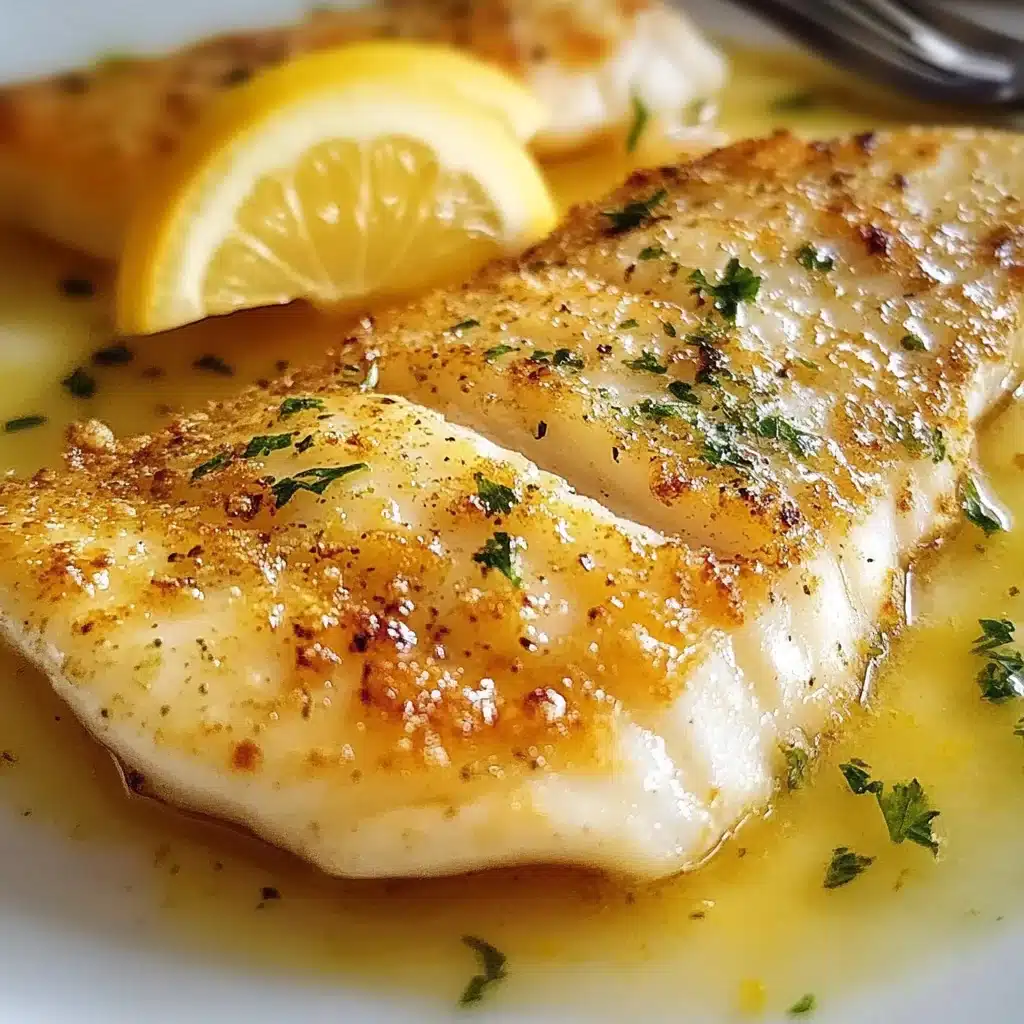
The first time I made this Crispy Lemon Garlic Fish Fillet, it was a revelation. I’d been searching for a fish recipe that was quick enough for a weeknight, yet impressive enough for guests, and crucially, one that my kids would actually eat without complaint. This recipe ticked all the boxes and then some. The kitchen filled with the most incredible aroma of zesty lemon and pungent garlic as the fish sizzled away, developing a perfectly golden and audibly crispy crust. The real magic, though, was the fish itself – unbelievably flaky and moist on the inside, a beautiful contrast to that crunchy exterior. When I served it, even my pickiest eater took a bite, then another, and then actually asked for seconds! My husband, a self-proclaimed fish aficionado, declared it one of the best fish dishes he’d ever had, praising the bright, fresh flavors and the satisfying texture. Since that first success, this recipe has become a cherished staple in our home. It’s our go-to for a healthy, flavorful meal that feels a bit special without requiring hours in the kitchen. The simplicity of the ingredients belies the incredible taste, proving that sometimes, the most straightforward dishes are truly the most spectacular.
Ingredients
- 4 (6-ounce) white fish fillets: Such as cod, tilapia, halibut, or snapper, about 1-inch thick. Pat them thoroughly dry for maximum crispiness.
- 1/2 cup all-purpose flour: This forms the base of our dredge for a light, even coating.
- 1 teaspoon garlic powder: For an initial layer of savory garlic flavor.
- 1 teaspoon onion powder: Adds a subtle, aromatic depth.
- 1/2 teaspoon paprika: Contributes a mild sweetness and beautiful color to the crust.
- Salt and freshly ground black pepper: To taste, for seasoning the fish and the flour mixture.
- 2 large eggs: Lightly beaten, to help the breadcrumbs adhere to the fish.
- 1 cup panko breadcrumbs: These Japanese-style breadcrumbs are key for an extra crispy texture.
- 1/4 cup grated Parmesan cheese: (Optional, but highly recommended) Adds a salty, umami kick to the crust.
- 3 tablespoons olive oil or avocado oil: For pan-frying, choose an oil with a relatively high smoke point.
- 3 tablespoons unsalted butter: Adds richness and flavor to the pan sauce.
- 4 cloves garlic, minced: Fresh garlic is essential here for the vibrant sauce.
- 1/4 cup dry white wine or chicken broth: To deglaze the pan and form the base of the sauce.
- 1/4 cup freshly squeezed lemon juice: The star ingredient for that bright, zesty flavor. Use fresh for the best taste.
- 2 tablespoons fresh parsley, chopped: For garnish and a touch of freshness.
- Lemon wedges: For serving, allowing everyone to add an extra squeeze if desired.
Instructions
- Prepare the Fish: Gently pat the fish fillets completely dry with paper towels. This is crucial for achieving a crispy crust. Season both sides of each fillet generously with salt and pepper.
- Set Up Dredging Stations: You’ll need three shallow dishes or plates.
- Dish 1: Combine the all-purpose flour, garlic powder, onion powder, and paprika. Season with a little more salt and pepper. Mix well.
- Dish 2: Lightly beat the eggs.
- Dish 3: Combine the panko breadcrumbs and grated Parmesan cheese (if using). Mix well.
- Dredge the Fish: Working with one fillet at a time, first dredge it in the seasoned flour mixture, ensuring it’s lightly coated on all sides. Shake off any excess flour. Next, dip the floured fillet into the beaten eggs, allowing any excess egg to drip off. Finally, press the fillet firmly into the panko-Parmesan mixture, ensuring an even and generous coating on all sides. Set the breaded fillets aside on a clean plate or baking sheet.
- Cook the Fish (Pan-Frying Method):
- Heat the olive oil (or avocado oil) in a large, heavy-bottomed skillet (cast iron works wonderfully) over medium-high heat. The oil should be hot enough that a breadcrumb sizzles immediately when dropped in.
- Carefully place two fish fillets in the hot skillet, ensuring not to overcrowd the pan (cook in batches if necessary).
- Cook for 3-5 minutes per side, or until the crust is deeply golden brown and crispy, and the fish is cooked through and flakes easily with a fork. The internal temperature should reach 145°F (63°C). Avoid moving the fish too much while it’s searing to develop a good crust.
- Once cooked, transfer the fish fillets to a wire rack set over a baking sheet to keep them crispy. Tent loosely with foil to keep warm while you cook the remaining fillets and make the sauce.
- Make the Lemon Garlic Butter Sauce:
- Once all fish is cooked and removed from the skillet, reduce the heat to medium-low. If there are too many burnt bits in the pan, carefully wipe it out with a paper towel (use tongs!).
- Add the unsalted butter to the skillet. Once melted, add the minced garlic and cook for about 1 minute, stirring constantly, until fragrant. Be careful not to burn the garlic.
- Pour in the white wine (or chicken broth) to deglaze the pan, scraping up any browned bits from the bottom of the skillet with a wooden spoon. Let the liquid simmer and reduce slightly for about 1-2 minutes.
- Stir in the freshly squeezed lemon juice. Bring the sauce to a gentle simmer and cook for another minute or two, allowing it to thicken slightly.
- Taste the sauce and adjust seasoning if necessary, adding more salt, pepper, or a tiny pinch of sugar if it’s too tart for your liking.
- Serve: Arrange the crispy fish fillets on serving plates. Spoon the warm lemon garlic butter sauce generously over each fillet. Garnish with freshly chopped parsley and serve immediately with extra lemon wedges on the side.
Nutrition Facts
- Servings: 4
- Calories per serving: Approximately 450-550 calories (This can vary based on the type and exact size of fish fillet, and the amount of oil absorbed).
- Protein: High in protein, crucial for muscle repair and satiety.
- Healthy Fats: Contains beneficial fats from the olive oil and the fish itself (especially if using a fish like salmon, though this recipe leans towards white fish).
- Carbohydrates: Moderate, primarily from the breading.
- Sodium: Can be controlled by adjusting the amount of salt added during seasoning.
Preparation Time
- Prep Time: Approximately 20 minutes (includes patting dry fish, setting up dredging stations, and breading the fish).
- Cook Time: Approximately 15-20 minutes (includes pan-frying the fish in batches and making the sauce).
- Total Time: Approximately 35-40 minutes. This makes it an excellent option for a relatively quick and impressive weeknight dinner or a relaxed weekend meal.
How to Serve
This Crispy Lemon Garlic Fish Fillet is wonderfully versatile. Here are some serving suggestions to create a complete and satisfying meal:
- Classic Comfort:
- Serve over a bed of creamy mashed potatoes to soak up the delicious lemon garlic sauce.
- Pair with simple steamed green beans or roasted asparagus tossed with a little olive oil, salt, and pepper.
- Lighter Fare:
- Accompany with a vibrant quinoa salad dressed with a light vinaigrette.
- Serve alongside a fresh garden salad with mixed greens, cherry tomatoes, cucumbers, and a lemon-tahini dressing.
- Mediterranean Twist:
- Place the fish on a pile of fluffy couscous infused with herbs like parsley and mint.
- Offer a side of roasted Mediterranean vegetables like zucchini, bell peppers, and red onion.
- Grain Bowls:
- Create a deconstructed bowl with a base of brown rice or farro, the crispy fish, some sautéed spinach or kale, and a dollop of Greek yogurt or tzatziki.
- Pasta Pairing:
- Serve with a simple lemon butter pasta or an aglio e olio (garlic and oil) spaghetti. The sauce from the fish will beautifully complement the pasta.
- Garnishes for Extra Flair:
- Always include fresh lemon wedges for squeezing over the fish just before eating.
- A sprinkle of extra fresh parsley or even dill can brighten the dish.
- A few capers added to the sauce at the end can provide a lovely briny pop.
Additional Tips
- Choosing Your Fish: While the recipe suggests cod, tilapia, halibut, or snapper, other firm white fish like haddock, pollock, or even catfish fillets (if you enjoy them) can work. Aim for fillets that are relatively uniform in thickness for even cooking.
- Don’t Skip Patting Dry: This is non-negotiable for crispiness. Moisture is the enemy of a crispy crust. Use multiple paper towels if needed to get the fillets as dry as possible.
- Hot Pan, Hot Oil: Ensure your oil is sufficiently hot before adding the fish. If it’s not hot enough, the fish will absorb too much oil and become greasy rather than crispy. A good test is to flick a tiny bit of breadcrumb into the oil; it should sizzle vigorously.
- Don’t Overcrowd the Pan: Cooking in batches is key. Overcrowding lowers the oil temperature, leading to steaming rather than frying, resulting in soggy fish. Give each fillet enough space.
- Panko is Preferred: While regular breadcrumbs can be used in a pinch, panko breadcrumbs are specifically designed to be lighter and airier, creating a much crispier and more delicate crust.
- Check for Doneness Wisely: Fish cooks quickly. The best way to check for doneness is to gently insert a fork into the thickest part of the fillet and twist. If it flakes easily and is opaque throughout, it’s done. An instant-read thermometer should register 145°F (63°C).
- Rest on a Wire Rack: Placing cooked fish directly on a plate will trap steam underneath, making the bottom crust soggy. A wire rack allows air to circulate, keeping all sides crispy.
- Sauce Customization: Feel free to adjust the sauce. A splash of cream can make it richer. A pinch of red pepper flakes can add a little heat. Capers or chopped olives can introduce a briny note.
FAQ Section
Q1: Can I use frozen fish fillets for this recipe?
A1: Yes, you can use frozen fish fillets. However, it’s crucial to thaw them completely and correctly before use. Thaw them overnight in the refrigerator or, for a quicker method, in a sealed bag submerged in cold water (change the water every 30 minutes). Once thawed, pat them extra thoroughly dry with paper towels, as frozen fish tends to release more moisture.
Q2: My fish didn’t get crispy. What went wrong?
A2: Several factors could be at play:
* Moisture: The fish wasn’t patted dry enough.
* Oil Temperature: The oil wasn’t hot enough when you added the fish.
* Overcrowding: Too many fillets in the pan at once lowered the oil temperature.
* Wrong Breadcrumbs: You might have used fine breadcrumbs instead of panko, which gives the best crisp.
* Not Resting on a Rack: Placing cooked fish directly on a plate can steam the bottom crust.
Q3: Can I bake these fish fillets instead of pan-frying?
A3: Yes, baking is a great alternative, though the crispiness might be slightly different. To bake:
* Preheat your oven to 400°F (200°C).
* Place the breaded fillets on a wire rack set inside a baking sheet (this helps air circulate for crispier results).
* You can lightly spray the tops of the fillets with cooking spray for extra crispiness and color.
* Bake for 12-18 minutes, or until the fish is cooked through and the coating is golden. The exact time will depend on the thickness of your fillets. You can flip them halfway through for more even browning. Prepare the sauce separately on the stovetop as directed.
Q4: What’s the best type of white fish to use for ultimate crispiness and flavor?
A4: Cod is a popular choice as it’s firm, flaky, and mild, holding up well to breading and frying. Tilapia is also good for a budget-friendly option, though it can be thinner. Halibut is more premium, very firm, and delicious. Snapper offers a slightly sweeter flavor. Ultimately, choose a firm-fleshed white fish that you enjoy.
Q5: Can I make this recipe gluten-free?
A5: Absolutely! Substitute the all-purpose flour with a good quality gluten-free all-purpose flour blend. For the breadcrumbs, use gluten-free panko breadcrumbs (widely available) or crush gluten-free crackers or cornflakes for a similar crunchy texture. Ensure your Parmesan cheese is also certified gluten-free if celiac.
Q6: How do I store and reheat leftovers?
A6: Store leftover fish in an airtight container in the refrigerator for up to 2 days. To reheat and try to retain some crispiness, it’s best to use an oven or air fryer. Preheat to 350°F (175°C) and heat for 10-15 minutes, or until warmed through. Microwaving is not recommended as it will make the crust soggy. The sauce can be gently reheated on the stovetop or in the microwave.
Q7: Can I prepare the fish ahead of time?
A7: You can bread the fish fillets a few hours in advance. Lay them in a single layer on a baking sheet, cover loosely with plastic wrap, and refrigerate. However, for the best, crispiest results, it’s ideal to cook them just before serving. The sauce can also be made ahead and gently reheated.
Q8: I don’t have fresh lemon juice. Can I use bottled?
A8: While fresh lemon juice is highly recommended for its bright, vibrant flavor, you can use bottled lemon juice in a pinch. Be aware that bottled juice can sometimes be more acidic or have a slightly different taste profile. You might want to start with a little less and add more to taste. If using bottled, ensure it’s 100% pure lemon juice without added sugars or preservatives.

Crispy Lemon Garlic Fish Fillet
Ingredients
- 4 (6-ounce) white fish fillets: Such as cod, tilapia, halibut, or snapper, about 1-inch thick. Pat them thoroughly dry for maximum crispiness.
- 1/2 cup all-purpose flour: This forms the base of our dredge for a light, even coating.
- 1 teaspoon garlic powder: For an initial layer of savory garlic flavor.
- 1 teaspoon onion powder: Adds a subtle, aromatic depth.
- 1/2 teaspoon paprika: Contributes a mild sweetness and beautiful color to the crust.
- Salt and freshly ground black pepper: To taste, for seasoning the fish and the flour mixture.
- 2 large eggs: Lightly beaten, to help the breadcrumbs adhere to the fish.
- 1 cup panko breadcrumbs: These Japanese-style breadcrumbs are key for an extra crispy texture.
- 1/4 cup grated Parmesan cheese: (Optional, but highly recommended) Adds a salty, umami kick to the crust.
- 3 tablespoons olive oil or avocado oil: For pan-frying, choose an oil with a relatively high smoke point.
- 3 tablespoons unsalted butter: Adds richness and flavor to the pan sauce.
- 4 cloves garlic, minced: Fresh garlic is essential here for the vibrant sauce.
- 1/4 cup dry white wine or chicken broth: To deglaze the pan and form the base of the sauce.
- 1/4 cup freshly squeezed lemon juice: The star ingredient for that bright, zesty flavor. Use fresh for the best taste.
- 2 tablespoons fresh parsley, chopped: For garnish and a touch of freshness.
- Lemon wedges: For serving, allowing everyone to add an extra squeeze if desired.
Instructions
- Prepare the Fish: Gently pat the fish fillets completely dry with paper towels. This is crucial for achieving a crispy crust. Season both sides of each fillet generously with salt and pepper.
- Set Up Dredging Stations: You’ll need three shallow dishes or plates.
- Dish 1: Combine the all-purpose flour, garlic powder, onion powder, and paprika. Season with a little more salt and pepper. Mix well.
- Dish 2: Lightly beat the eggs.
- Dish 3: Combine the panko breadcrumbs and grated Parmesan cheese (if using). Mix well.
- Dredge the Fish: Working with one fillet at a time, first dredge it in the seasoned flour mixture, ensuring it’s lightly coated on all sides. Shake off any excess flour. Next, dip the floured fillet into the beaten eggs, allowing any excess egg to drip off. Finally, press the fillet firmly into the panko-Parmesan mixture, ensuring an even and generous coating on all sides. Set the breaded fillets aside on a clean plate or baking sheet.
- Cook the Fish (Pan-Frying Method):
- Heat the olive oil (or avocado oil) in a large, heavy-bottomed skillet (cast iron works wonderfully) over medium-high heat. The oil should be hot enough that a breadcrumb sizzles immediately when dropped in.
- Carefully place two fish fillets in the hot skillet, ensuring not to overcrowd the pan (cook in batches if necessary).
- Cook for 3-5 minutes per side, or until the crust is deeply golden brown and crispy, and the fish is cooked through and flakes easily with a fork. The internal temperature should reach 145°F (63°C). Avoid moving the fish too much while it’s searing to develop a good crust.
- Once cooked, transfer the fish fillets to a wire rack set over a baking sheet to keep them crispy. Tent loosely with foil to keep warm while you cook the remaining fillets and make the sauce.
- Make the Lemon Garlic Butter Sauce:
- Once all fish is cooked and removed from the skillet, reduce the heat to medium-low. If there are too many burnt bits in the pan, carefully wipe it out with a paper towel (use tongs!).
- Add the unsalted butter to the skillet. Once melted, add the minced garlic and cook for about 1 minute, stirring constantly, until fragrant. Be careful not to burn the garlic.
- Pour in the white wine (or chicken broth) to deglaze the pan, scraping up any browned bits from the bottom of the skillet with a wooden spoon. Let the liquid simmer and reduce slightly for about 1-2 minutes.
- Stir in the freshly squeezed lemon juice. Bring the sauce to a gentle simmer and cook for another minute or two, allowing it to thicken slightly.
- Taste the sauce and adjust seasoning if necessary, adding more salt, pepper, or a tiny pinch of sugar if it’s too tart for your liking.
- Serve: Arrange the crispy fish fillets on serving plates. Spoon the warm lemon garlic butter sauce generously over each fillet. Garnish with freshly chopped parsley and serve immediately with extra lemon wedges on the side.
Nutrition
- Serving Size: one normal portion
- Calories: 550