

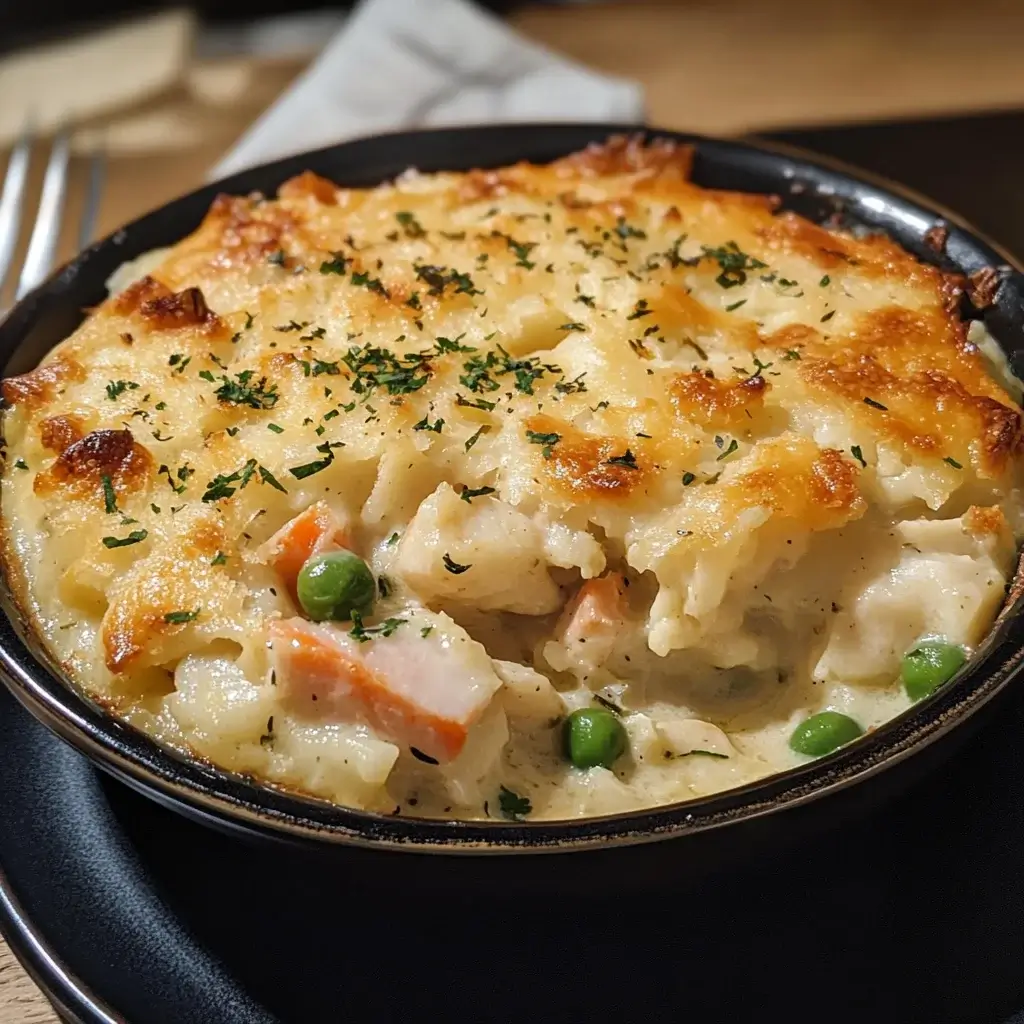

There are few dishes that evoke such a strong sense of comfort and nostalgia for me as a truly magnificent Creamy Fish Pie. I remember rainy Sunday afternoons as a child, the aroma of gently poaching fish and bubbling cheese-topped mash filling our kitchen. It was, and still is, the ultimate hug on a plate. Over the years, I’ve tweaked and perfected my own version, aiming for that perfect balance: flaky fish, succulent prawns, a velvety smooth sauce that coats every morsel without being heavy, all crowned with a fluffy, yet slightly crisp, mashed potato topping. This isn’t just a fish pie recipe; it’s the fish pie recipe that has won over countless family dinners and friendly gatherings in my home. Even my fussiest eater asks for seconds (a minor miracle!), and my partner declares it “restaurant-worthy” – high praise indeed! It takes a little time, yes, but the process is wonderfully therapeutic, and the result is a deeply satisfying, flavour-packed dish that warms you from the inside out. It’s elegant enough for a special occasion but comforting enough for a weeknight treat. Sharing this recipe feels like sharing a piece of home, and I’m genuinely excited for you to try it and create your own delicious memories. Prepare yourself for a creamy, dreamy, utterly delightful fish pie experience.
Ingredients
Here’s what you’ll need to create this comforting classic:
- For the Mashed Potato Topping:
- 1.5 kg (approx. 3.3 lbs) Maris Piper or King Edward potatoes – Chosen for their floury texture, essential for light, fluffy mash.
- 100g (approx. 3.5 oz or 7 tbsp) Unsalted butter, room temperature – Adds richness and flavour to the mash.
- 100ml (approx. 3.4 fl oz or scant ½ cup) Whole milk or single cream, warmed – Helps create a smooth, creamy consistency.
- Salt, to taste – Enhances the flavour of the potatoes.
- Freshly ground black pepper, to taste – Adds a subtle warmth.
- Optional: 50g (approx. 1.8 oz or ½ cup) Grated mature Cheddar cheese or Gruyere – For incorporating into the mash for extra flavour, or sprinkling on top for a golden crust.
- For the Creamy Fish Filling:
- 750ml (approx. 1.3 pints or 3 cups) Whole milk – The base for poaching the fish and creating the creamy sauce.
- 1 Bay leaf – Infuses a subtle aromatic flavour into the milk.
- 4-5 Black peppercorns – Adds a gentle background heat to the poaching liquid.
- 1 Small onion, peeled and halved – Imparts a savoury depth to the milk.
- 700g (approx. 1.5 lbs) Mixed fish fillets, skinless and boneless, cut into large chunks – A good mix is key. Aim for:
- 300g White fish (Cod, Haddock, Pollock) – Provides flaky texture.
- 300g Smoked Haddock (undyed preferable) – Lends essential smoky flavour.
- 100g Salmon – Adds richness and colour.
- 150g (approx. 5.3 oz) Cooked and peeled king prawns – Adds a touch of luxury and sweetness (optional but recommended).
- 75g (approx. 2.6 oz or 5 tbsp) Unsalted butter – Forms the base of the roux for the sauce.
- 75g (approx. 2.6 oz or ½ cup + 1 tbsp) Plain flour (all-purpose flour) – Thickens the sauce.
- 1 tsp Dijon mustard or English mustard – Cuts through the richness and adds a slight tang.
- A generous grating of fresh nutmeg – A classic pairing with creamy sauces, adding warmth.
- 100g (approx. 3.5 oz or ¾ cup) Frozen peas – Adds sweetness and a pop of colour.
- 3 Large hard-boiled eggs, peeled and quartered (optional) – A traditional, comforting addition.
- Large handful of fresh parsley, finely chopped – Brings freshness and colour to the filling.
- Large handful of fresh dill, finely chopped (optional) – Pairs beautifully with fish, adding an aniseed note.
- Salt and freshly ground black pepper, to taste – Crucial for seasoning the final sauce correctly.
- Optional: A splash of double cream (heavy cream) – For an extra luxurious finish to the sauce.
Instructions
Follow these steps carefully for the perfect Creamy Fish Pie:
- Prepare the Mashed Potato Topping: Peel the potatoes and cut them into even-sized chunks (about 1.5-2 inches). Place them in a large saucepan and cover generously with cold salted water. Bring to a boil, then reduce the heat and simmer for 15-20 minutes, or until the potatoes are very tender when pierced with a fork. Be careful not to over-boil, as they can become waterlogged.
- Drain and Mash: Once tender, drain the potatoes thoroughly in a colander, letting them steam dry for a couple of minutes. This step is crucial for removing excess moisture, resulting in fluffier mash. Return the potatoes to the warm pan (off the heat).
- Mash to Perfection: Add the room temperature butter, warmed milk or cream, salt, and pepper to the potatoes. Mash vigorously using a potato masher or ricer until smooth and creamy. Avoid using a food processor, as this can make the mash gluey. If incorporating cheese into the mash, stir it in now until melted. Taste and adjust seasoning if necessary. Cover the mash and set aside, keeping it warm.
- Poach the Fish: While the potatoes are cooking, prepare the fish. Pour the 750ml of whole milk into a wide, shallow pan or deep frying pan. Add the bay leaf, peppercorns, and halved onion. Bring the milk just to a simmer over medium-low heat – do not let it boil rapidly.
- Cook the Fish Gently: Add the mixed fish chunks (cod, haddock, salmon) to the simmering milk. Ensure the fish is mostly submerged. Reduce the heat to low and gently poach for 6-8 minutes, or until the fish is just cooked through and beginning to flake easily. It should still hold its shape. Carefully remove the fish pieces from the milk using a slotted spoon and place them onto a plate. Reserve the poaching milk – this flavourful liquid is the secret to a delicious sauce! Discard the bay leaf, peppercorns, and onion halves.
- Make the Roux: In a large saucepan (you can use the one you cooked the potatoes in after washing it), melt the 75g of unsalted butter over medium heat. Once melted and foaming gently, whisk in the plain flour. Cook the mixture (this is called a roux) for 1-2 minutes, stirring constantly, until it forms a smooth paste and smells slightly nutty. Cooking the flour prevents a raw flour taste in your sauce.
- Create the Béchamel Sauce: Gradually add the reserved warm poaching milk to the roux, a ladleful at a time, whisking continuously after each addition to prevent lumps. Ensure the mixture is smooth before adding more milk. Once all the milk is incorporated, bring the sauce to a gentle simmer, still whisking.
- Thicken and Season the Sauce: Let the sauce simmer gently for 5-8 minutes, stirring frequently (especially around the edges and bottom of the pan) to prevent sticking and allow it to thicken to a consistency similar to double cream (it should coat the back of a spoon). Stir in the Dijon or English mustard and a generous grating of fresh nutmeg. Taste the sauce and season generously with salt and freshly ground black pepper. Remember the smoked haddock will add saltiness, so taste before adding too much salt. If desired, stir in a splash of double cream now for extra richness.
- Combine the Filling: Gently flake the poached fish into large, bite-sized chunks directly into the creamy sauce. Be careful not to break it up too much. Add the cooked king prawns (if using), frozen peas, quartered hard-boiled eggs (if using), chopped fresh parsley, and chopped fresh dill (if using). Gently fold everything together until just combined. You want distinct pieces of fish and egg in a luscious sauce.
- Preheat the Oven & Assemble the Pie: Preheat your oven to 200°C (400°F, Gas Mark 6). Choose a large ovenproof dish (approximately 2-litre capacity, or a 23x33cm / 9×13 inch baking dish). Pour the creamy fish filling evenly into the dish.
- Top with Mash: Spoon the prepared mashed potato evenly over the fish filling, starting from the edges and working inwards to create a seal. Be gentle so the mash doesn’t sink too much into the filling. Spread it out smoothly with the back of a spoon or a palette knife.
- Create Texture: For a lovely crispy, textured topping, run a fork over the surface of the mash to create ridges. If you opted for extra cheese, sprinkle the grated Cheddar or Gruyere evenly over the top now.
- Bake Until Golden: Place the fish pie dish on a baking tray (to catch any potential spills) and bake in the preheated oven for 30-40 minutes, or until the mashed potato topping is beautifully golden brown and crisp, and the filling is bubbling gently around the edges. If the top starts to brown too quickly, you can loosely tent it with foil for the remaining cooking time.
- Rest Before Serving: Once baked, carefully remove the fish pie from the oven. Let it rest for 5-10 minutes before serving. This allows the filling to settle slightly, making it easier to serve and preventing lava-like temperatures! Garnish with a little extra chopped parsley if desired.
Nutrition Facts
- Servings: This recipe typically serves 6 people generously.
- Calories per Serving: Approximately 650-750 kcal (estimated, will vary based on exact ingredients like cream/cheese usage).
Here are 5 key nutritional aspects (approximate values per serving):
- Protein (approx. 45-55g): High in protein, primarily from the diverse mix of fish and prawns, crucial for muscle building, repair, and overall body function.
- Fat (approx. 30-40g): Contains a significant amount of fat, including saturated fats from butter and cream, and beneficial omega-3 fatty acids from salmon. Fat provides energy and aids nutrient absorption.
- Sodium (Moderate to High): The sodium content can be relatively high, especially due to the smoked haddock and added salt. Be mindful when seasoning if sodium intake is a concern.
Disclaimer: Nutritional information is estimated and can vary based on specific ingredients, portion sizes, and preparation methods used.
Preparation Time
- Preparation Time: Approximately 40-50 minutes (includes peeling/chopping potatoes, poaching fish, making the sauce, assembling).
- Cooking Time: Approximately 30-40 minutes (baking time).
- Total Time: Approximately 1 hour 10 minutes to 1 hour 30 minutes.
This timeframe makes it achievable for a weekend dinner or a slightly more involved weeknight meal, offering a truly rewarding culinary experience for the effort involved.
How to Serve
Creamy Fish Pie is a hearty, complete meal in itself, but serving it with the right accompaniments can elevate the experience. Here are some suggestions:
- Steamed Green Vegetables: Simple is often best. Serve alongside:
- Tenderstem broccoli, lightly steamed or boiled.
- Green beans, blanched until just tender-crisp.
- Garden peas (though already in the pie, extra on the side is always welcome!).
- Steamed asparagus spears (when in season).
- Leafy Green Salad: A crisp salad with a light vinaigrette provides a refreshing contrast to the richness of the pie. Think mixed leaves, cucumber, and perhaps some spring onions.
- Crusty Bread: Essential for mopping up every last bit of the delicious creamy sauce from the plate. A chunk of fresh baguette or sourdough works perfectly.
- Pickled Elements: A small side of pickled onions or cornichons can add a sharp, tangy counterpoint.
- Wine Pairing: A medium-bodied dry white wine complements the dish beautifully. Consider:
- Unoaked or lightly oaked Chardonnay
- Sauvignon Blanc
- Pinot Grigio
- Garnish: A final sprinkle of fresh chopped parsley or dill just before serving adds a touch of freshness and visual appeal.
Additional Tips
Here are 8 extra tips to help you perfect your Creamy Fish Pie:
- Fish Flexibility: Don’t be afraid to vary the fish! Use any firm white fish you like (coley, ling, halibut). Ensure you have a good balance – about half white fish and half smoked fish for that signature flavour. You can also add scallops or mussels (add mussels towards the end of sauce cooking).
- Sauce Flavour Boosters: Enhance the sauce flavour by sautéing finely chopped leeks or celery along with the butter before adding the flour. A bay leaf added while the sauce simmers (remove before assembly) also deepens the flavour. A tiny pinch of cayenne pepper can add a subtle warmth without noticeable heat.
- Make-Ahead Magic: You can assemble the entire fish pie (filling and mash topping) up to a day in advance. Cover it tightly with cling film or foil and refrigerate. When ready to bake, remove it from the fridge about 30 minutes beforehand, then bake as directed, potentially adding 10-15 minutes to the cooking time to ensure it’s heated through.
- Freezing for Later: Fish pie freezes exceptionally well. Assemble the pie completely in a freezer-safe and ovenproof dish. Allow it to cool completely, then wrap tightly in a double layer of cling film and a layer of foil. Freeze for up to 3 months. Bake directly from frozen (covered loosely with foil initially) at 180°C (350°F, Gas Mark 4) for 1-1.5 hours, removing the foil for the last 30 minutes to brown the top, or thaw fully in the refrigerator overnight before baking as per the original instructions.
- Achieving the Perfect Crispy Mash Top: For an extra crispy topping, ensure the mash isn’t too wet. After roughing the surface with a fork, you can dot it with a little extra butter or drizzle lightly with olive oil before baking. Adding grated Parmesan along with Cheddar also contributes to a crispier crust.
- Sneak in More Veggies: Boost the nutritional value by adding other vegetables to the filling along with the peas. Wilted spinach (squeeze out excess water), sautéed mushrooms, or small florets of lightly steamed cauliflower work well.
- Alternative Toppings: While classic mash is traditional, feel free to experiment. Sweet potato mash adds a different flavour profile and colour. For a quicker version, you could even use a puff pastry lid (bake according to pastry instructions), though this changes the character of the dish significantly. A mix of potato and celeriac mash is also delicious.
- Sauce Consistency Control: If your sauce seems too thin, let it simmer gently for a few more minutes to reduce and thicken. If it becomes too thick, whisk in a small splash of extra milk or cream until you reach the desired consistency. Remember it will thicken slightly more as it cools and bakes.
FAQ
Here are answers to some frequently asked questions about making Creamy Fish Pie:
- Q: Can I use frozen fish fillets for this recipe?
- A: Yes, absolutely! You can use frozen fish fillets. It’s best to thaw them fully in the refrigerator overnight before poaching. If you poach them directly from frozen, they will release more water, potentially thinning your poaching liquid slightly, and will require a longer poaching time. Pat the thawed fillets dry before adding them to the milk.
- Q: What is the absolute best combination of fish to use?
- A: While flexible, a classic and highly recommended combination includes a firm white fish (like cod or haddock for flaky texture), a naturally smoked haddock (undyed preferred, for essential smoky depth), and a piece of salmon (for richness, colour, and healthy fats). This trio provides a balanced flavour profile.
- Q: Can I make this fish pie dairy-free or gluten-free?
- A: Yes, with modifications. For dairy-free, use a dairy-free butter alternative and unsweetened plant-based milk (like oat or soy milk – ensure it’s suitable for heating) for both the mash and the sauce. Omit any cheese or use a dairy-free cheese alternative. For gluten-free, use a good quality gluten-free plain flour blend for the roux, ensuring it thickens properly. Cornstarch slurry (cornstarch mixed with cold water) can be an alternative thickener, but a roux generally gives a better flavour and texture. Ensure your mustard is also gluten-free.
- Q: My sauce seems too runny/too thick. What did I do wrong?
- A: Too runny: This usually means the sauce wasn’t simmered long enough to thicken, or the ratio of flour/butter to milk was slightly off (too little roux for the liquid). Simmer gently for longer. Too thick: You may have used slightly too much flour or simmered it for too long. Whisk in a little extra warm milk or cream until it reaches the desired consistency. Remember it should coat the back of a spoon.
- Q: Can I add other seafood like scallops or mussels?
- A: Definitely! Scallops can be added raw to the sauce just before pouring it into the dish; they will cook through in the oven. For mussels, steam them separately until they open (discard any that don’t), remove them from their shells, and fold them into the sauce along with the fish and prawns.
- Q: How do I best reheat leftover fish pie?
- A: The best way to reheat fish pie is in the oven. Cover the dish loosely with foil to prevent the top from burning and reheat at 180°C (350°F, Gas Mark 4) for about 20-30 minutes, or until heated through. Microwaving is possible but can sometimes make the mash topping a bit soft and cook the fish unevenly. Reheat individual portions in the microwave until piping hot.
- Q: Is Creamy Fish Pie considered a healthy meal?
- A: It’s a bit of a mixed bag, leaning towards comfort food rather than health food. It’s high in protein and provides omega-3s (from salmon). However, it can also be high in calories, fat (especially saturated fat if using lots of butter, cream, and cheese), and sodium (from smoked fish and seasoning). You can make healthier versions by using less butter, opting for milk instead of cream, reducing or omitting cheese, and loading up on vegetables served alongside.
- Q: Can I assemble the fish pie filling and mash topping separately ahead of time?
- A: Yes, you can prepare the components separately. Make the fish filling, let it cool completely, and store it in an airtight container in the fridge for up to 2 days. Prepare the mashed potato, let it cool, and store it separately in the fridge. When ready to bake, gently reheat the filling on the stove or in the microwave until warm (not hot), pour it into the dish, top with the cold mash (you might need to loosen it with a splash of milk), and then bake as usual, adding extra time (15-20 mins) as the mash is starting cold. Assembling fully ahead (Tip #3) is generally easier.

Creamy Fish Pie Recipe
Ingredients
Here’s what you’ll need to create this comforting classic:
- For the Mashed Potato Topping:
- 1.5 kg (approx. 3.3 lbs) Maris Piper or King Edward potatoes – Chosen for their floury texture, essential for light, fluffy mash.
- 100g (approx. 3.5 oz or 7 tbsp) Unsalted butter, room temperature – Adds richness and flavour to the mash.
- 100ml (approx. 3.4 fl oz or scant ½ cup) Whole milk or single cream, warmed – Helps create a smooth, creamy consistency.
- Salt, to taste – Enhances the flavour of the potatoes.
- Freshly ground black pepper, to taste – Adds a subtle warmth.
- Optional: 50g (approx. 1.8 oz or ½ cup) Grated mature Cheddar cheese or Gruyere – For incorporating into the mash for extra flavour, or sprinkling on top for a golden crust.
- For the Creamy Fish Filling:
- 750ml (approx. 1.3 pints or 3 cups) Whole milk – The base for poaching the fish and creating the creamy sauce.
- 1 Bay leaf – Infuses a subtle aromatic flavour into the milk.
- 4–5 Black peppercorns – Adds a gentle background heat to the poaching liquid.
- 1 Small onion, peeled and halved – Imparts a savoury depth to the milk.
- 700g (approx. 1.5 lbs) Mixed fish fillets, skinless and boneless, cut into large chunks – A good mix is key. Aim for:
- 300g White fish (Cod, Haddock, Pollock) – Provides flaky texture.
- 300g Smoked Haddock (undyed preferable) – Lends essential smoky flavour.
- 100g Salmon – Adds richness and colour.
- 150g (approx. 5.3 oz) Cooked and peeled king prawns – Adds a touch of luxury and sweetness (optional but recommended).
- 75g (approx. 2.6 oz or 5 tbsp) Unsalted butter – Forms the base of the roux for the sauce.
- 75g (approx. 2.6 oz or ½ cup + 1 tbsp) Plain flour (all-purpose flour) – Thickens the sauce.
- 1 tsp Dijon mustard or English mustard – Cuts through the richness and adds a slight tang.
- A generous grating of fresh nutmeg – A classic pairing with creamy sauces, adding warmth.
- 100g (approx. 3.5 oz or ¾ cup) Frozen peas – Adds sweetness and a pop of colour.
- 3 Large hard-boiled eggs, peeled and quartered (optional) – A traditional, comforting addition.
- Large handful of fresh parsley, finely chopped – Brings freshness and colour to the filling.
- Large handful of fresh dill, finely chopped (optional) – Pairs beautifully with fish, adding an aniseed note.
- Salt and freshly ground black pepper, to taste – Crucial for seasoning the final sauce correctly.
- Optional: A splash of double cream (heavy cream) – For an extra luxurious finish to the sauce.
Instructions
Follow these steps carefully for the perfect Creamy Fish Pie:
- Prepare the Mashed Potato Topping: Peel the potatoes and cut them into even-sized chunks (about 1.5-2 inches). Place them in a large saucepan and cover generously with cold salted water. Bring to a boil, then reduce the heat and simmer for 15-20 minutes, or until the potatoes are very tender when pierced with a fork. Be careful not to over-boil, as they can become waterlogged.
- Drain and Mash: Once tender, drain the potatoes thoroughly in a colander, letting them steam dry for a couple of minutes. This step is crucial for removing excess moisture, resulting in fluffier mash. Return the potatoes to the warm pan (off the heat).
- Mash to Perfection: Add the room temperature butter, warmed milk or cream, salt, and pepper to the potatoes. Mash vigorously using a potato masher or ricer until smooth and creamy. Avoid using a food processor, as this can make the mash gluey. If incorporating cheese into the mash, stir it in now until melted. Taste and adjust seasoning if necessary. Cover the mash and set aside, keeping it warm.
- Poach the Fish: While the potatoes are cooking, prepare the fish. Pour the 750ml of whole milk into a wide, shallow pan or deep frying pan. Add the bay leaf, peppercorns, and halved onion. Bring the milk just to a simmer over medium-low heat – do not let it boil rapidly.
- Cook the Fish Gently: Add the mixed fish chunks (cod, haddock, salmon) to the simmering milk. Ensure the fish is mostly submerged. Reduce the heat to low and gently poach for 6-8 minutes, or until the fish is just cooked through and beginning to flake easily. It should still hold its shape. Carefully remove the fish pieces from the milk using a slotted spoon and place them onto a plate. Reserve the poaching milk – this flavourful liquid is the secret to a delicious sauce! Discard the bay leaf, peppercorns, and onion halves.
- Make the Roux: In a large saucepan (you can use the one you cooked the potatoes in after washing it), melt the 75g of unsalted butter over medium heat. Once melted and foaming gently, whisk in the plain flour. Cook the mixture (this is called a roux) for 1-2 minutes, stirring constantly, until it forms a smooth paste and smells slightly nutty. Cooking the flour prevents a raw flour taste in your sauce.
- Create the Béchamel Sauce: Gradually add the reserved warm poaching milk to the roux, a ladleful at a time, whisking continuously after each addition to prevent lumps. Ensure the mixture is smooth before adding more milk. Once all the milk is incorporated, bring the sauce to a gentle simmer, still whisking.
- Thicken and Season the Sauce: Let the sauce simmer gently for 5-8 minutes, stirring frequently (especially around the edges and bottom of the pan) to prevent sticking and allow it to thicken to a consistency similar to double cream (it should coat the back of a spoon). Stir in the Dijon or English mustard and a generous grating of fresh nutmeg. Taste the sauce and season generously with salt and freshly ground black pepper. Remember the smoked haddock will add saltiness, so taste before adding too much salt. If desired, stir in a splash of double cream now for extra richness.
- Combine the Filling: Gently flake the poached fish into large, bite-sized chunks directly into the creamy sauce. Be careful not to break it up too much. Add the cooked king prawns (if using), frozen peas, quartered hard-boiled eggs (if using), chopped fresh parsley, and chopped fresh dill (if using). Gently fold everything together until just combined. You want distinct pieces of fish and egg in a luscious sauce.
- Preheat the Oven & Assemble the Pie: Preheat your oven to 200°C (400°F, Gas Mark 6). Choose a large ovenproof dish (approximately 2-litre capacity, or a 23x33cm / 9×13 inch baking dish). Pour the creamy fish filling evenly into the dish.
- Top with Mash: Spoon the prepared mashed potato evenly over the fish filling, starting from the edges and working inwards to create a seal. Be gentle so the mash doesn’t sink too much into the filling. Spread it out smoothly with the back of a spoon or a palette knife.
- Create Texture: For a lovely crispy, textured topping, run a fork over the surface of the mash to create ridges. If you opted for extra cheese, sprinkle the grated Cheddar or Gruyere evenly over the top now.
- Bake Until Golden: Place the fish pie dish on a baking tray (to catch any potential spills) and bake in the preheated oven for 30-40 minutes, or until the mashed potato topping is beautifully golden brown and crisp, and the filling is bubbling gently around the edges. If the top starts to brown too quickly, you can loosely tent it with foil for the remaining cooking time.
- Rest Before Serving: Once baked, carefully remove the fish pie from the oven. Let it rest for 5-10 minutes before serving. This allows the filling to settle slightly, making it easier to serve and preventing lava-like temperatures! Garnish with a little extra chopped parsley if desired.
Nutrition
- Serving Size: one normal portion
- Calories: 750
- Fat: 40g
- Protein: 55g