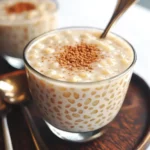
Ingredients
Small Pearl Tapioca: 1/2 cup. These tiny pearls are the heart of our pudding, providing that signature chewy, yet melt-in-your-mouth texture. Make sure to use small pearl tapioca for the best consistency; large pearl tapioca will require different cooking times and might not yield the same creamy result.
Full-Fat Coconut Milk: 2 cans (13.5 oz each). The star ingredient that infuses the pudding with its rich coconut flavor and creamy texture. Opt for full-fat coconut milk for the most decadent and flavorful pudding. Light coconut milk will work, but the pudding won’t be as rich and creamy.
Milk (Dairy or Non-Dairy): 2 cups. Milk adds extra liquid and creaminess to the pudding. You can use dairy milk (whole milk or 2%) for a classic flavor, or choose a non-dairy alternative like almond milk, soy milk, or oat milk to keep it vegan or cater to dietary preferences. The choice of milk will subtly influence the final flavor profile.
Sugar: 1/2 cup (granulated). Sweetness is key in a pudding, and granulated sugar provides the perfect level of sweetness to balance the coconut flavor. You can adjust the amount of sugar to your preference, but this amount is generally considered just right.
Egg Yolks: 2 large. Egg yolks enrich the pudding, adding a velvety smooth texture and a subtle richness. They also contribute to the pudding’s thickening process, creating a more stable and luxurious consistency.
Vanilla Extract: 1 teaspoon. A touch of vanilla extract enhances the overall flavor profile of the pudding, adding warmth and complexity. Use pure vanilla extract for the best flavor; avoid imitation vanilla for a more authentic taste.
Pinch of Salt: Just a small pinch to balance the sweetness and enhance all the other flavors in the pudding. Salt is a flavor enhancer and plays a crucial role in bringing out the best in sweet dishes.
Instructions
- Soak the Tapioca: In a medium saucepan, combine the small pearl tapioca with 2 cups of water. Let it soak for at least 30 minutes, or even better, for 1-2 hours. Soaking softens the tapioca pearls, which helps them cook more evenly and achieve that perfect chewy-yet-tender texture. This step is crucial for preventing the tapioca from being hard or grainy in the final pudding. If you are short on time, a 30-minute soak is acceptable, but longer soaking will yield a smoother result.
- Combine Ingredients and Heat: After soaking, add the coconut milk, milk (dairy or non-dairy), sugar, and salt to the saucepan with the soaked tapioca. Stir everything together well to ensure the sugar is dissolved. Place the saucepan over medium heat and bring the mixture to a gentle simmer. Stir frequently to prevent the tapioca from sticking to the bottom of the pan and burning. Maintaining a gentle simmer is important; boiling too vigorously can cause the milk to scald and the pudding to become grainy.
- Cook the Tapioca: Continue to simmer the mixture, stirring constantly, for about 15-20 minutes, or until the tapioca pearls become translucent and the pudding starts to thicken slightly. The tapioca pearls should lose their opaque white color and become clear. The pudding will still be quite thin at this stage, but it will thicken further as it cools and when we add the egg yolks. It’s important to keep stirring throughout this process to ensure even cooking and prevent sticking.
- Temper the Egg Yolks: In a small bowl, whisk the egg yolks until they are slightly pale and smooth. Tempering the egg yolks prevents them from scrambling when added to the hot pudding. To temper, slowly drizzle a few tablespoons of the hot pudding mixture into the whisked egg yolks, whisking constantly. This gradually raises the temperature of the yolks. Repeat this process two or three times, adding a little more hot pudding each time and whisking continuously.
- Incorporate Egg Yolks and Cook Further: Pour the tempered egg yolk mixture back into the saucepan with the rest of the pudding. Reduce the heat to low and continue to cook, stirring constantly, for another 5-7 minutes, or until the pudding thickens to your desired consistency and coats the back of a spoon. Be careful not to boil the pudding after adding the egg yolks, as this can cause them to curdle. The pudding should thicken noticeably during this stage and become creamy and smooth. If you prefer a thicker pudding, you can cook it for a minute or two longer, but be mindful not to overcook it.
- Add Vanilla Extract and Cool: Remove the saucepan from the heat and stir in the vanilla extract. Vanilla is best added at the end of cooking to preserve its delicate flavor. Allow the pudding to cool slightly at room temperature before transferring it to individual serving dishes or a larger bowl. As the pudding cools, it will continue to thicken.
- Chill and Serve: Cover the pudding with plastic wrap, pressing the plastic wrap directly onto the surface of the pudding to prevent a skin from forming. Refrigerate for at least 2-3 hours, or preferably overnight, to allow the pudding to fully chill and set. Chilling is essential for achieving the perfect creamy texture and allowing the flavors to meld together. Serve chilled and enjoy the creamy, coconutty goodness!
Nutrition
- Serving Size: one normal portion
- Calories: 320
- Fat: 22g
- Saturated Fat: 17g
- Cholesterol: 70mg