
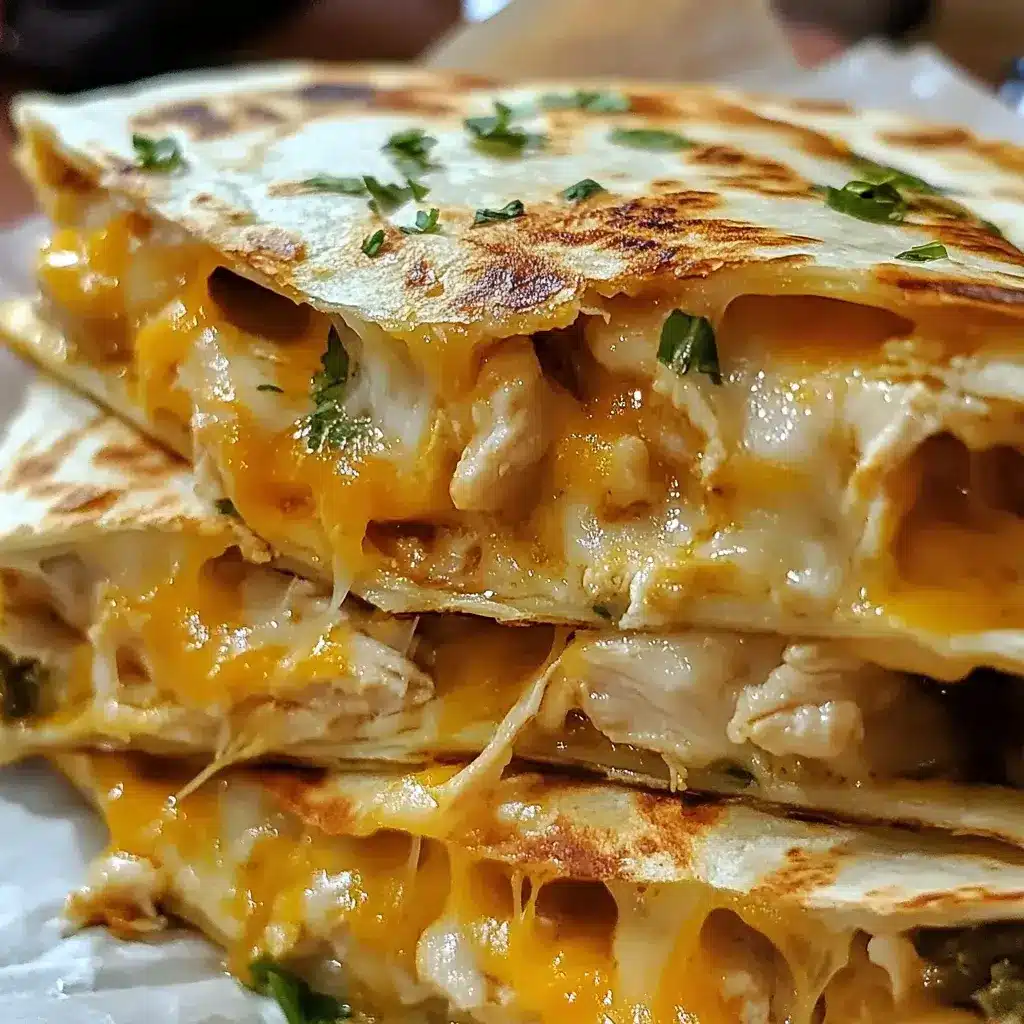
It’s a weeknight, the family is hungry, and the fridge is staring back at me with its usual mix of ‘almost-empty’ and ‘what-to-do-with-this’. Sound familiar? This is when my go-to recipe, the Vegetable Cheesy Quesadilla, truly shines. Honestly, it’s become a bit of a legend in our house. Even my pickiest eater, who approaches anything green with suspicion, devours these cheesy delights. There’s something undeniably comforting about the warm, gooey cheese melding with the slightly charred tortilla and the vibrant burst of flavor from the vegetables. It’s quick, it’s customizable, and it always hits the spot. Plus, it’s a fantastic way to sneak in some extra veggies without any complaints! If you’re looking for a simple, satisfying meal that’s guaranteed to be a crowd-pleaser, look no further. This vegetable cheesy quesadilla recipe is about to become your new weeknight hero.
Ingredients for the Best Vegetable Cheesy Quesadilla
For a vibrant and flavorful Vegetable Cheesy Quesadilla, you’ll need just a handful of fresh and pantry-staple ingredients. Quality ingredients make a difference, so choose the best you can find for the ultimate cheesy experience.
- Large Flour Tortillas: These form the foundation of our quesadilla. Opt for large, burrito-sized tortillas for ample filling space. Flour tortillas offer a soft and slightly chewy texture that browns beautifully when cooked. You can also use whole wheat tortillas for a healthier twist, or corn tortillas for a gluten-free option, though flour tortillas are generally preferred for quesadillas due to their pliability and resistance to tearing.
- Shredded Cheese: The heart and soul of any quesadilla! A blend of cheeses works wonderfully, offering a complex flavor profile and melt. Consider using a combination of:
- Cheddar Cheese: Provides a sharp, classic cheesy flavor and excellent melting properties.
- Monterey Jack Cheese: Known for its mild, buttery flavor and incredibly smooth, melty texture. It adds a lovely creaminess to the quesadilla.
- Pepper Jack Cheese (Optional): If you like a little kick, incorporate pepper jack for a subtle heat and a bit more flavor depth.
- Oaxaca Cheese (Optional): For a truly authentic Mexican flavor, Oaxaca cheese is a stringy, mild cheese that melts beautifully and adds a unique texture.
Pre-shredded cheese is convenient, but freshly shredded cheese melts even better and often has a richer flavor.
- Mixed Vegetables: This is where you can get creative and customize your quesadilla to your liking and what you have on hand. A colorful and nutritious mix is always best. Consider using:
- Bell Peppers (Red, Yellow, Orange, Green): Adds sweetness, crunch, and vibrant color. Red and yellow peppers are sweeter, while green peppers have a slightly more bitter, earthy flavor.
- Onions (Yellow or Red): Provides a savory base flavor. Yellow onions are milder and sweeter when cooked, while red onions offer a sharper, slightly pungent flavor.
- Corn (Fresh or Frozen): Adds sweetness and a pleasant pop of texture. Fresh corn kernels cut off the cob are ideal in summer, while frozen corn is a convenient year-round option.
- Black Beans (Canned or Cooked from Dried): Adds protein, fiber, and a hearty, earthy flavor. Rinse and drain canned black beans thoroughly before using.
- Zucchini or Summer Squash: Adds a mild, slightly sweet flavor and a tender texture. Dice zucchini or summer squash into small pieces for even cooking.
- Mushrooms (Cremini, White Button, or Portobello): Adds an earthy, umami flavor and a meaty texture. Slice mushrooms thinly for quick cooking.
- Spinach or Kale (Fresh): Adds a boost of nutrients and a slightly bitter green flavor. Roughly chop spinach or kale before using, and sauté briefly to wilt it down.
- Salsa: Adds a zesty, tangy, and flavorful kick to the quesadilla. Choose your favorite salsa – mild, medium, or hot – depending on your spice preference. Store-bought or homemade salsa both work well. Consider options like:
- Pico de Gallo: Fresh and chunky salsa with tomatoes, onions, cilantro, and lime juice.
- Roasted Tomato Salsa: Deep, smoky flavor from roasted tomatoes, onions, and peppers.
- Corn and Black Bean Salsa: Adds extra texture and flavor that complements the quesadilla filling.
- Olive Oil or Cooking Spray: Used for cooking the quesadilla and ensuring a golden brown, crispy tortilla. Olive oil adds a subtle flavor, while cooking spray is a lower-fat option. You can also use butter for a richer flavor, or coconut oil for a vegan option.
- Spices (Optional but Recommended): Enhance the flavor of your vegetable filling with a blend of spices. Consider using:
- Chili Powder: Adds a warm, slightly smoky, and earthy flavor.
- Cumin: Provides a warm, earthy, and slightly citrusy flavor, characteristic of Mexican cuisine.
- Oregano (Dried): Adds a slightly peppery and minty flavor that complements the other spices and vegetables.
- Garlic Powder: Enhances the savory flavor of the vegetables and cheese.
- Onion Powder: Adds depth of flavor and complements the fresh onions.
- Smoked Paprika: Adds a smoky, slightly sweet, and vibrant red color.
Adjust the spices to your taste preferences. A simple blend of chili powder, cumin, and oregano is a great starting point.
Step-by-Step Instructions for Making Vegetable Cheesy Quesadillas
Creating these delicious Vegetable Cheesy Quesadillas is a breeze! Follow these simple steps for a perfectly cooked, cheesy, and flavorful meal.
- Prepare the Vegetables: Start by washing and chopping all your chosen vegetables into bite-sized pieces. For bell peppers, remove the seeds and membranes and dice them. Peel and dice the onions. If using fresh corn, cut the kernels off the cob. If using zucchini or summer squash, dice them. Slice mushrooms thinly. If using spinach or kale, roughly chop them. The key is to ensure the vegetables are cut into small, uniform pieces so they cook evenly and fit nicely inside the quesadilla.
- Sauté the Vegetables: Heat a tablespoon of olive oil (or your preferred cooking oil) in a large skillet over medium heat. Once the oil is shimmering, add the diced onions and bell peppers. Sauté for about 3-5 minutes, or until the onions become translucent and the peppers start to soften. Add any other harder vegetables like mushrooms or zucchini at this stage.
- Add Spices and Remaining Vegetables: If you are using spices, add them to the skillet now. Stir in chili powder, cumin, oregano, garlic powder, onion powder, smoked paprika, or any other spices you desire. Cook for another minute, stirring constantly, to allow the spices to become fragrant. Then, add the remaining vegetables, such as corn, black beans (if using canned, make sure they are rinsed and drained), and spinach or kale. Sauté for an additional 3-5 minutes, or until the vegetables are tender-crisp and heated through. You want the vegetables to be cooked but still retain a bit of texture. Avoid overcooking them, as they will continue to cook inside the quesadilla. Taste and adjust seasoning as needed, adding salt and pepper to your preference.
- Prepare Your Quesadilla Station: Now, set up your quesadilla assembly station. Have your tortillas, shredded cheese, and sautéed vegetable mixture ready to go. You’ll also need a clean skillet or griddle and a spatula. If you are using a griddle, preheat it to medium heat. If using a skillet, place it over medium heat.
- Assemble the Quesadillas: Lightly grease your skillet or griddle with a bit of olive oil or cooking spray. Place one tortilla in the heated skillet. Sprinkle a generous amount of shredded cheese evenly over half of the tortilla. Make sure to leave about half of the tortilla bare so you can fold it over. Don’t be shy with the cheese – it’s what makes the quesadilla cheesy and delicious!
- Add the Vegetable Filling and Salsa: Spoon a generous portion of the sautéed vegetable mixture over the cheese on one half of the tortilla. Distribute the vegetables evenly over the cheese. Then, drizzle a spoonful of salsa over the vegetables and cheese. The salsa adds moisture and a burst of flavor that ties everything together.
- Fold and Cook: Carefully fold the bare half of the tortilla over the filling, creating a half-moon shape. Gently press down on the quesadilla with a spatula to help seal the edges and ensure even cooking.
- Cook Until Golden Brown and Cheese is Melted: Cook the quesadilla for 2-3 minutes per side, or until the tortilla is golden brown and crispy and the cheese is completely melted and gooey. Use your spatula to gently flip the quesadilla, being careful not to let the filling spill out. Continue cooking on the other side until it’s also golden brown and the cheese is melted and heated through. The cooking time may vary slightly depending on your stovetop and the thickness of your quesadilla.
- Remove and Repeat: Once cooked, carefully remove the quesadilla from the skillet and place it on a cutting board. Repeat steps 5-8 to make the remaining quesadillas. You can keep the cooked quesadillas warm in a low oven (about 200°F or 95°C) while you prepare the rest, if desired.
- Cut and Serve: Let the quesadilla cool for a minute or two, then use a sharp knife or pizza cutter to cut it into wedges. Typically, quesadillas are cut in half or into thirds. Serve immediately while they are hot and cheesy! Enjoy your delicious homemade Vegetable Cheesy Quesadillas!
Nutrition Facts for Vegetable Cheesy Quesadilla (per serving, estimated)
These nutritional values are estimates and can vary based on specific ingredients and serving sizes. This is based on a recipe making 4 servings.
- Serving Size: 1 Quesadilla (approximately ¼ of the recipe)
- Calories: Approximately 420 kcal
- Fat: 22g
Note: These values are approximate and for informational purposes only. For accurate nutritional information, use a nutrition calculator with the specific brands and quantities of ingredients used. This estimation is based on using cheddar and Monterey Jack cheese, flour tortillas, olive oil, and a mix of bell peppers, onions, corn, and black beans.
Preparation Time for Vegetable Cheesy Quesadillas
Vegetable Cheesy Quesadillas are incredibly quick and easy to prepare, making them perfect for busy weeknights, a fast lunch, or a satisfying snack.
- Prep Time: 15 minutes (This includes washing and chopping vegetables, shredding cheese if not using pre-shredded, and gathering ingredients).
- Cook Time: 10 minutes (Approximately 2-3 minutes per quesadilla, depending on how many you are cooking at once and your skillet size).
- Total Time: 25 minutes (From start to finish, you can have delicious, cheesy quesadillas on the table in under half an hour!).
This speedy preparation makes vegetable cheesy quesadillas an ideal choice when you need a flavorful and fulfilling meal in a hurry.
How to Serve Vegetable Cheesy Quesadillas
Vegetable Cheesy Quesadillas are delicious on their own, but they are even better when served with a variety of accompaniments and toppings. Here are some fantastic ways to serve them:
- Classic Dipping Sauces:
- Salsa: Serve with extra salsa for dipping. The tangy and fresh flavor of salsa complements the cheesy quesadilla perfectly. Offer a variety of salsas – mild, medium, hot, or even fruit salsa – to cater to different preferences.
- Sour Cream or Greek Yogurt: A dollop of cool sour cream or Greek yogurt provides a creamy and tangy contrast to the warm, cheesy quesadilla. Greek yogurt is a healthier alternative to sour cream, offering more protein and less fat.
- Guacamole: Creamy and rich guacamole is a classic quesadilla pairing. The avocado, lime juice, and cilantro in guacamole add a refreshing and flavorful element.
- Pico de Gallo: Fresh and vibrant pico de gallo adds a burst of freshness and texture. The chopped tomatoes, onions, cilantro, and jalapeños provide a zesty and light contrast.
- Cheese Sauce or Queso: For extra cheesy indulgence, serve with a warm cheese sauce or queso dip. This is perfect for cheese lovers and adds an extra layer of richness.
- Side Dishes for a Complete Meal:
- Mexican Rice: Serve alongside a side of fluffy Mexican rice for a more substantial and satisfying meal. Mexican rice adds a comforting and flavorful carbohydrate component.
- Refried Beans: Refried beans, whether black beans or pinto beans, are a classic Mexican side dish that pairs perfectly with quesadillas. They add protein and fiber to the meal.
- Salad: A fresh and crisp salad provides a light and healthy counterpoint to the richness of the quesadilla. Consider a simple green salad with a vinaigrette dressing or a more elaborate Mexican-inspired salad with corn, black beans, and avocado.
- Corn on the Cob or Elote (Mexican Street Corn): Corn on the cob or elote adds a sweet and savory element. Elote, with its creamy sauce, chili powder, and cotija cheese, is an especially flavorful option.
- Toppings for Extra Flavor and Freshness:
- Fresh Cilantro: Sprinkle chopped fresh cilantro over the quesadillas for a bright and herbaceous garnish.
- Chopped Green Onions: Adds a mild oniony flavor and a pop of green color.
- Diced Avocado: Creamy diced avocado adds richness and healthy fats.
- Lime Wedges: Serve with lime wedges so everyone can squeeze fresh lime juice over their quesadillas for a zesty finish.
- Hot Sauce: For those who like extra spice, offer a variety of hot sauces to drizzle over the quesadillas.
By offering a combination of dipping sauces, side dishes, and toppings, you can create a customizable and exciting quesadilla experience for everyone to enjoy.
Additional Tips for Perfect Vegetable Cheesy Quesadillas
To ensure your Vegetable Cheesy Quesadillas are always a success, here are some helpful tips and tricks:
- Use Quality Tortillas: The quality of your tortillas significantly impacts the final result. Opt for fresh, soft tortillas that are pliable and don’t tear easily. Store-bought or homemade both work, but fresher tortillas generally yield better results. Warm tortillas slightly before assembling to make them even more pliable and prevent cracking when folding.
- Don’t Overfill the Quesadilla: It’s tempting to load up your quesadilla with filling, but resist the urge! Overfilling can make it difficult to fold, cook evenly, and prevent the cheese from melting properly. A moderate amount of filling ensures the cheese melts throughout and the tortilla cooks nicely.
- Use a Good Melting Cheese (or Blend): Cheese is the star of a quesadilla, so choose cheeses that melt well and offer good flavor. Cheddar and Monterey Jack are classic choices. A blend of cheeses, like cheddar, Monterey Jack, and a touch of pepper jack, adds complexity and flavor depth. Freshly shredded cheese melts better than pre-shredded, which often contains cellulose to prevent clumping.
- Cook Over Medium Heat: Cook your quesadillas over medium heat to ensure the tortilla browns evenly and the cheese melts completely without burning the tortilla. Cooking over too high heat can result in a burnt tortilla and unmelted cheese in the center. Medium heat allows for gentle and thorough cooking.
- Press Down Gently While Cooking: Use a spatula to gently press down on the quesadilla as it cooks in the skillet. This helps to ensure even contact with the heat, promotes even browning, and helps the cheese melt more quickly and evenly.
- Warm Tortillas Before Assembling (Optional but Recommended): Briefly warming tortillas in a dry skillet or microwave before assembling can make them more pliable and less likely to tear when folding. This is especially helpful if your tortillas are slightly stiff or cold. Just a few seconds per side in a dry skillet or a short burst in the microwave is enough.
- Customize Your Vegetable Filling: Feel free to get creative with your vegetable filling! Use whatever vegetables you have on hand or your family enjoys. Roasted vegetables, grilled vegetables, or even leftover cooked vegetables work wonderfully. Consider adding different types of beans, like pinto beans or cannellini beans, or other vegetables like sweet potatoes, butternut squash, or broccoli.
- Experiment with Different Spices and Flavors: While chili powder, cumin, and oregano are classic Mexican spices, don’t be afraid to experiment with other flavors. Try adding smoked paprika for a smoky note, chipotle powder for heat and smokiness, or even Italian seasoning for a different flavor profile. You can also add a squeeze of lime juice to the vegetable mixture for brightness.
Frequently Asked Questions (FAQ) About Vegetable Cheesy Quesadillas
Here are some common questions about making Vegetable Cheesy Quesadillas:
Q1: Can I make vegetable quesadillas ahead of time?
A: While quesadillas are best served fresh and hot, you can prepare the vegetable filling ahead of time and store it in the refrigerator for up to 2-3 days. When you’re ready to eat, simply assemble and cook the quesadillas. Assembling the quesadillas too far in advance can make the tortillas soggy.
Q2: Can I freeze cooked vegetable quesadillas?
A: Freezing cooked quesadillas is not recommended as the tortillas can become soggy and the texture may change upon thawing. However, you can freeze the cooked vegetable filling separately. Thaw it completely before using it to make fresh quesadillas.
Q3: What type of tortillas are best for quesadillas?
A: Flour tortillas are generally preferred for quesadillas due to their pliability, mild flavor, and ability to brown nicely. Large, burrito-sized flour tortillas are ideal. Corn tortillas can also be used for a gluten-free option, but they are more prone to tearing and may not hold up as well.
Q4: Can I add beans to my vegetable quesadilla?
A: Absolutely! Beans are a fantastic addition to vegetable quesadillas, adding protein, fiber, and flavor. Black beans, pinto beans, or even refried beans work wonderfully. Make sure to drain and rinse canned beans before adding them to the vegetable mixture.
Q5: How can I make my vegetable quesadilla spicier?
A: To add heat to your quesadilla, you can incorporate spicy ingredients such as:
* Jalapeños or Serrano peppers: Dice fresh jalapeños or Serrano peppers and add them to the vegetable mixture.
* Pepper Jack Cheese: Use pepper jack cheese instead of or in addition to other cheeses.
* Hot Sauce: Drizzle hot sauce over the vegetable filling or serve it on the side for dipping.
* Chipotle Powder or Cayenne Pepper: Add a pinch of chipotle powder or cayenne pepper to the spice blend.
* Spicy Salsa: Use a hot salsa instead of mild or medium salsa.
Q6: Can I use different vegetables in my quesadilla?
A: Yes, you can use a wide variety of vegetables in your quesadilla! Get creative and use whatever you have on hand or enjoy. Some other great vegetable options include:
* Sweet Potatoes or Butternut Squash: Roasted or sautéed.
* Broccoli or Cauliflower: Steamed or roasted until tender-crisp.
* Asparagus: Grilled or sautéed.
* Sun-dried Tomatoes: Adds a chewy texture and intense flavor.
* Artichoke Hearts: Canned or marinated, drained and chopped.
Q7: How do I prevent my tortillas from tearing when folding?
A: To prevent tortillas from tearing, especially if they are a bit dry or stiff:
* Warm the tortillas: Briefly warm the tortillas in a dry skillet or microwave before assembling. This makes them more pliable.
* Don’t overfill: Avoid overfilling the quesadilla, as this puts extra stress on the tortilla when folding.
* Handle gently: Be gentle when folding the tortilla. Fold it slowly and carefully.
* Use fresh tortillas: Fresher tortillas are generally more pliable and less likely to tear than older ones.
Q8: What are some good dipping sauces besides salsa and sour cream?
A: While salsa and sour cream are classic, there are many other delicious dipping sauces for quesadillas:
* Guacamole: Creamy avocado dip.
* Queso Dip: Warm cheese dip.
* Ranch Dressing: Creamy and tangy.
* Avocado Crema: Creamy avocado and lime sauce.
* Chipotle Mayo: Mayonnaise with chipotle peppers in adobo sauce for a smoky and spicy kick.
* Yogurt Dill Sauce: Greek yogurt with fresh dill, lemon juice, and garlic for a refreshing and herby dip.
Enjoy experimenting with these tips and variations to make your perfect Vegetable Cheesy Quesadillas every time!
Print
Cheesy Chicken Quesadilla
Ingredients
For a vibrant and flavorful Vegetable Cheesy Quesadilla, you’ll need just a handful of fresh and pantry-staple ingredients. Quality ingredients make a difference, so choose the best you can find for the ultimate cheesy experience.
- Large Flour Tortillas: These form the foundation of our quesadilla. Opt for large, burrito-sized tortillas for ample filling space. Flour tortillas offer a soft and slightly chewy texture that browns beautifully when cooked. You can also use whole wheat tortillas for a healthier twist, or corn tortillas for a gluten-free option, though flour tortillas are generally preferred for quesadillas due to their pliability and resistance to tearing.
- Shredded Cheese: The heart and soul of any quesadilla! A blend of cheeses works wonderfully, offering a complex flavor profile and melt. Consider using a combination of:
- Cheddar Cheese: Provides a sharp, classic cheesy flavor and excellent melting properties.
- Monterey Jack Cheese: Known for its mild, buttery flavor and incredibly smooth, melty texture. It adds a lovely creaminess to the quesadilla.
- Pepper Jack Cheese (Optional): If you like a little kick, incorporate pepper jack for a subtle heat and a bit more flavor depth.
- Oaxaca Cheese (Optional): For a truly authentic Mexican flavor, Oaxaca cheese is a stringy, mild cheese that melts beautifully and adds a unique texture.
Pre-shredded cheese is convenient, but freshly shredded cheese melts even better and often has a richer flavor.
- Mixed Vegetables: This is where you can get creative and customize your quesadilla to your liking and what you have on hand. A colorful and nutritious mix is always best. Consider using:
- Bell Peppers (Red, Yellow, Orange, Green): Adds sweetness, crunch, and vibrant color. Red and yellow peppers are sweeter, while green peppers have a slightly more bitter, earthy flavor.
- Onions (Yellow or Red): Provides a savory base flavor. Yellow onions are milder and sweeter when cooked, while red onions offer a sharper, slightly pungent flavor.
- Corn (Fresh or Frozen): Adds sweetness and a pleasant pop of texture. Fresh corn kernels cut off the cob are ideal in summer, while frozen corn is a convenient year-round option.
- Black Beans (Canned or Cooked from Dried): Adds protein, fiber, and a hearty, earthy flavor. Rinse and drain canned black beans thoroughly before using.
- Zucchini or Summer Squash: Adds a mild, slightly sweet flavor and a tender texture. Dice zucchini or summer squash into small pieces for even cooking.
- Mushrooms (Cremini, White Button, or Portobello): Adds an earthy, umami flavor and a meaty texture. Slice mushrooms thinly for quick cooking.
- Spinach or Kale (Fresh): Adds a boost of nutrients and a slightly bitter green flavor. Roughly chop spinach or kale before using, and sauté briefly to wilt it down.
- Salsa: Adds a zesty, tangy, and flavorful kick to the quesadilla. Choose your favorite salsa – mild, medium, or hot – depending on your spice preference. Store-bought or homemade salsa both work well. Consider options like:
- Pico de Gallo: Fresh and chunky salsa with tomatoes, onions, cilantro, and lime juice.
- Roasted Tomato Salsa: Deep, smoky flavor from roasted tomatoes, onions, and peppers.
- Corn and Black Bean Salsa: Adds extra texture and flavor that complements the quesadilla filling.
- Olive Oil or Cooking Spray: Used for cooking the quesadilla and ensuring a golden brown, crispy tortilla. Olive oil adds a subtle flavor, while cooking spray is a lower-fat option. You can also use butter for a richer flavor, or coconut oil for a vegan option.
- Spices (Optional but Recommended): Enhance the flavor of your vegetable filling with a blend of spices. Consider using:
- Chili Powder: Adds a warm, slightly smoky, and earthy flavor.
- Cumin: Provides a warm, earthy, and slightly citrusy flavor, characteristic of Mexican cuisine.
- Oregano (Dried): Adds a slightly peppery and minty flavor that complements the other spices and vegetables.
- Garlic Powder: Enhances the savory flavor of the vegetables and cheese.
- Onion Powder: Adds depth of flavor and complements the fresh onions.
- Smoked Paprika: Adds a smoky, slightly sweet, and vibrant red color.
Adjust the spices to your taste preferences. A simple blend of chili powder, cumin, and oregano is a great starting point.
Instructions
Creating these delicious Vegetable Cheesy Quesadillas is a breeze! Follow these simple steps for a perfectly cooked, cheesy, and flavorful meal.
- Prepare the Vegetables: Start by washing and chopping all your chosen vegetables into bite-sized pieces. For bell peppers, remove the seeds and membranes and dice them. Peel and dice the onions. If using fresh corn, cut the kernels off the cob. If using zucchini or summer squash, dice them. Slice mushrooms thinly. If using spinach or kale, roughly chop them. The key is to ensure the vegetables are cut into small, uniform pieces so they cook evenly and fit nicely inside the quesadilla.
- Sauté the Vegetables: Heat a tablespoon of olive oil (or your preferred cooking oil) in a large skillet over medium heat. Once the oil is shimmering, add the diced onions and bell peppers. Sauté for about 3-5 minutes, or until the onions become translucent and the peppers start to soften. Add any other harder vegetables like mushrooms or zucchini at this stage.
- Add Spices and Remaining Vegetables: If you are using spices, add them to the skillet now. Stir in chili powder, cumin, oregano, garlic powder, onion powder, smoked paprika, or any other spices you desire. Cook for another minute, stirring constantly, to allow the spices to become fragrant. Then, add the remaining vegetables, such as corn, black beans (if using canned, make sure they are rinsed and drained), and spinach or kale. Sauté for an additional 3-5 minutes, or until the vegetables are tender-crisp and heated through. You want the vegetables to be cooked but still retain a bit of texture. Avoid overcooking them, as they will continue to cook inside the quesadilla. Taste and adjust seasoning as needed, adding salt and pepper to your preference.
- Prepare Your Quesadilla Station: Now, set up your quesadilla assembly station. Have your tortillas, shredded cheese, and sautéed vegetable mixture ready to go. You’ll also need a clean skillet or griddle and a spatula. If you are using a griddle, preheat it to medium heat. If using a skillet, place it over medium heat.
- Assemble the Quesadillas: Lightly grease your skillet or griddle with a bit of olive oil or cooking spray. Place one tortilla in the heated skillet. Sprinkle a generous amount of shredded cheese evenly over half of the tortilla. Make sure to leave about half of the tortilla bare so you can fold it over. Don’t be shy with the cheese – it’s what makes the quesadilla cheesy and delicious!
- Add the Vegetable Filling and Salsa: Spoon a generous portion of the sautéed vegetable mixture over the cheese on one half of the tortilla. Distribute the vegetables evenly over the cheese. Then, drizzle a spoonful of salsa over the vegetables and cheese. The salsa adds moisture and a burst of flavor that ties everything together.
- Fold and Cook: Carefully fold the bare half of the tortilla over the filling, creating a half-moon shape. Gently press down on the quesadilla with a spatula to help seal the edges and ensure even cooking.
- Cook Until Golden Brown and Cheese is Melted: Cook the quesadilla for 2-3 minutes per side, or until the tortilla is golden brown and crispy and the cheese is completely melted and gooey. Use your spatula to gently flip the quesadilla, being careful not to let the filling spill out. Continue cooking on the other side until it’s also golden brown and the cheese is melted and heated through. The cooking time may vary slightly depending on your stovetop and the thickness of your quesadilla.
- Remove and Repeat: Once cooked, carefully remove the quesadilla from the skillet and place it on a cutting board. Repeat steps 5-8 to make the remaining quesadillas. You can keep the cooked quesadillas warm in a low oven (about 200°F or 95°C) while you prepare the rest, if desired.
- Cut and Serve: Let the quesadilla cool for a minute or two, then use a sharp knife or pizza cutter to cut it into wedges. Typically, quesadillas are cut in half or into thirds. Serve immediately while they are hot and cheesy! Enjoy your delicious homemade Vegetable Cheesy Quesadillas!
Nutrition
- Serving Size: one normal portion
- Calories: 420
- Fat: 22g