

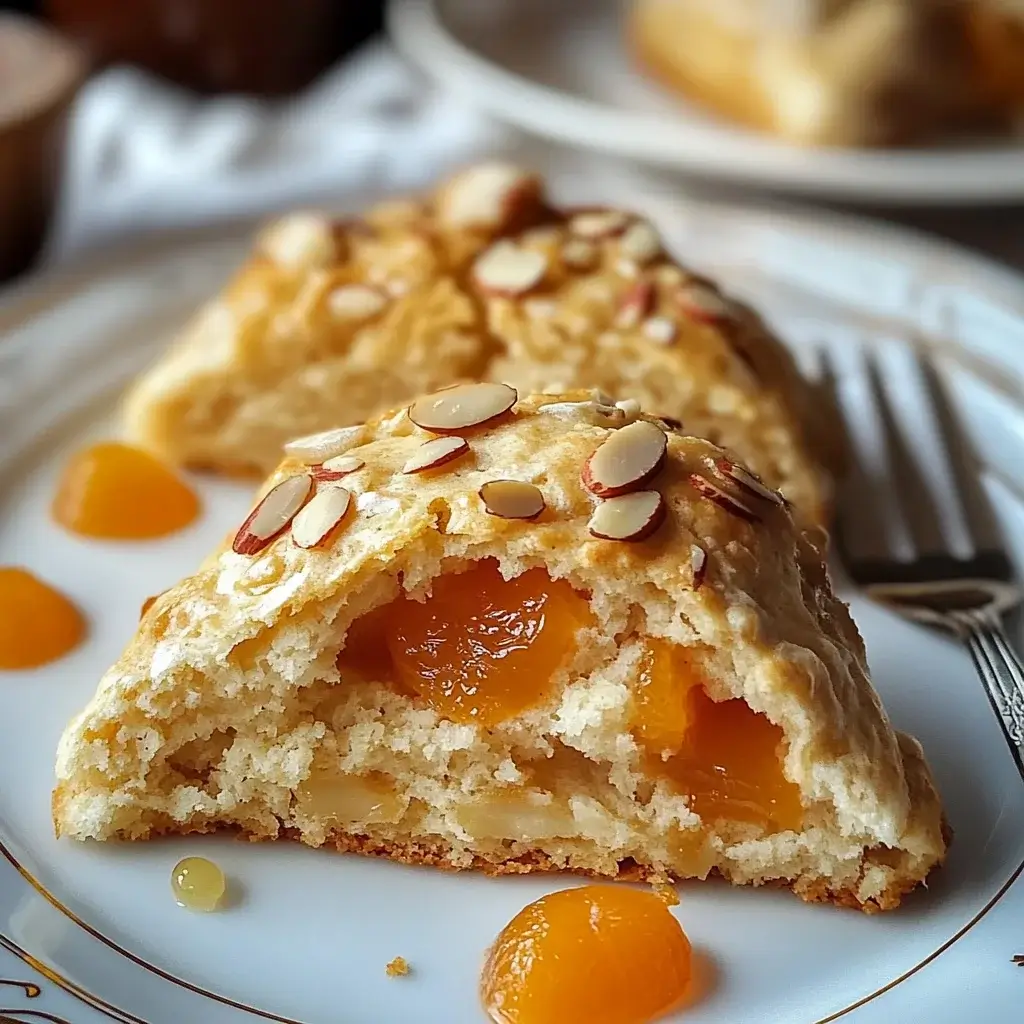

There’s nothing quite like the aroma of freshly baked scones wafting through the kitchen on a weekend morning. Recently, I decided to try my hand at Apricot and Almond Breakfast Scones, and let me tell you, they were an absolute revelation. From the moment they emerged from the oven, golden brown and beautifully domed, I knew we were in for a treat. The subtle sweetness of the apricots, perfectly balanced by the nutty crunch of almonds, created a flavor profile that was both comforting and sophisticated. My family devoured them in minutes, declaring them the best scones they’d ever tasted! They were wonderfully tender and moist on the inside with a slightly crisp exterior – the perfect texture combination. Paired with a cup of hot coffee and a dollop of clotted cream (or a simple pat of butter), these scones transformed our ordinary breakfast into a special occasion. If you’re looking for a delicious and relatively easy baking project to brighten your mornings, look no further. These Apricot and Almond Breakfast Scones are guaranteed to become a new family favorite.
Ingredients
- All-Purpose Flour: 3 cups (375g). The foundation of our scones, providing structure and a tender crumb.
- Granulated Sugar: ½ cup (100g). Adds sweetness and helps with browning.
- Baking Powder: 3 teaspoons. The leavening agent that ensures light and fluffy scones.
- Salt: ½ teaspoon. Enhances the flavors and balances the sweetness.
- Unsalted Butter: ¾ cup (170g), cold and cubed. Creates flaky layers and rich flavor when incorporated cold.
- Dried Apricots: 1 cup (150g), chopped. Brings a chewy texture and sweet-tart apricot flavor.
- Almonds: ½ cup (75g), slivered or chopped. Adds a delightful crunch and nutty taste.
- Large Eggs: 2. Binds the ingredients, adds richness, and contributes to the scones’ structure.
- Whole Milk: ¾ cup (180ml). Provides moisture and helps to bring the dough together.
- Almond Extract: 1 teaspoon. Enhances the almond flavor, creating a more pronounced nutty note.
- Turbinado Sugar (for topping): 2 tablespoons (optional). Adds a beautiful sparkle and extra crunch to the scone tops.
Instructions
- Preheat Oven and Prepare Baking Sheet: Preheat your oven to 400°F (200°C). Line a baking sheet with parchment paper. This prevents sticking and ensures easy cleanup.
- Combine Dry Ingredients: In a large mixing bowl, whisk together the all-purpose flour, granulated sugar, baking powder, and salt. Whisking ensures that the baking powder and salt are evenly distributed throughout the flour, leading to consistent leavening and flavor in every scone.
- Cut in Cold Butter: Add the cold, cubed unsalted butter to the dry ingredients. Using a pastry blender, your fingertips, or two knives, cut the butter into the flour mixture until it resembles coarse crumbs with some pea-sized pieces remaining. It’s crucial to keep the butter cold to prevent it from melting into the flour. Cold butter creates steam during baking, which results in flaky, tender scones.
- Add Dried Apricots and Almonds: Stir in the chopped dried apricots and slivered or chopped almonds. Distribute them evenly throughout the flour mixture. The apricots and almonds will add bursts of flavor and textural contrast to the scones.
- Whisk Wet Ingredients: In a separate small bowl, whisk together the eggs, whole milk, and almond extract until well combined. Make sure the egg yolks and whites are fully incorporated with the milk and almond extract.
- Combine Wet and Dry Ingredients: Pour the wet ingredients into the bowl with the dry ingredients. Using a spatula or wooden spoon, gently stir until just combined. Be careful not to overmix. Overmixing will develop the gluten in the flour, resulting in tough scones. The dough should be slightly shaggy and sticky.
- Turn Dough onto Floured Surface: Lightly flour a clean work surface. Turn the dough out onto the floured surface. Gently pat the dough into a ¾-inch thick disc. Avoid kneading the dough; simply pat it into shape to maintain tenderness.
- Cut into Scones: Using a sharp knife or a bench scraper, cut the disc into 8 triangular wedges. Alternatively, you can use a round cookie cutter to cut out circular scones. For triangular scones, cut the disc in half, then in half again, and then each quarter in half again.
- Place Scones on Baking Sheet: Carefully transfer the scone wedges to the prepared baking sheet, spacing them about 1-2 inches apart. This allows for proper air circulation and even baking.
- Brush with Milk and Sprinkle with Sugar (Optional): Brush the tops of the scones with a little extra milk. If desired, sprinkle turbinado sugar over the tops for added sweetness and sparkle. The milk helps with browning, and the turbinado sugar adds a delightful crunch.
- Bake: Bake in the preheated oven for 18-22 minutes, or until the scones are golden brown and a toothpick inserted into the center comes out clean. Baking time may vary slightly depending on your oven. The scones should be nicely risen and golden brown on top and bottom.
- Cool Slightly and Serve: Let the scones cool on the baking sheet for a few minutes before transferring them to a wire rack to cool slightly further. Serve warm and enjoy! Scones are best enjoyed fresh from the oven while they are still warm and tender.
Nutrition Facts
(Per Serving, approximately based on 8 servings)
- Serving Size: 1 scone
- Calories: 320 kcal
- Fat: 15g
(Note: Nutritional information is an estimate and can vary based on specific ingredients and portion sizes. For precise nutritional values, use a nutrition calculator with specific ingredient brands and weights.)
Preparation Time
- Prep Time: 20 minutes (Includes gathering ingredients, chopping apricots, and mixing the dough.)
- Bake Time: 20 minutes (Oven time for baking the scones to golden perfection.)
- Total Time: 40 minutes (From start to finish, you can enjoy freshly baked scones in under an hour!)
- Skill Level: Easy (Perfect for beginner bakers and experienced cooks alike.)
How to Serve Apricot and Almond Breakfast Scones
Apricot and Almond Breakfast Scones are incredibly versatile and can be enjoyed in numerous ways. Here are some delightful serving suggestions:
- Warm with Butter: The simplest and most classic way to enjoy scones. A pat of good quality butter melting into a warm scone is pure bliss.
- Clotted Cream and Jam: For a truly indulgent treat, serve with clotted cream and your favorite fruit jam or preserves. Apricot jam would complement the scone beautifully, but raspberry, strawberry, or even fig jam would also be delicious.
- Lemon Curd: The tangy sweetness of lemon curd provides a lovely contrast to the richness of the scones.
- Honey or Maple Syrup: Drizzle a bit of honey or maple syrup over warm scones for an extra touch of sweetness.
- Whipped Cream: Lightly sweetened whipped cream adds a cloud-like texture and creamy sweetness.
- Fruit Compote: A warm fruit compote, like a mixed berry or apple compote, adds moisture and fruity flavor.
- Alongside Yogurt and Fresh Fruit: For a slightly lighter breakfast or brunch option, serve scones with a side of Greek yogurt and fresh fruit like berries, sliced peaches, or more apricots.
- With Coffee or Tea: Scones are the perfect accompaniment to a hot cup of coffee, tea, or even a latte. Their subtle sweetness pairs wonderfully with the bitterness of coffee or the warmth of tea.
Additional Tips for Perfect Apricot and Almond Scones
To ensure your Apricot and Almond Breakfast Scones are a resounding success, keep these helpful tips in mind:
- Use Cold Butter: This is crucial for flaky scones. Cold butter creates steam during baking, which results in those desirable layers and a tender crumb. You can even chill your butter in the freezer for 10-15 minutes before using if your kitchen is warm.
- Don’t Overmix the Dough: Overmixing develops the gluten in the flour, leading to tough, dense scones. Mix just until the wet and dry ingredients are combined and the dough is shaggy. A few streaks of flour are perfectly acceptable.
- Handle the Dough Gently: Treat the dough with a light touch. Avoid kneading or pressing it too firmly when shaping and cutting. Gentle handling helps maintain tenderness.
- Work Quickly: The warmth of your hands can melt the butter, so work quickly when cutting in the butter and mixing the dough. If you find the butter is getting too soft, you can pop the dough in the refrigerator for 10-15 minutes before shaping and baking.
- Use Parchment Paper: Lining your baking sheet with parchment paper prevents the scones from sticking and makes cleanup a breeze.
- Don’t Overbake: Overbaked scones will be dry and crumbly. Bake until they are golden brown and a toothpick inserted into the center comes out clean. Start checking for doneness around 18 minutes.
- Customize Your Scones: Feel free to experiment with variations! You could add a pinch of cinnamon or nutmeg to the dry ingredients for warmth, or use different nuts like pecans or walnuts instead of almonds. You could also use different dried fruits like cranberries or raisins in place of apricots.
- Enjoy Fresh: Scones are best enjoyed fresh from the oven on the day they are baked. While they can be stored in an airtight container at room temperature for a day or two, they are at their peak flavor and texture when freshly made. To refresh slightly stale scones, you can warm them in a low oven (around 300°F/150°C) for a few minutes.
Frequently Asked Questions (FAQ)
Q1: Can I use frozen butter instead of cold butter?
A1: Yes, frozen butter works even better than cold butter for scones! Grate the frozen butter using a box grater directly into the dry ingredients. This keeps the butter even colder and ensures maximum flakiness.
Q2: I don’t have almond extract. Can I still make these scones?
A2: Absolutely! The almond extract enhances the almond flavor, but it’s not essential. You can omit it, or you could substitute vanilla extract for a different flavor profile. You might also consider adding a little more slivered almonds to compensate for the missing almond extract flavor.
Q3: Can I make these scones ahead of time?
A3: While scones are best enjoyed fresh, you can prepare the dough ahead of time. After mixing the dough and shaping the scones, you can place them on a baking sheet, cover them loosely with plastic wrap, and refrigerate them for up to 24 hours before baking. Bake them directly from the refrigerator, adding a few extra minutes to the baking time.
Q4: Can I freeze baked scones?
A4: Yes, baked scones can be frozen. Let them cool completely, then wrap them individually in plastic wrap and place them in a freezer-safe bag or container. Freeze for up to 2-3 months. To reheat, bake frozen scones in a preheated oven at 350°F (175°C) for 10-15 minutes, or until warmed through.
Q5: My scones are dry. What did I do wrong?
A5: Dry scones are often a result of overbaking or using too much flour. Ensure you are measuring your flour correctly (spoon and level method is recommended) and don’t overbake the scones. Bake until just golden brown and a toothpick comes out clean. Overmixing the dough can also contribute to drier scones.
Q6: My scones are flat and didn’t rise much. Why?
A6: Flat scones are often caused by using old or inactive baking powder. Make sure your baking powder is fresh. Also, ensure you are not overmixing the dough, as this can develop gluten and hinder rising. Using cold ingredients and a hot oven also promotes rising.
Q7: Can I make these scones vegan?
A7: Making vegan scones is possible with some substitutions. You can replace the butter with a vegan butter alternative (ensure it’s cold), the eggs with flax eggs (1 tablespoon flaxseed meal mixed with 3 tablespoons water per egg, let it sit for 5 minutes to thicken), and use plant-based milk like almond milk or soy milk instead of whole milk.
Q8: What is turbinado sugar and can I use something else?
A8: Turbinado sugar is a type of raw cane sugar that has larger crystals and a slightly caramel flavor. It adds a nice crunch and sparkle to the tops of scones. If you don’t have turbinado sugar, you can use coarse sugar, granulated sugar, or even sanding sugar as a topping. Alternatively, you can skip the sugar topping altogether if you prefer.

Apricot and Almond Breakfast Scones
Ingredients
- All-Purpose Flour: 3 cups (375g). The foundation of our scones, providing structure and a tender crumb.
- Granulated Sugar: ½ cup (100g). Adds sweetness and helps with browning.
- Baking Powder: 3 teaspoons. The leavening agent that ensures light and fluffy scones.
- Salt: ½ teaspoon. Enhances the flavors and balances the sweetness.
- Unsalted Butter: ¾ cup (170g), cold and cubed. Creates flaky layers and rich flavor when incorporated cold.
- Dried Apricots: 1 cup (150g), chopped. Brings a chewy texture and sweet-tart apricot flavor.
- Almonds: ½ cup (75g), slivered or chopped. Adds a delightful crunch and nutty taste.
- Large Eggs: 2. Binds the ingredients, adds richness, and contributes to the scones’ structure.
- Whole Milk: ¾ cup (180ml). Provides moisture and helps to bring the dough together.
- Almond Extract: 1 teaspoon. Enhances the almond flavor, creating a more pronounced nutty note.
- Turbinado Sugar (for topping): 2 tablespoons (optional). Adds a beautiful sparkle and extra crunch to the scone tops.
Instructions
- Preheat Oven and Prepare Baking Sheet: Preheat your oven to 400°F (200°C). Line a baking sheet with parchment paper. This prevents sticking and ensures easy cleanup.
- Combine Dry Ingredients: In a large mixing bowl, whisk together the all-purpose flour, granulated sugar, baking powder, and salt. Whisking ensures that the baking powder and salt are evenly distributed throughout the flour, leading to consistent leavening and flavor in every scone.
- Cut in Cold Butter: Add the cold, cubed unsalted butter to the dry ingredients. Using a pastry blender, your fingertips, or two knives, cut the butter into the flour mixture until it resembles coarse crumbs with some pea-sized pieces remaining. It’s crucial to keep the butter cold to prevent it from melting into the flour. Cold butter creates steam during baking, which results in flaky, tender scones.
- Add Dried Apricots and Almonds: Stir in the chopped dried apricots and slivered or chopped almonds. Distribute them evenly throughout the flour mixture. The apricots and almonds will add bursts of flavor and textural contrast to the scones.
- Whisk Wet Ingredients: In a separate small bowl, whisk together the eggs, whole milk, and almond extract until well combined. Make sure the egg yolks and whites are fully incorporated with the milk and almond extract.
- Combine Wet and Dry Ingredients: Pour the wet ingredients into the bowl with the dry ingredients. Using a spatula or wooden spoon, gently stir until just combined. Be careful not to overmix. Overmixing will develop the gluten in the flour, resulting in tough scones. The dough should be slightly shaggy and sticky.
- Turn Dough onto Floured Surface: Lightly flour a clean work surface. Turn the dough out onto the floured surface. Gently pat the dough into a ¾-inch thick disc. Avoid kneading the dough; simply pat it into shape to maintain tenderness.
- Cut into Scones: Using a sharp knife or a bench scraper, cut the disc into 8 triangular wedges. Alternatively, you can use a round cookie cutter to cut out circular scones. For triangular scones, cut the disc in half, then in half again, and then each quarter in half again.
- Place Scones on Baking Sheet: Carefully transfer the scone wedges to the prepared baking sheet, spacing them about 1-2 inches apart. This allows for proper air circulation and even baking.
- Brush with Milk and Sprinkle with Sugar (Optional): Brush the tops of the scones with a little extra milk. If desired, sprinkle turbinado sugar over the tops for added sweetness and sparkle. The milk helps with browning, and the turbinado sugar adds a delightful crunch.
- Bake: Bake in the preheated oven for 18-22 minutes, or until the scones are golden brown and a toothpick inserted into the center comes out clean. Baking time may vary slightly depending on your oven. The scones should be nicely risen and golden brown on top and bottom.
- Cool Slightly and Serve: Let the scones cool on the baking sheet for a few minutes before transferring them to a wire rack to cool slightly further. Serve warm and enjoy! Scones are best enjoyed fresh from the oven while they are still warm and tender.
Nutrition
- Serving Size: one normal portion
- Calories: 320
- Fat: 15g