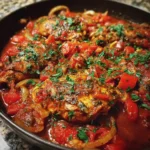


It was one of those frantic weeknights that every busy family knows all too well. The day had been a whirlwind of meetings, school runs, and a never-ending to-do list. The thought of cooking an elaborate dinner felt like climbing a mountain. I stood in front of the fridge, staring blankly, when I remembered a promise I’d made to myself: to find a go-to meal that was fast, flavorful, and felt like a special occasion, even on a Tuesday. That’s when this 30-Minute Chicken Cacciatore came into my life, and it wasn’t just a recipe; it was a revelation. The sizzle of the chicken hitting the hot pan, followed by the sweet aroma of sautéing peppers and onions, instantly transformed the kitchen’s atmosphere from chaotic to comforting. As the rich, tomato-based sauce bubbled away, my family started to drift in, drawn by the incredible smells. When we finally sat down to eat, the silence was telling. It was the blissful quiet of everyone being too busy enjoying their food to talk. The chicken was unbelievably tender, the sauce was rustic and bursting with flavor, and it all came together in less time than it takes to watch an episode of our favorite show. This recipe didn’t just save dinner; it turned a stressful evening into a cherished family meal, and it’s been our reliable, delicious hero ever since.
Ingredients
Here is everything you need to create this rustic Italian masterpiece in your own kitchen. Each ingredient plays a crucial role in building layers of deep, satisfying flavor.
- 2 tbsp Olive Oil, extra virgin: The heart of Mediterranean cooking, used to create a perfect sear on the chicken and sauté the vegetables.
- 1.5 lbs Boneless, Skinless Chicken Thighs, cut into bite-sized pieces: Using thighs is the secret to succulent, juicy chicken that won’t dry out during the quick cooking process.
- 1 tsp Kosher Salt: Enhances all the other flavors in the dish.
- ½ tsp Black Pepper, freshly ground: Adds a subtle, lingering warmth.
- 1 large Yellow Onion, thinly sliced: Forms the sweet, aromatic base of the sauce.
- 2 Bell Peppers (e.g., one red, one yellow), thinly sliced: Provide sweetness, vibrant color, and a pleasant, tender-crisp texture.
- 8 oz Cremini Mushrooms, sliced: Add a wonderful earthy depth and a meaty texture to the sauce.
- 4 cloves Garlic, minced: A pungent, essential aromatic that infuses the entire dish with classic Italian flavor.
- ½ cup Dry White Wine (like Pinot Grigio or Sauvignon Blanc): Used to deglaze the pan, lifting all the delicious browned bits and adding a complex, acidic brightness to the sauce. (Can be substituted with chicken broth).
- 1 (28-ounce) can Crushed Tomatoes: The backbone of the cacciatore sauce, providing a rich, rustic tomato flavor and body.
- 1 tsp Dried Oregano: A classic Italian herb that brings a peppery, aromatic quality.
- ½ tsp Dried Basil: Adds a touch of sweet, anise-like flavor that complements the tomatoes perfectly.
- Optional: Fresh Parsley or Basil, chopped for garnish: Adds a final pop of color and a burst of fresh, vibrant flavor before serving.
Instructions
Follow these simple steps to bring your 30-Minute Chicken Cacciatore to life. The key is to build flavor in layers, starting with a good sear on the chicken and finishing with a rich, bubbling sauce.
- Prepare the Chicken: Begin by patting your chicken thigh pieces completely dry with a paper towel. This step is crucial for achieving a beautiful golden-brown sear. Season the chicken generously on all sides with kosher salt and freshly ground black pepper.
- Sear the Chicken: Place a large, heavy-bottomed skillet or Dutch oven over medium-high heat. Add the olive oil and allow it to heat up until it shimmers slightly. Carefully place the seasoned chicken pieces in the pan in a single layer, ensuring not to overcrowd it (work in two batches if necessary). Cook for 3-4 minutes per side, until the chicken is deeply golden brown and cooked through. The browning process, known as the Maillard reaction, creates immense flavor. Once seared, remove the chicken from the skillet and set it aside on a plate.
- Sauté the Vegetables: Reduce the heat to medium. Add the sliced onion and bell peppers to the same skillet, using the remaining oil and rendered chicken fat. Sauté for 5-6 minutes, stirring occasionally, until the vegetables have softened and the onions are translucent.
- Add Aromatics and Mushrooms: Add the sliced cremini mushrooms to the skillet and continue to cook for another 4-5 minutes, until they have released their liquid and started to brown. This browning step deepens their earthy flavor. Stir in the minced garlic and cook for just one minute more, until it becomes fragrant. Be careful not to burn the garlic, as it can become bitter.
- Deglaze the Pan: Pour the dry white wine (or chicken broth) into the hot skillet. As it bubbles, use a wooden spoon or spatula to scrape up all the browned bits (the “fond”) from the bottom of the pan. This fond is packed with concentrated flavor and is the secret to a restaurant-quality sauce. Let the wine simmer and reduce by about half, which should take about 2 minutes.
- Build the Sauce: Stir in the can of crushed tomatoes, dried oregano, and dried basil. Bring the sauce to a gentle simmer. Taste the sauce and add another pinch of salt and pepper if needed.
- Combine and Simmer: Return the seared chicken and any accumulated juices from the plate back into the skillet. Stir everything together to ensure the chicken is coated in the sauce. Reduce the heat to low, cover the skillet, and let it simmer for 10 minutes. This allows the chicken to become incredibly tender and for all the flavors to meld together beautifully.
- Final Touches and Serving: After 10 minutes, your cacciatore is ready. Turn off the heat. Garnish generously with fresh chopped parsley or basil for a burst of freshness and color. Serve immediately and enjoy.
Nutrition Facts
This recipe provides a balanced and wholesome meal. The nutritional information is an estimate and can vary based on the specific ingredients used.
- Servings: 4-6 servings
- Calories: Approximately 350-450 calories per serving
- Protein: A high source of lean protein, essential for muscle repair and keeping you feeling full and satisfied.
- Fiber: The bell peppers, onions, and tomatoes provide a good amount of dietary fiber, which is important for digestive health.
- Vitamin C: Bell peppers are packed with Vitamin C, a powerful antioxidant that supports the immune system.
- Lycopene: Found in the cooked tomatoes, this is another powerful antioxidant linked to numerous health benefits.
- Healthy Fats: The use of olive oil provides monounsaturated fats, which are beneficial for heart health.
Preparation Time
This recipe is designed for speed and efficiency without sacrificing flavor. The total time from starting your prep to serving a delicious meal is remarkably short, making it a perfect solution for busy weeknights.
- Prep Time: 10 minutes (slicing vegetables, cutting chicken)
- Cook Time: 20 minutes
- Total Time: 30 minutes
How to Serve
Chicken Cacciatore is a wonderfully versatile dish that pairs beautifully with a variety of starches and vegetables that can soak up its incredible sauce. Here are some of the best ways to serve it:
- Over Creamy Polenta: This is the most traditional and arguably the most delicious pairing. The soft, creamy cornmeal acts as a perfect bed for the rustic stew, absorbing every last drop of the savory tomato sauce.
- With Pasta: Serve over a bed of your favorite pasta.
- Short Pasta: Shapes like penne, rigatoni, or fusilli are excellent choices as their ridges and tubes capture the chunky sauce perfectly.
- Long Pasta: Pappardelle or fettuccine also work wonderfully, providing a classic Italian feel.
- Alongside Crusty Bread: A simple but brilliant option. Serve with a loaf of crusty Italian or French bread for dipping into the sauce. Garlic bread is also a fantastic and flavorful companion.
- With Fluffy White Rice: For a simple and gluten-free option, serve the cacciatore over a bed of fluffy long-grain white rice or a nutty brown rice.
- With Low-Carb Alternatives:
- Zucchini Noodles (Zoodles): A light, healthy, and low-carb option that mimics pasta.
- Cauliflower Rice: Another excellent gluten-free and low-carb choice that soaks up the sauce well.
- Over Roasted or Mashed Potatoes: The earthy flavor of roasted potatoes or the creamy texture of mashed potatoes provides a hearty and comforting base for the chicken.
- As a Standalone Stew: This dish is so hearty and packed with vegetables that it can easily be enjoyed on its own in a bowl, perhaps with a simple side salad.
Additional Tips
Elevate your 30-Minute Chicken Cacciatore from great to absolutely unforgettable with these eight expert tips.
- Don’t Crowd the Pan: When searing the chicken, give each piece enough space in the skillet. If you overcrowd the pan, the chicken will steam instead of brown, and you’ll miss out on the deep, savory flavor from the Maillard reaction. Work in batches if your skillet isn’t large enough.
- Embrace “Mise en Place”: This French term means “everything in its place.” Before you even turn on the stove, chop all your vegetables, mince the garlic, and measure out your herbs and spices. This recipe moves quickly, and having everything prepped and ready will make the cooking process smooth, stress-free, and much more enjoyable.
- Add a Briny Punch: For an extra layer of complex, savory flavor, consider adding a tablespoon of capers or a handful of pitted and halved Kalamata olives to the sauce during the last 5 minutes of simmering. Their salty, briny flavor cuts through the richness of the tomato beautifully.
- Balance the Acidity: Canned tomatoes can sometimes be overly acidic. To balance this, add a small pinch of sugar (about ¼ to ½ teaspoon) to the sauce when you add the tomatoes. This won’t make the sauce sweet, but it will mellow out any harsh acidity and create a more rounded, robust flavor profile.
- Control the Heat Level: If you and your family enjoy a bit of spice, add ¼ to ½ teaspoon of red pepper flakes into the skillet along with the garlic. This will infuse the entire dish with a gentle, warming heat that complements the other flavors perfectly.
- Fresh vs. Dried Herbs: While this quick recipe calls for dried herbs for convenience, you can certainly use fresh ones. If using fresh oregano or basil, double the amount called for in the recipe (a good rule of thumb is 1 teaspoon dried = 1 tablespoon fresh). Add them during the last few minutes of simmering to preserve their bright, delicate flavor.
- The Right Pan Matters: A heavy-bottomed skillet, such as cast iron or a stainless steel sauté pan, is ideal for this recipe. These pans retain heat evenly, which is essential for getting a great sear on the chicken and preventing the sauce from scorching. A Dutch oven also works perfectly.
- Don’t Skip the Garnish: It may seem like a small step, but garnishing with fresh parsley or basil right before serving makes a huge difference. It adds a vibrant pop of green, a fresh aroma, and a clean flavor that brightens up the entire dish and makes it look like it came from a high-end Italian restaurant.
FAQ Section
Here are answers to some of the most common questions about making Chicken Cacciatore.
1. What does “Cacciatore” actually mean?
“Cacciatore” (pronounced kah-chuh-TOR-ay) is Italian for “hunter.” “Chicken Cacciatore” therefore translates to “hunter-style chicken.” The name evokes the image of a hunter returning from the field and preparing a meal with the game they caught, along with simple, rustic ingredients they might find along the way like onions, herbs, tomatoes, and mushrooms. It’s a classic example of Italian “cucina povera,” or peasant-style cooking, that focuses on simple ingredients and robust flavors.
2. Can I use chicken breasts instead of thighs in this recipe?
Yes, you absolutely can use boneless, skinless chicken breasts. However, you’ll need to adjust the cooking method slightly as breast meat is much leaner and can dry out easily. Cut the breasts into similar bite-sized pieces and sear them for only 2-3 minutes per side, just until golden. They may not be fully cooked through at this stage. Add them back to the sauce at the end and simmer for only 5-7 minutes, or just until they are cooked through. Overcooking will make them tough and dry.
3. Is this recipe gluten-free?
Yes, this Chicken Cacciatore recipe is naturally gluten-free as written. It contains no wheat, barley, or rye. To ensure the entire meal is gluten-free, simply serve it with gluten-free options like polenta, rice, cauliflower rice, or certified gluten-free pasta.
4. How do I properly store and reheat leftovers?
Leftover Chicken Cacciatore stores beautifully and the flavors often taste even better the next day! Allow the dish to cool completely, then transfer it to an airtight container and store it in the refrigerator for up to 4 days. To reheat, gently warm it in a saucepan over medium-low heat, stirring occasionally, until heated through. You can also reheat it in the microwave in 60-second intervals, stirring in between.
5. Can I make this dish ahead of time?
Absolutely. This is a great recipe for meal prep. You can prepare the entire dish a day or two in advance. The flavors will have even more time to meld and deepen. Simply follow the storage and reheating instructions above. This makes it a fantastic option for dinner parties or for having a delicious meal ready to go on a particularly busy night.
6. Is it possible to freeze Chicken Cacciatore?
Yes, this dish freezes very well. Let it cool completely, then transfer it to a freezer-safe, airtight container or a heavy-duty freezer bag. It can be frozen for up to 3 months. To serve, thaw it overnight in the refrigerator and then reheat it gently on the stovetop as described above. You may need to add a splash of water or chicken broth if the sauce has thickened too much.
7. I don’t drink alcohol. What’s the best substitute for the white wine?
If you prefer not to use wine, the best substitute is an equal amount (½ cup) of chicken broth or even vegetable broth. The purpose of the wine is to deglaze the pan and add a layer of acidic complexity. Broth will work perfectly for deglazing, and you can add a small squeeze of fresh lemon juice (about 1-2 teaspoons) to the sauce along with the broth to mimic the acidity of the wine and brighten the flavors.
8. What’s the best kind of bell pepper to use?
You can use any color of bell pepper you like! For the best flavor and visual appeal, a combination is recommended. Red bell peppers are the sweetest and add a beautiful vibrant color. Yellow and orange peppers are also sweet and visually appealing. Green bell peppers are less sweet and have a slightly more bitter, grassy flavor, which can also provide a nice contrast in the rich sauce. Using a mix of red and yellow, as suggested in the recipe, provides a perfect balance of sweetness and color.